
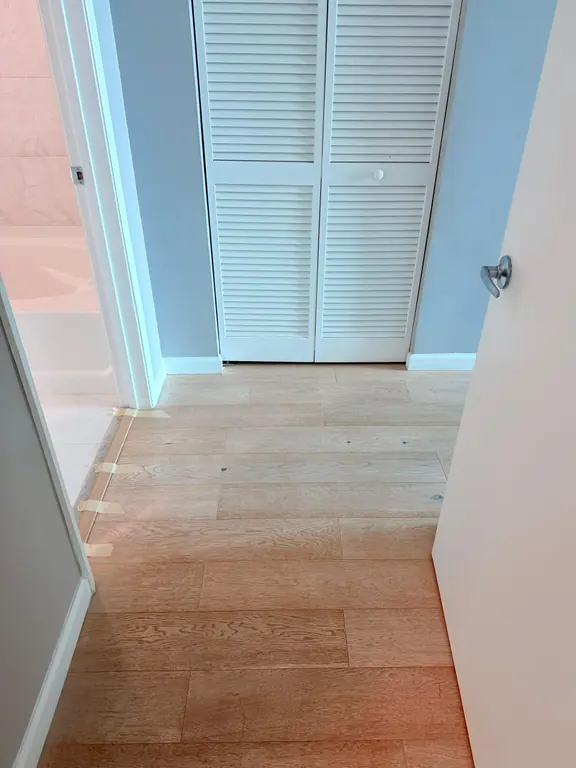
The popular advice is to reach for the strongest cleaner that cuts through grease. For linoleum, that's often the wrong instinct. A powerful alkaline degreaser may remove visible soil quickly while gradually dulling or discoloring the natural surface beneath it. The best cleaner for linoleum floors is usually a mild, pH-neutral formula, applied sparingly with careful moisture control.
Linoleum isn't plastic vinyl, ceramic tile, or sealed concrete. Its natural composition makes chemistry, dilution, dwell time, and drying technique part of the cleaning decision. A damp microfiber mop and a neutral detergent will often outperform a stronger product used with too much water.
| Cleaner type | Best use | Main advantage | Main risk |
|---|---|---|---|
| pH-neutral floor cleaner | Routine cleaning | Lifts soil without aggressive chemistry | Residue if overdosed |
| Diluted mild soap | Light household soil | Accessible and gentle when properly diluted | Streaking or film |
| Targeted spot remover | Scuffs and isolated marks | Limits treatment to the affected area | Incompatibility if not tested |
| Alkaline degreaser or stripper | Specialized restoration work | Breaks down heavy buildup | Can damage linoleum if misused |
| Vinegar-based solution | Common DIY option | Readily available | Acidic chemistry may be unsuitable for routine use |
| Abrasive powder or coarse pad | Not recommended | Removes marks through friction | Can scratch, pit, or wear the surface |
Table of Contents
- Why Linoleum Demands a Different Cleaning Approach
- The Science Behind pH-Neutral Cleaners for Linoleum
- DIY Versus Commercial Linoleum Cleaners
- Solving Common Linoleum Floor Problems
- Building a Sustainable Linoleum Maintenance Routine
- How to Choose the Right Cleaner for Your Situation
Why Linoleum Demands a Different Cleaning Approach
Linoleum has been used for more than 120 years, and its longevity comes with a maintenance requirement that many household cleaning routines overlook. The Association for the Cleaning Industry's linoleum care guidance describes the material as a long-established flooring surface whose natural construction calls for cautious wet maintenance and, in some cases, dry maintenance systems.
Unlike vinyl, linoleum is made from natural ingredients associated with linseed oil, pine rosin, cork dust, and a jute backing. That organic structure gives the floor its distinctive feel and appearance, but it also means harsh chemistry can affect the binder and finish. A high-pH product may clean aggressively at first, yet repeated exposure can dull or discolor the surface and shorten the useful life of the floor.
The mistake is treating visible strength as cleaning quality. A heavy-duty cleaner may dissolve grease, but it can also strip protective material, leave alkaline residue, and encourage faster resoiling. Abrasive powders and coarse brushes create a second problem by wearing the surface mechanically instead of lifting soil safely.
Moisture matters as much as chemistry
Linoleum can tolerate normal cleaning, but standing water is a different situation. Moisture can work into seams, edges, backing, or the adhesive layer, especially when a mop leaves puddles rather than a thin damp film. That's why technical maintenance instructions recommend dry soil removal first, followed by a damp, controlled application of diluted neutral detergent. The linoleum cleaning and maintenance instructions also caution against coarse brushes, high-alkaline stripper solutions, and excessive wetness.
Practical rule: If the floor still looks wet after you've finished a small section, your mop is carrying too much water.
Use a soft-bristled vacuum attachment or untreated microfiber dust mop before introducing liquid. If you also maintain wood flooring, the same principle of controlled moisture applies, although the materials differ. This guide to cleaning hardwood floors can help clarify why “wet” and “clean” aren't interchangeable terms.
The Science Behind pH-Neutral Cleaners for Linoleum
The safest starting point is a cleaner described as neutral pH, with major floor-care guidance commonly identifying a suitable range around pH 6.5 to 7.5. The linoleum cleaner guidance from Home to Sight explains why this range is preferred and warns that high-pH products can affect the linseed-oil binder over time.
pH measures how acidic or alkaline a water-based solution is. A neutral product is less likely to react aggressively with the components and finish of linoleum. That doesn't mean every neutral product is automatically suitable. Fragrance, solvent content, surfactant strength, residue, and manufacturer compatibility still matter.
Why extremes create trouble
Alkaline cleaners are the bigger routine-care concern. Strong alkalinity can attack oily binders and loosen finish components, leaving a surface that looks hazy or feels tacky after drying. The cleaning operation then becomes self-defeating. Residue attracts soil, and the operator responds with more chemical or more scrubbing.
Acidic products create a different risk. Strong acids can affect mineral fillers and sensitive finishes, while repeated acidic mopping may change the appearance even when the floor seems clean immediately afterward. For that reason, undiluted vinegar, acidic descalers, and improvised “natural” formulas shouldn't be treated as universal linoleum solutions.
What to read on the label
Look for a product that clearly states neutral pH, lists linoleum among its compatible surfaces, and gives a manufacturer-approved dilution. A neutral detergent with effective surfactants should suspend soil so the mop can remove it, rather than spreading a film across the floor.
“No-rinse” language can be convenient, but don't assume it means you can pour on more solution. It generally means the product is designed to dry without a separate rinse when used at the stated dilution. Overdosing defeats that design and can leave visible streaks or a sticky feel.
You can check a cleaner with pH test strips, but test the diluted working solution rather than relying only on the concentrate's label. The test won't tell you whether the product contains damaging solvents or whether it leaves residue, so use it as one screening step, not a complete compatibility test. Always try a small hidden area first, especially on older, polished, or previously damaged flooring.
DIY Versus Commercial Linoleum Cleaners
DIY cleaning can work for light soil, but it becomes unreliable when the recipe depends on guesswork. A homemade solution may be mild in one home and too concentrated in another, particularly when people add extra soap because the floor looks dirty. Commercial neutral cleaners are formulated for consistent dilution, soil suspension, and drying behavior.
Vinegar is popular because it's inexpensive and familiar. Its acidity makes it a questionable choice for routine linoleum mopping, particularly when the floor has a worn finish or the solution is made stronger than intended. Baking soda can help with localized soil when used gently, but its abrasive character makes a thick paste or vigorous scrubbing a poor match for a surface that already shows wear.
Diluted castile soap can be workable for light cleaning, provided the solution is very mild and followed by careful residue removal. Soap-based formulas often need more attention to rinsing because their ingredients can leave a film. A commercial pH-neutral cleaner is usually the more dependable option for repeated maintenance, commercial spaces, or floors that already have a dull appearance.
| Criteria | DIY Solutions | Commercial pH-Neutral Cleaners |
|---|---|---|
| Consistency | Depends on measuring and mixing | Formulated for repeatable dilution |
| Routine dust and soil | Can handle light surface soil | Reliable for regular damp mopping |
| Residue control | Soap and powders may leave film | Usually designed for controlled rinsing or no-rinse use |
| Streaking | More likely if soap is overdosed | Often easier to apply evenly |
| Embedded dirt | Requires more manual agitation | Surfactants help suspend loosened soil |
| Spot treatment | Useful when the ingredient is appropriate | Better when the label names linoleum compatibility |
| Storage and preparation | Requires mixing before use | Ready-to-use and concentrate options are available |
| Floor safety | Depends heavily on the recipe | Easier to verify through the label and technical sheet |
Match the method to the mess
For daily dust, don't mix anything. Dry microfiber removes grit without adding moisture. For a small spill, use a barely damp cloth and a diluted neutral cleaner, then dry the area. For broader soil, a commercial formula provides more predictable results because the product chemistry doesn't change from batch to batch.
A practical supply kit should include an untreated microfiber dust mop, a separate damp mop, clean microfiber cloths, a soft brush, a measuring container, and a bucket that can be rinsed thoroughly. A broader essential supplies checklist from GrifGlo can help organize equipment without turning every floor problem into a chemical problem.
DIY solutions still have a place. They're reasonable for light maintenance when the floor manufacturer permits them, the mixture is mild, and you test first. Commercial neutral cleaner wins when you need repeatability, low residue, faster drying, or a documented process for several rooms.
Solving Common Linoleum Floor Problems
Linoleum problems rarely respond well to one aggressive treatment. The right response depends on whether the mark is sitting on the finish, embedded in soil, caused by residue, or related to moisture.
Scuffs, heel marks, and dull patches
Start with a neutral cleaner on a microfiber cloth. Let it sit briefly so the surfactant can loosen the mark, then agitate gently with a soft brush or cloth. Don't reach for a harsh pad just because the mark is black. Abrasive friction can remove the surface sheen along with the mark.
If a manufacturer-approved specialty mark remover is available, test it in an inconspicuous area first. Solvent-based products can behave differently on factory finishes, waxes, and older restored floors, so an untested product can create a larger dull patch.
A clean-looking scuff isn't a successful result if the surrounding finish is visibly thinner afterward.
Sticky residue usually comes from too much cleaner, incomplete rinsing, or repeated use of soap-based products. Re-mop with clean water using a well-wrung microfiber mop, then extract the loosened residue with a dry microfiber cloth. Repeat with small amounts of water rather than flooding the area.
Yellowing, dullness, and finish loss
Yellowing may come from residue, old polish, or chemical exposure, while some color changes are part of aging and may not reverse through ordinary cleaning. Don't assume a stronger product will restore the original appearance. Ammonia, bleach, chlorine, and other harsh chemicals are specifically discouraged in guidance on cleaning linoleum floors from Lowe's.
For widespread dullness, stop adding polish until you know what's on the surface. A trained floor-care technician may need to remove compatible old finish and apply a suitable protective finish, but stripping is not a casual weekly task. The wrong stripper or pad can damage the linoleum rather than prepare it for restoration.
Play the following cleaning demonstration with the same restraint. The technique matters more than force.
Stains and moisture marks
For grease, blot first, then use a diluted neutral cleaner and allow short dwell time before wiping. Ink and pet stains need a compatible targeted product, but the floor should be tested first. Don't combine acidic and alkaline products, and don't layer treatments without removing the previous one.
If a specialized treatment is necessary, follow it with a clean-water wipe and dry the area. For peroxide-based cleaning questions, consult this guide to hydrogen peroxide 3% before applying any product to the floor. Water spots and edge changes call for prevention, not stronger chemistry. Keep liquid away from seams and edges, remove spills promptly, and never leave a saturated mop resting on the floor.
Building a Sustainable Linoleum Maintenance Routine
A durable routine has three layers: remove dry grit before it becomes abrasive, use a small amount of neutral cleaner for soil, and remove moisture before it can migrate into seams or backing. Linoleum maintenance guidance commonly favors vacuuming or dry mopping first, followed by cautious damp mopping. Technical instructions also identify low-speed machine cleaning in the 150 to 250 rpm range when machine work is appropriate, with diluted neutral detergent, as documented in the ISSА floor-care reference.
A workable routine
Use untreated microfiber for dry maintenance. It captures loose grit without pushing a wet film across the surface. For damp cleaning, wring the mop until it's damp rather than wet, work in manageable sections, and change the solution when it becomes visibly dirty.
A two-bucket method helps separate cleaning solution from recovery water. One bucket holds the diluted neutral cleaner, while the other receives the soiled mop before it returns to the cleaning solution. The system doesn't replace proper wringing, but it reduces the amount of soil redistributed across the floor.
| Traffic level | Daily | Weekly | Monthly | Quarterly |
|---|---|---|---|---|
| Residential | Dry mop high-use areas | Damp mop as needed | Inspect finish and spot clean | Review seams, edges, and buildup |
| Light commercial | Dry soil removal | Planned damp cleaning | Detail edges and assess wear | Consider controlled machine maintenance |
| Heavy commercial | Frequent dry soil removal | Scheduled damp cleaning | Professional inspection or low-speed maintenance when suitable | Review finish strategy and repair needs |
The table is a planning framework, not permission to increase chemical concentration. Concentrate should be mixed according to the product label, and a neglected floor should receive more careful soil removal and agitation, not automatically stronger chemistry.
Adjust for the building
Entry mats reduce tracked grit and seasonal residue. In humid conditions, improve ventilation and avoid leaving damp equipment on the floor. After installation, follow the flooring manufacturer's waiting period. Commercial guidance states that linoleum shouldn't be wet-washed, machine-scrubbed, or stripped for at least five days after installation, as noted in the initial maintenance product guidance.
For Miami-Dade homes, condos, offices, and short-term rentals, a low-toxicity routine can be coordinated with broader eco-friendly house cleaning services. The central discipline remains the same. Remove grit dry, apply neutral cleaner sparingly, rinse when residue is present, and leave the floor dry.
How to Choose the Right Cleaner for Your Situation
Start with the floor's condition, not the label's promise of deep cleaning. A newly installed floor needs manufacturer-approved maintenance and careful adherence to installation instructions. A well-maintained floor usually needs only dry soil removal and a compatible neutral cleaner. A neglected floor may need professional assessment before anyone applies a stripper, machine, or concentrated degreaser.
Use the label as a screening tool
Check these details before buying:
- pH information: Prefer a clearly identified neutral formula suitable for linoleum.
- Surface compatibility: The label or technical sheet should name linoleum, not only vinyl or tile.
- Dilution instructions: Measure concentrate precisely. More product doesn't mean better cleaning.
- Rinse requirements: Follow them. No-rinse products still depend on correct dilution.
- Solvents and fragrance: Choose simpler, low-odor options when occupants are sensitive.
- Warnings: Avoid ammonia, bleach, chlorine, abrasive powders, and high-alkaline builders for routine care.
Pet households may need a targeted odor product, but it should be tested for floor compatibility and removed according to its instructions. Kitchens may require grease treatment, yet the cleaner must be rinsed thoroughly and kept away from prolonged contact. Allergy-sensitive spaces benefit from fragrance-free, low-toxicity products, although “natural” alone doesn't prove that a formula is suitable for linoleum.
Concentrates make sense where cleaning is frequent and storage is controlled. Ready-to-use products simplify small jobs and reduce measuring errors. Neither format is safer. The floor responds to the final diluted chemistry, contact time, agitation, and moisture left behind.
For move-in, move-out, or post-construction work, don't mistake fine dust and residue for a need for harsh chemicals. Dry removal, a compatible neutral detergent, and careful microfiber extraction protect the surface while addressing the actual soil.
Canes Cleaners provides residential, commercial, move-in/move-out, short-term rental turnover, and post-construction cleaning across Miami-Dade County, using non-toxic, eco-friendly products and floor-care steps that include vacuuming, sweeping, and mopping. If you need help maintaining linoleum in a home, condo, office, rental, or student apartment, visit Canes Cleaners to review the available service options and book online.