
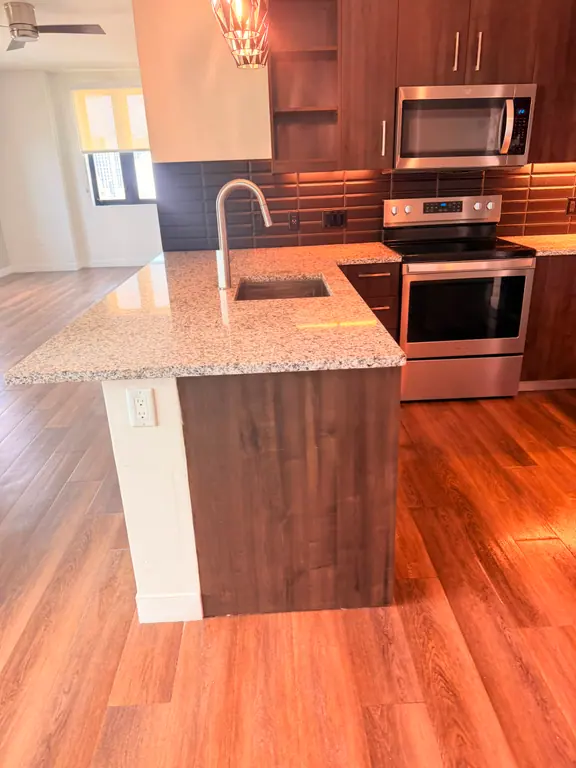
You close the windows because the humidity is climbing, the AC is running nonstop, and the condo starts to feel less fresh by the hour. There's a faint film on the glass from salt air, the bathroom wants to mildew if you skip even a few days, and the last thing you want is to clean that space with a harsh chemical smell that lingers long after the job is done.
That's why eco friendly house cleaning matters so much in Miami-Dade. In a dry climate, you can get away with generic advice. In Miami, you can't. Humidity, coastal residue, pets, kids, short-term rental turnovers, renovation dust, and sealed indoor air all change what works. The right green routine has to clean thoroughly, control moisture-related grime, and still feel safe for the people living in the home.
Table of Contents
- Why Green Cleaning is a Healthier Choice for Your Miami Home
- Building Your Eco-Friendly Cleaning Toolkit
- A Room-by-Room Guide to Eco-Friendly Cleaning
- How to Create a Sustainable Cleaning Schedule
- Eco-Cleaning for Special Miami Scenarios
- Your Green Cleaning Questions Answered
Why Green Cleaning is a Healthier Choice for Your Miami Home
Miami homes stay closed up for AC much of the year. That keeps cool air in, but it also means whatever you spray, scrub, and wipe tends to hang around indoors longer than people expect. If a cleaner has an aggressive fragrance or leaves a heavy residue, you notice it fast.
Eco friendly house cleaning is healthier because it focuses on reducing unnecessary chemical load inside the home while still getting surfaces clean. That matters for families with children crawling on floors, pets licking paws after walking through a freshly mopped kitchen, and anyone who's sensitive to strong scents in bathrooms and laundry rooms.
The shift isn't small or niche. The global natural household cleaners market was valued at USD 6.97 billion in 2024 and is projected to reach USD 13.28 billion by 2030, with growth tied to consumer awareness of the health risks associated with chemical-based products, according to Grand View Research's natural household cleaners market analysis. That tells you something important. Buyers aren't just choosing green products for image. They're choosing them because indoor exposure matters.
Miami homes need cleaner air, not stronger fragrance
In this climate, people often mistake “smells strong” for “is clean.” That's a bad trade. In practice, a home can be sanitized, degreased, and reset without filling the air with a lingering perfume cloud.
For Miami residents, the healthier choice usually comes down to a few priorities:
- Lower indoor residue: Non-toxic formulas are less likely to leave behind the kind of film that makes surfaces feel sticky or overtreated.
- Better for sealed spaces: In AC-heavy homes, reducing harsh fumes makes a noticeable difference in day-to-day comfort.
- Safer contact surfaces: Kitchen counters, bathroom fixtures, floors, and nightstands all get frequent skin contact.
- More realistic for pet and family life: Homes with dogs, cats, kids, and frequent guests need products that clean well without turning the house into a chemical zone.
Practical rule: If a product leaves the room smelling “clean” for hours because of fragrance alone, that's not a performance benefit. It's often just extra material staying in your air.
A healthier home also isn't only about what you spray. It's about the full routine: removing dust before wet cleaning, controlling moisture, and keeping high-touch surfaces from becoming grime traps. That's why improving indoor air quality through cleaning habits matters just as much as the label on the bottle.
Building Your Eco-Friendly Cleaning Toolkit
It's common to overbuy products and underinvest in tools. That's backward. A strong eco friendly house cleaning setup is usually simple: a small set of well-chosen cleaners, a vacuum that captures fine dust, and enough microfiber to avoid cross-contamination.
What to buy first
Start with a four-product foundation: all-purpose cleaner, glass cleaner, bathroom descaler, and floor cleaner. That covers most of the home without creating a cabinet full of overlapping formulas. Add a HEPA vacuum, a flat mop, scrub brushes in a few sizes, cellulose sponges or Swedish dishcloths, and a solid stack of microfiber cloths.
If you buy commercial products, check for EPA Safer Choice or Green Seal certification. Those labels matter because “green” on the front of a bottle doesn't tell you much by itself. Product performance also depends on using it correctly. This review of eco-friendly product performance notes that over-diluting or under-diluting can waste 20 to 30% of the product and leave residues that attract more soil.
That's one of the least glamorous but most important trade-offs in green cleaning. Non-toxic doesn't mean forgiving. If you eyeball the dilution and make it too weak, it won't dwell long enough to work. If you make it too strong, you waste product and may leave a film on tile, stone, or laminate.
A few priorities matter more than brand hype:
- Microfiber quantity: Don't use one cloth all over the house. Keep separate cloths for glass, kitchen work, bathrooms, and dusty surfaces.
- Dedicated bathroom chemistry: Soap scum and hard water need a different approach than everyday counter wiping.
- HEPA filtration: Fine dust in Miami condos, older buildings, and post-renovation units needs to be captured, not redistributed.
- Surface compatibility: Marble, natural stone, stainless, sealed wood, and glossy cabinetry all react differently.
For mineral buildup and bathroom scale, citric acid cleaning methods can be useful when matched to the right surface, especially in homes dealing with stubborn residue around fixtures.
What to make at home
DIY cleaners still have a place, but they work best for light maintenance, not every problem. Vinegar and baking soda are useful. They're not universal. On natural stone, for example, acidic cleaners can create damage. On pet stains, an enzymatic cleaner is often the better call, which I'll cover later.
Here's a simple set of DIY options for routine upkeep.
| Cleaner Type | Ingredients | Instructions |
|---|---|---|
| All-purpose spray | White vinegar, water, optional essential oil | Mix equal parts vinegar and water in a spray bottle. Use on appropriate non-stone surfaces, then wipe with microfiber. |
| Glass cleaner | Water, white vinegar | Combine water and a small amount of vinegar in a spray bottle. Spray lightly onto cloth or glass and buff dry with a lint-free microfiber. |
| Gentle scrub | Baking soda, small amount of water | Mix into a paste and apply to sinks, tubs, or other scrub-safe areas. Rinse thoroughly and dry the surface. |
Use DIY blends for light grime, fingerprints, and maintenance cleaning. For grease, odor, mineral scale, or biological messes, a purpose-built product usually works faster and more cleanly.
The smartest toolkit isn't the most “natural” looking one. It's the one that matches product, tool, and surface without creating damage or extra residue.
A Room-by-Room Guide to Eco-Friendly Cleaning
Good eco friendly house cleaning follows a sequence. Dry soil first. Wet cleaning second. Detail work last. If you reverse that, you smear dust, create muddy residue, and waste time.
A proven approach combines a four-product foundation with 20 to 25 color-coded microfiber cloths, and it starts with HEPA vacuuming before any wet cleaning to avoid turning dust into mud, as described in this green cleaning methods guide.
Kitchen
The kitchen tells you quickly whether your green products work. Grease, food residue, fingerprints, and floor buildup don't respond to weak routines.
Start with dry removal. Vacuum crumbs along kick plates, corners, and under stools. Dust cabinet tops if they're exposed. Then use a plant-based degreaser or a strong all-purpose cleaner on the range hood exterior, backsplash, appliance handles, and around the stove.
For a practical kitchen workflow:
- Vacuum first: Floors, edges, under the table, and any open shelving dust.
- Treat grease zones: Apply cleaner to cloth or sponge rather than overspraying around food prep areas.
- Work top to bottom: Upper cabinets, backsplash, counters, lower cabinets, then appliances.
- Finish the sink last: That way you're not immediately re-soiling it while rinsing cloths or filling the mop.
Salt air can leave a dull film near coastal windows and on nearby horizontal surfaces. In kitchens with ocean exposure, wipe window sills and frames regularly, then dry them fully so moisture doesn't sit in tracks and corners.
For deeper kitchen technique, this practical kitchen cleaning guide is a useful companion.
A quick visual checklist helps when you want a fast reset before guests or after dinner service in a rental unit.
Bathroom
Bathrooms are where Miami's climate shows up hardest. Humidity, warm surfaces, and daily moisture create the perfect setup for soap scum, mildew spotting, and stale air if you let it sit.
This room needs consistency more than harshness. Use the bathroom-specific cleaner or descaler on shower glass, fixtures, tile, and the toilet exterior. Let the product dwell before scrubbing. That pause matters. People often wipe too soon and assume the product failed when the product needed more time to work.
A bathroom routine that holds up:
- Shower walls and doors: Apply descaler, let it sit, scrub corners and tracks, then rinse or wipe thoroughly.
- Toilet and high-touch points: Clean the bowl separately from seat, handle, base, and nearby wall splatter zones.
- Vanity area: Wipe mirrors with glass cleaner and a dedicated cloth. Don't use the same cloth you used on sink grime.
- Floor edges: Humidity-driven dust and hair collect behind the door, around the toilet base, and along the vanity toe kick.
In Miami bathrooms, prevention beats rescue cleaning. If you wait until mildew is visible across grout lines and silicone seams, the job gets slower and less pleasant.
If your bathroom has poor ventilation, finish by drying key surfaces. Towel-dry chrome, shower glass, and corners where water pools. Green cleaning works best when you remove both the soil and the moisture that lets it come back fast.
Living areas and bedrooms
These rooms look easier than they are. The issue isn't usually visible dirt. It's fine dust, fabric fibers, pet hair, and the residue that settles on surfaces when windows open and close through humid weather.
Start high. Ceiling fan blades, shelves, art ledges, headboards, lamps, and blinds all shed dust downward. Vacuum upholstered furniture with a HEPA machine before you wipe tables or mop floors. If you clean surfaces first, you'll just re-dust them.
The best room order is often:
| Area | Best first move | What to watch for |
|---|---|---|
| Bedrooms | Dust high surfaces, then vacuum soft furnishings | Dust on headboards, baseboards, and under beds |
| Living rooms | Vacuum upholstery and rugs before wiping tables | Pet hair, sand, and salt film near balconies |
| Entry areas | Sweep or vacuum first | Grit that scratches floors if mopped too early |
For coastal units, don't ignore balcony thresholds and window channels. Salt and fine grit collect there and get tracked inward. Use a vacuum crevice tool first, then a damp microfiber, then dry the area so the grime doesn't cake into corners.
A lot of people try to make one spray do everything in these spaces. It usually leads to streaky glass, smeared electronics, and over-wet wood. Separate cloths and lighter product use produce a cleaner result than heavy spraying ever will.
How to Create a Sustainable Cleaning Schedule
A good schedule beats a heroic deep clean every time. Most homes fall behind because the work feels too big, not because the tasks are impossible.
Nearly 10% of U.S. households used professional cleaning services in the previous year, and a standard home clean averages about 4 hours, according to these cleaning industry usage statistics. The most practical lesson from that number isn't that you need four uninterrupted hours. It's that you can divide that workload into smaller blocks and keep the house stable instead of waiting for a full reset day.
Daily resets that stop buildup
The daily plan in Miami should focus on moisture and mess points.
- Kitchen counters and sink: Wipe after meals so food residue doesn't harden.
- Shower surfaces: Squeegee or towel-dry walls and glass after use.
- Floors in high-traffic zones: Spot sweep grit near entries, balconies, and pet bowls.
- Trash check: Remove wet or food-heavy trash before odors settle in.
These are short tasks. They keep humidity from turning ordinary mess into a bigger cleaning problem.
Weekly and monthly rhythms
Weekly work should handle the soil you can't manage with quick resets. Vacuum rugs, upholstered furniture, and bedrooms. Mop hard floors with the correct floor cleaner. Clean bathrooms fully. Dust top-to-bottom. Rotate to one or two deeper jobs each week, such as wiping baseboards in the main hallway or cleaning the microwave and fridge shelves.
Monthly or seasonal cleaning should cover the details that affect how the home feels:
- Wash interior windows and tracks in rooms exposed to salt air.
- Deep clean appliances so grease and odor don't keep circulating.
- Check under furniture for dust pockets and pet hair.
- Wipe vents, returns, and doors where fine grime gathers.
A schedule only works if it fits your real life. A Downtown condo with one adult needs a different rhythm than a family home in Coral Gables or a short-term rental near the beach.
If you're busy, assign rooms to specific days. If your home is smaller, use three short sessions a week. The key is repeatability, not perfection.
Eco-Cleaning for Special Miami Scenarios
The hardest cleaning jobs in Miami usually aren't standard weekly tasks. They're turnovers, moves, and renovation aftermath. Each one needs a different protocol, and in these specific scenarios, eco cleaning often fails when people rely on vague “natural” advice.
Short-term rental turnovers
A Miami Airbnb has to feel fresh fast. Guests notice bathroom smell, kitchen grease, hair in corners, and residue on glass more than they notice decorative styling. For eco friendly house cleaning in rentals, skip anything that leaves a heavy scent trail. Cleanliness should read as crisp linens, dry fixtures, polished mirrors, and neutral air.
Turnovers work best when cleaners focus on:
- Bathroom reset first: Toilets, shower glass, vanity, chrome, floor edges.
- Kitchen fingerprints and grease: Appliance fronts, handles, backsplash, trash area.
- Soft-surface dust control: Upholstery vacuuming, especially in units with high guest traffic.
- Final air-out period: Let the unit breathe so it smells clean, not perfumed.
For hosts, the trade-off is simple. Over-fragranced products can cause complaints. Under-cleaned wet areas cause even worse ones.
Move-in and move-out cleaning
Rental transitions in Miami often involve layered residue rather than obvious dirt. Cabinet interiors may be dusty, closets stale, bathroom grout dull, and kitchen drawers gritty. The goal isn't decorative staging. It's resetting the property so the next occupant starts from a clean baseline.
A proper move clean should include inside edges, tracks, switches, handles, baseboards, and hidden dust zones. This is also when product choice matters on stone counters, glossy cabinets, and luxury vinyl floors. A rushed “all-purpose everything” job leaves damage risk and uneven results.
A simple move-in or move-out sequence looks like this:
| Phase | Priority | Eco-friendly approach |
|---|---|---|
| Dry removal | Dust, hair, debris | HEPA vacuuming, dry microfiber, crevice tools |
| Wet cleaning | Kitchens and baths | Surface-specific cleaners with proper dwell time |
| Detail pass | Fixtures, frames, switches | Fresh cloths, minimal overspray, thorough drying |
Post-renovation cleanup
This is the one people underestimate. Fine construction dust behaves differently from everyday household dust. If you spray recklessly, you can aerosolize it and make the air worse. If you mop too soon, you create paste.
This sustainable cleaning article on tough cleaning challenges highlights the importance of the right protocol for post-construction dust and hard water stains, notes that enzymatic cleaners are outperforming vinegar for pet stains, and stresses that biodegradability is a better measure of eco-friendliness than a simple “natural” label.
That lines up with what works in the field:
- Dust first, always: HEPA vacuum all horizontal surfaces, trim, sills, and upholstery before any damp wiping.
- Apply product to the cloth: Don't fog the room with spray.
- Use repeated light passes: One aggressive wipe just pushes dust around.
- Choose enzymes for organic odor problems: Pet urine and similar messes respond better than they do to vinegar-only routines.
Post-renovation cleaning isn't a place for homemade shortcuts. Fine dust, adhesive residue, and sensitive new finishes need control, not improvisation.
Your Green Cleaning Questions Answered
Eco cleaning gets oversimplified. People hear “natural” and assume every product is gentle, safe, and effective in every situation. That's not how it works.
Are green cleaning services always safer than DIY
Not automatically. Some commercial “green” products still contain synthetic fragrances or low-VOC solvents, and many homeowners don't realize that. A key consumer knowledge gap is that 68% of people believe “natural” means “completely safe”, while many products marketed as green still need closer scrutiny, according to this analysis of green cleaning claims and indoor air concerns.
The safer option depends on the actual formula, the way it's diluted, and how it's used. A careful DIY routine can be excellent. A careless “green service” can still overload indoor air with fragrance.
Can eco-friendly products handle Miami problems
Yes, but only when the product matches the problem. Eco products can manage soap scum, kitchen grease, dust, salt residue, and pet odors. What doesn't work is using one weak homemade mixture for every mess in the house.
For Miami-specific issues, think in categories:
- Humidity and mildew pressure: Frequent drying and bathroom maintenance matter as much as the product.
- Salt air film: Repeated light cleaning works better than occasional aggressive scrubbing.
- Pet accidents: Use enzymatic cleaners rather than defaulting to vinegar for odor-heavy spots.
- Hard water and scale: Use a dedicated descaler appropriate for the surface.
What certifications actually matter
The two labels worth understanding are EPA Safer Choice and Green Seal. They help you separate verified products from pure marketing language. They don't mean you can ignore directions, and they don't mean every certified product is ideal for every surface. They do give you a more reliable starting point than front-label terms like “natural,” “botanical,” or “green.”
A final rule helps cut through most confusion: choose products that are transparent about ingredients, appropriate for the surface, and low in unnecessary fragrance. Then pair them with the right tools and a repeatable cleaning method. That's what makes eco friendly house cleaning effective in real Miami homes.
If you want help putting this into practice, Canes Cleaners provides non-toxic residential and commercial cleaning across Miami-Dade, including routine home cleaning, move-in and move-out service, post-construction cleanup, short-term rental turnovers, and boat cleaning. If your home, condo, rental, or office needs a safer reset without the heavy chemical feel, they make it easy to book the scope that fits your space.