
The most popular advice about moving out is also the most misleading. Book a cleaner, work through a checklist, and you'll get your deposit back. That sequence skips the part that decides the day, which is timing. Same day move out cleaning is a compressed handoff between movers leaving and keys, inspection, or a new occupant arriving. Done well, it's disciplined triage in an empty home. Done late, overpromised, or before you know your landlord's standard, speed alone won't restore damage and won't guarantee a refund.
Table of Contents
- Same-Day Move-Out Cleaning Cost and Time
- How to Run the Same-Day Handoff
- Pre-Clean Tasks Before the Crew Arrives
- Scope Checklist Pros Can Finish in One Visit
- Tips for a Rent-Ready Turnover
- Book the Clean Before You Return the Keys
Same-Day Move-Out Cleaning Cost and Time
There's no single national price you can trust for your quote. Published ranges overlap, but they don't agree, because size, soil, and what's included inside appliances and cabinets change the job fast. Use the table to place your home in a band, then match that band to your actual deadline.
Published move-out cleaning price ranges
| Source | Year | Reported total | Per square foot |
|---|---|---|---|
| This Old House | 2024 | $200–$400 average | $0.20–$0.45 |
| HomeGuide | 2024 | $150–$500 average | $0.15–$0.25 |
| Bark | 2025 | $200–$300 average; $100–$650 overall | Set by size and condition |
For context, This Old House reported a 2024 homeowner average of $200–$400, or approximately $0.20–$0.45 per square foot. HomeGuide reported a 2024 average of $150–$500 total, or $0.15–$0.25 per square foot. More recently, Bark reported a 2025 average price of $200–$300, with an overall range of $100–$650 depending on property size and condition.
Where Your Home Lands in the Range
A lightly soiled, empty one-bedroom with one bathroom, clean appliance interiors, and floors that mainly need vacuuming and mopping usually sits toward the lower middle of these bands. Nothing is baked on, nothing needs repeated degreasing, and the crew isn't working around boxes. A larger home, or one occupied for years with greasy range surfaces, soap scum, hair in drains and corners, and dusty blinds, moves toward the top. Soil is labor. Each extra pass with a degreaser, scraper, or scrub pad is time you pay for.
Those published sources don't give you labor hours, so plan by crew capacity, not by a hopeful guess. A vacant studio or one-bedroom often fits a morning block. A three-bedroom with oven and fridge interiors, inside cabinets, and two full bathrooms can take most of a workday for a small crew. Say movers finish at noon and keys are due at 5 p.m. That window can work for a small, tidy unit. It often fails for a big, greasy one because you've lost half the day before cleaning starts.
Practical rule: Judge a same-day quote against three things only, vacant square footage, visible soil, and the exact key or inspection hour. If one of those is vague, the price and finish time are vague too.
Extras That Move Both Price and Clock
- Interior appliances: Oven racks, drip pans, fridge shelves, and freezer residue need soaking and scrubbing, not a quick wipe.
- Inside cabinets and drawers: Empty kitchens and baths have many surfaces, and crumbs and dust collect on every shelf.
- Blinds and inside windows: Slat by slat work is slow, especially with cooking film or dust buildup.
- Wall marks and heavy debris: Spot cleaning walls takes judgment to avoid paint damage, and hauling leftover items isn't standard cleaning labor.
Ask whether those items are included before you compare two quotes. A lower total that excludes the oven interior isn't cheaper if your landlord inspects the oven first. Send photos of the kitchen, bathrooms, and any heavy soil when you book. You'll get a more honest band and a start time that can still beat the key deadline.
How to Run the Same-Day Handoff
Run the day as a handoff, not as a promise to make every surface new again. The useful frame is triage between vacancy and the next fixed event, an inspection, lock change, or new occupant. Guidance on coordinating move-outs puts cleaning in sequence, generally before painting and repairs, followed by final condition photographs, according to the ManageCasa guide to coordinating tenant move-ins and move-outs. That order matters because painters and repair techs create new dust and debris after cleaners leave.
Here's the timeline for that handoff.
The Day in Clock Order
- Confirm the unit is empty: Movers are gone, and belongings and trash are out before the crew starts. Cleaning around furniture leaves the floors and closets inspectors check most.
- Book with the facts that set scope: Share the address, bed and bath count, access method, and rooms that must be finished. Don't leave the crew guessing about a garage, balcony, or second fridge.
- Send the standard and deadline: Forward your landlord's written move-out standard plus the inspection or key-return time. A crew can't prioritize against a deadline it doesn't know.
- Photograph existing condition on arrival: Capture stains, damaged caulk, wall marks, hard-water scale, and worn appliances before anyone scrubs. Those photos separate cleaning results from pre-existing damage later.
- Work in a fixed order: After debris is out, dust high surfaces, clean the kitchen and bathrooms, and finish with floors. Floors done early just collect dust and footprints again.
- Walk the checklist before locks change: Check each room against the agreed list while there's still time for a touch-up. Landlords and managers can use a move-in and move-out checklist for landlords to keep that walk consistent from unit to unit.
For a Miami-Dade booking with us, that sequence is simple. You share the space and select the right service, confirm online by reviewing pricing and choosing an available appointment, then we arrange access and return the space cleaned. The important part isn't the booking screen. It's that access, scope, and deadline are settled before the crew is standing at the door.
When Hours Run Short
If time, labor, or budget can't cover everything, protect the minimum viable handover and say plainly what you're dropping.
- First: All trash and belongings gone, with nothing left in closets, cabinets, or the fridge.
- Second: Kitchen and bathrooms cleaned, including visible grease, soil, hair, and odor sources.
- Third: Edges and floors vacuumed, hard floors mopped, and high-touch points wiped.
- Only if time remains: Inside windows, extra appliance detail, blinds, and wall spot work.
A same-day crew can remove soil in one visit. It can't paint, repair caulk, remediate mold, treat pests, clear construction dust, or dissolve old adhesive as part of a standard clean.
Name those separate jobs at booking instead of hiding them in the scope. A cracked tile, torn screen, or stained carpet pad needs a different trade and a different decision by the owner. You'll hand over a cleaner, better documented unit if the crew spends its hours on soil and records damage accurately, rather than spreading thin effort across repairs it can't finish.
Pre-Clean Tasks Before the Crew Arrives
Who holds the keys decides who does the prep. Tenants control belongings and documentation. Landlords and managers control utilities, access, and the standard. Mixing those responsibilities is where same-day appointments lose their first hour.
This is the moment to clear closets and cabinets fully, not partly.
Tasks for Tenants
- Ask for the standard in writing: Get your landlord's move-out expectations before you book, including whether professional cleaning or a receipt is required by the lease.
- Empty everything: Clear closets, cabinets, drawers, pantry, and storage areas. Remove trash, hooks, adhesive strips, and personal items from walls and shelves.
- Handle the fridge if required: Empty it and defrost it ahead of the visit when your lease expects that, so the crew can clean rather than wait on meltwater.
- Leave utilities on: Power and water need to stay active through cleaning and your final walk.
Photograph each room before cleaners arrive, including inside the oven, fridge, cabinets, and closets. Keep the invoice and completed checklist, then photograph the finished unit in the same spots. A general guide to how to prepare your home for house cleaning helps with access and clearing surfaces, but a move-out adds this documentation layer because money and condition are both in dispute.
Choose Your Timing Before You Choose Speed
Don't assume same-day is always the best timing for a deposit. Pick one of three sequences based on your lease and inspection schedule.
- Clean before a scheduled inspection: Works when the lease or local process gives you a chance to correct listed issues after that inspection.
- Clean after the landlord lists defects: Works when the landlord will inspect first and put cleaning problems in writing.
- Clean immediately before key handover: Fits when your only real window runs from vacancy to lock change.
California shows why jurisdiction matters, and it isn't a Miami rule. There, tenants may request a preliminary inspection during the two weeks before departure, receive written notice of issues, and get an opportunity to correct cleaning problems, and San Francisco also requires notice of the inspection right plus before-and-after photographs when deductions are claimed, as described in the California Department of Real Estate landlord and tenant guide. For Miami-Dade readers, the lesson is narrower. Deadlines and inspection rights vary, so your lease and local rules control, and cleaning can't erase damage, normal wear disputes, missing items, or poor documentation.
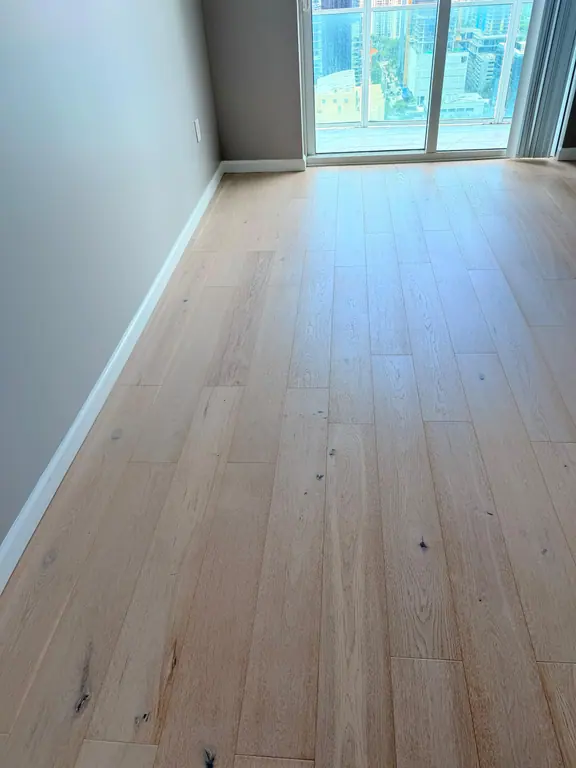
Watch how an empty unit should look before a crew starts, then apply that standard room by room.
Tasks for Landlords and Managers
Leave power and water on through the appointment. Provide gate, elevator, and unit codes, parking instructions, and a reachable contact for access problems. Say in advance whether carpet extraction is required, because shampooing or hot water extraction sits outside a standard wipe, vacuum, and mop scope. If you want faucet aerators checked, bulbs replaced, or filters changed, list those items separately so the crew brings the right supplies and doesn't improvise maintenance work.
Scope Checklist Pros Can Finish in One Visit
A one-visit clean succeeds when the crew follows a controlled sequence instead of improvising room by room. First, the home is empty of belongings and visible debris. Then technicians dry-dust high surfaces, work from high to low and from cleaner areas to dirtier ones, and finish with floors. The CDC environmental cleaning procedures recommend a systematic sequence, mechanical action during cleaning, and thorough wetting during disinfection. In plain terms, scrubbing motion and order matter as much as the product in the bottle.
This checklist visual sums up that top-down flow.
A two-person split makes a short window workable. One technician takes the kitchen and bathrooms, where grease and moisture concentrate. The other handles bedrooms and common areas, dusting, closets, and floors. Both meet for a final pass over appliances, cabinet interiors, baseboards, doors, switches, and floor edges. That last pass catches the crumbs under cabinet toe-kicks and fingerprints around handles that a first sweep misses.
Room by Room, What Pros Can Finish
In the kitchen, a realistic one-visit scope covers degreased counters and backsplash, sink and faucet, stove exterior and the agreed interior, microwave inside and out, fridge exterior and the agreed interior, and empty cabinets and drawers wiped out. Baked-on oven carbon may need a fume-free oven cleaner, a plastic scraper, and repeat applications. If the crew finds a self-cleaning oven that hasn't been run, tell them before arrival, because that cycle takes hours you may not have.
In bathrooms, expect toilet inside and out including the base, tub or shower walls and floor, glass, vanity and sink, mirrors, fixtures, and the inside of empty vanity storage. Soap scum usually needs an alkaline bathroom cleaner and a non-scratch pad, worked with real pressure. Pink or black growth deep in silicone is different. Surface cleaning can lighten it, but stained, failed caulk is a replacement job.
- Bedrooms and living areas: Empty closets wiped, shelves and rods dusted, baseboards and doors wiped, floors vacuumed including edges, and hard floors mopped.
- Details if booked: Inside windows, tracks and sills, and blinds cleaned slat by slat.
- High-touch points: Handles, knobs, and switches wiped throughout, since those show grime fast in an otherwise empty room.
Published checklists are useful before you pay anything. Ours show the scope of upkeep, deep cleaning, and empty-home detail before the appointment, so you can see whether you're booking maintenance cleaning for a lived-in home or detail work for an empty one. That distinction prevents the most common mismatch, ordering a light tidy for a unit that needs cabinet interiors and appliance work.
The Mistake That Undoes Good Work
Don't treat a visibly dirty surface as disinfected. Soil has to come off first.
Grease, dust, and bathroom film block disinfectant from reaching the surface. Crews should clean dirty surfaces with soap or detergent before disinfection when the disinfectant itself doesn't contain a cleaning agent. You'll see the difference on a stovetop. Spraying disinfectant over cooked-on splatter leaves a shiny, still-gritty film. Degreasing first, rinsing, then disinfecting leaves a surface an inspector can run a hand across.
What Stays Out of a Standard Same-Day Scope
Mold remediation, pest contamination, construction dust, adhesive removal, broken caulk, painting, and repairs don't belong in a standard visit. In Miami-Dade rentals, technicians should record pre-existing stains, hard-water scale, damaged caulk, wall marks, and worn appliances rather than promising those conditions will vanish. Say a shower door has etched mineral deposits from years of hard water. A crew can clean and descale the surface, but etching in glass won't polish back to new in an afternoon. Documenting that protects the tenant from a cleaning failure label and tells the owner a replacement decision is separate.
Tips for a Rent-Ready Turnover
Skipping contact time can cancel disinfection. Spraying and immediately wiping looks efficient on a tight schedule, but it often just moves product around before it can work. The CDC guidance on cleaning and disinfecting your home defines contact time as the period required for the disinfectant to remain on the surface to kill germs. After detergent cleaning, an EPA-registered product suited to that surface needs to stay visibly wet for the time on its label.
Build the workflow around that waiting period. Start bathrooms, kitchens, handles, switches, faucets, toilets, and counters early so dwell time runs while someone vacuums bedrooms or wipes closet shelves. Set a phone timer for the label time. If a counter starts drying in air conditioning, re-wet it. Wipe only after the time is up, then check at an angle for streaks and residue under daylight from a window.
Field Pitfalls That Cost You the Result
- Mixing chemicals: Never combine bleach with ammonia or acids. Use one product as directed, with ventilation and gloves where the label requires them.
- One cloth across rooms: A cloth that wiped a toilet base shouldn't touch a kitchen counter. Color-coded microfiber, changed between zones, prevents cross-contamination.
- Spraying everything: Electronics, unfinished wood, and porous stone can be damaged by the wrong product. Apply cleaner to the cloth for sensitive items.
- Confusing sanitizing with disinfecting: Those are different label claims. Read which one your product actually makes before you promise a landlord either result.
Don't invent a percentage germ reduction to judge the visit. Results change with product, organism, soil load, surface, concentration, and contact time. The defensible benchmark is documented process compliance, the right product, mixed correctly, kept wet for the full label time, on a surface that was cleaned first.
Odor, Scale, and Dust Need Different Fixes
Odor work means removing the source, not masking it with fragrance. Bag all trash, clear fridge residue and the drip areas under shelves, scrub sink drains, and clean the garbage disposal splash guard where sludge collects. A unit that smells neutral because it's clean reads better at inspection than one that smells strongly of air freshener, which makes many landlords wonder what you're covering.
Miami-Dade hard water often leaves mineral scale on faucets, shower glass, and toilet bowls. Descaling improves appearance, but long-standing deposits can etch or stain surfaces so they won't look new. Photograph that condition instead of scrubbing until you damage chrome or glass. Construction dust is also a different service. Our post-construction clean should be scheduled after active construction work is complete and the space is ready for final cleaning, since ongoing sanding or cutting will recoat every surface within hours.
Once a unit is rent-ready, presentation carries into how it's marketed. Property teams thinking beyond the walkthrough can use resources on SEO for rental property listings to make cleaned, well-photographed homes easier for the next renter to find. That step comes after the physical work, not instead of it.
Book the earliest slot that still follows the movers, keep a buffer before inspection, and judge success by an empty, soil-free kitchen and bathroom plus a completed checklist, not by a freshly painted look.
Book the Clean Before You Return the Keys
If movers leave in the morning and an inspection or new occupant follows that day, don't wait for a routine tidy and hope it stretches. Book an empty-unit move clean early enough to finish, photograph it, and fix small misses before the walkthrough. That advice applies whether you're a Miami-Dade renter protecting your record, a landlord turning a unit, a property manager juggling several doors, a short-term host between guests, or a University of Miami student clearing a shared apartment.
Before you sign anything with a provider, understand how cleaning agreements define duties and limits. A useful reference can help you define the scope of move-out cleaning in writing, so inclusions like appliance interiors and exclusions like repairs aren't left to verbal memory. Bring that same clarity to your booking notes. Square footage, soil photos, access, and the key deadline belong in the order itself.
What to Choose and Send
Our 48-Point Moving Clean is priced with an instant online quote and includes inside appliances, cabinets, closets, windows, and blinds, plus the detail work used when keys change hands. It comes with a 24-hour re-clean promise, which gives you a defined window to flag a missed item from the agreed checklist. When speed inside a single day is the constraint, our on-demand cleaning service explains how rapid scheduling works, but the move scope still has to match the empty unit in front of the crew.
A customer said the cleaners went top to bottom within hours and the house felt brand new. Treat that as a picture of a successful handoff, an empty home finished inside one visit, not as a guarantee about any deposit. Your landlord's standard, the unit's prior condition, and your documentation still decide that outcome.
To act on this, choose the move scope, confirm the quote and an open time, and send access notes with the key deadline. Keep the checklist, invoice, and before-and-after photos together for the walkthrough. We serve Miami, Miami Beach, Coral Gables, Doral, Aventura, and other Miami-Dade communities, using non-toxic products and hotel-trained crews. Book while the movers are still scheduled, not after they're gone, and you'll keep the buffer that makes same-day service work.
Book your same-day move-out with Canes Cleaners and get an empty-unit clean built around your key or inspection deadline, with appliance, cabinet, closet, window, and blind detail handled in one visit. Choose your time online, send access notes and photos of the soil, and keep the completed checklist for your walkthrough. Start now at Canes Cleaners so the crew arrives right after the movers, with enough buffer to finish properly.