
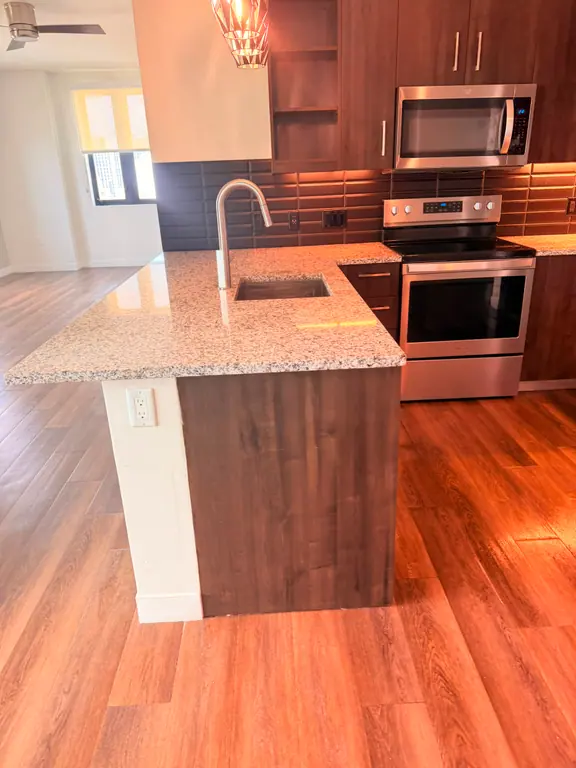
Your guests arrive later today, the kitchen still needs attention, and you're trying to arrange cleaning between work calls. Or perhaps the movers have left and you've discovered dust behind every piece of furniture. An on demand cleaning service can help, but finding an available cleaner is only part of the job. You also need the right scope, a realistic work window, and a way to confirm the property is ready.
Table of Contents
- What an On Demand Cleaning Service Is
- On Demand Versus Recurring Cleaning Side by Side
- Situations That Call for a Rush or Event Clean
- Matching the Clean Tier to the Job
- How to Book and Price an On Demand Clean
- Verifying Readiness Before You Accept a Clean
- Deciding Whether to Book On Demand Today
What an On Demand Cleaning Service Is
Say your rental guests check out on Tuesday and another booking arrives that evening. You don't need a standing housekeeping appointment. You need a specific visit that fits between departures and arrivals.
On-demand cleaning means booking a visit when the need appears, rather than committing to an ongoing schedule. Think of ride-hailing versus owning a car: you arrange the trip you need instead of maintaining something continuously.
The model generally has these defining features:
- No ongoing commitment to start. You book an individual appointment, subject to the provider's terms.
- Near-term availability. Booking windows may be measured in hours or days, but an open appointment isn't guaranteed.
- A scope selected for the visit. You choose rooms, cleaning depth, and any additional tasks.
On demand describes how you buy cleaning, not a separate industry. The same company or crew may handle both individual bookings and recurring appointments.
For context, Grand View Research estimated the global cleaning-services market at approximately USD 442.1 billion in 2025, with a projection of USD 770.8 billion by 2033. That broad estimate includes residential, commercial, institutional, and government work, not just app-based or on-demand providers.
On Demand Versus Recurring Cleaning Side by Side
| Factor | On demand | Recurring |
|---|---|---|
| Commitment | No ongoing commitment; book one visit | Ongoing schedule with notice needed to change |
| Booking lead time | Hours to days, subject to availability | Set once; slots held in advance |
| Scope per visit | Chosen fresh each time | Usually the same checklist, adjusted over time |
| Cleaner continuity | A different cleaner may attend each visit | Same cleaner or small team when available |
| Price per visit | Often higher without a recurring discount | Often lower when a recurring discount applies |
| Cost in quiet months | No visit charge when nothing is booked | Billed on schedule unless the plan allows a pause |
| Best fit | Irregular, urgent, or event-driven cleaning | Regular upkeep on a predictable cycle |
The comparison below illustrates the models. Treat the written quote and service terms, rather than illustrative prices or booking windows, as the agreement for your property.
What flexibility costs you
On-demand cleaning gives you control over when you spend. However, each new appointment may require another round of instructions about delicate surfaces, entry procedures, and priorities.
- The advantage is flexibility. Book around a celebration, inspection, unexpected visitor, or unusually messy week.
- The compromise is availability. A provider may not have the crew or equipment needed for your preferred deadline.
- Continuity takes effort. Keep written property notes so a replacement cleaner doesn't have to rediscover everything.
- Compare equivalent scopes. A lower recurring quote may cover maintenance rather than the accumulated buildup included in a standalone reset.
Recurring appointments work differently. A familiar cleaner can learn which cabinet fronts collect fingerprints, where pet hair gathers, and which flooring needs special care.
That familiarity doesn't remove the need to review the work. A checklist that suited an empty guest room may need updating when it becomes a home office.
What predictability asks of you
- The advantage is a reserved routine. You don't have to begin a fresh search whenever the home needs attention.
- The compromise is calendar management. Travel, cancellations, and pauses must follow the agreement.
- Scope needs occasional review. Tell the provider when household use, pets, or room priorities change.
- Discounts need context. Ask whether a reduced visit price requires a minimum commitment or particular frequency.
Practical rule: Choose on demand when the need is irregular. Choose recurring when the work repeats predictably.
Some households combine the models. They use scheduled maintenance for ordinary upkeep and book separate work for a move, renovation, or major event.
Situations That Call for a Rush or Event Clean
Say a Miami Beach host has departing guests in the morning and new arrivals that afternoon. The challenge isn't just cleaning quickly. Someone must coordinate entry, laundry, supplies, and the final inspection.
A family preparing for a weekend celebration has a different priority. The guest bathroom, kitchen, and entertaining areas matter more than an unused bedroom.
A Coral Gables renter handing back keys needs another kind of result. Empty cabinets, appliance interiors, and overlooked corners may matter more than decorative presentation.
Match the booking to the deadline
Give the cleaner a clear outcome instead of requesting a generic rush job.
- Before visitors or inspectors. Identify the hard arrival deadline and the room that matters most. Mention whether you'll still be working or hosting people while cleaning happens.
- Before a party, showing, or photo shoot. Specify which spaces will be seen and when furniture or decorations will be installed.
- After an event. Describe food waste, spills, dishwashing, and rubbish removal. Don't assume these are included in routine cleaning.
- Between occupants. Confirm when the property will be empty and whether cabinets and appliances need interior cleaning.
- After renovation. Send photos of dust and remaining debris, and confirm that contractors have finished their work.
- For University of Miami student housing. Share move-in or move-out restrictions, shared-space responsibilities, and building access instructions.
- Before or after a boat trip. Identify the vessel, docking access, available utilities, and the areas included.
- For an office or retail reset. State opening time, alarm procedures, and which workstations or customer areas must remain undisturbed.
Allow room for the handoff
The completion deadline should leave room for inspection and correction. A cleaner finishing as guests reach the door gives you no practical opportunity to resolve a missing towel or an overlooked bathroom.
Hosts also need to separate cleaning time from laundry time. If replacement linen isn't available, the crew may be waiting on a wash cycle instead of making beds.
Request service as soon as the deadline becomes clear, especially around holidays and move-out periods. If the full job won't fit, agree on a narrower scope or a different handoff time rather than expecting a crew to compress every task.
Matching the Clean Tier to the Job
| Service | Best for | What it covers | Typical trigger |
|---|---|---|---|
| Express tidying | Quick visible reset | Clutter, visible surfaces, and quick hygiene touchpoints | Already-maintained home, short notice |
| Standard Clean | Routine upkeep | Kitchens, bathrooms, bedrooms, living rooms, dining areas, and laundry rooms | Regular upkeep or an appropriate first visit |
| 36-point Deep Clean | Neglected or high-touch detail | High-touch surfaces, fixtures, and interiors on the package checklist | Seasonal reset or a long gap between cleans |
| 48-point Move-In/Move-Out Clean | Turnover between occupants | Full interior reset according to the moving checklist | Lease ending or starting |
| Post-construction clean | After renovation | Dust, residues, agreed job-site debris, thorough vacuuming, and mopping | Work finished, before occupancy |
| Short-term rental turnover | Guest changeover | Presentation and readiness between stays | Departure followed by another arrival |
| Office and commercial clean | Workplaces, retail, and suites | Agreed commercial cleaning tasks | After an event or on a regular schedule |
| Boat cleaning | Coastal boat owners | Vessel-specific scope agreed at booking | Before or after a trip |
Choose by condition, not property label
An apartment isn't automatically a light job, and a large house doesn't automatically need deep cleaning. Buildup, occupancy, and the required handoff determine the work.
Express tidying suits an already-maintained space that needs visible order. Standard cleaning addresses ordinary household use. Neither should be treated as a shortcut for removing established grease, soap buildup, or renovation dust.
Use the deep cleaning versus regular cleaning guide to distinguish maintenance from detailed work. For a moving clean, check the actual interior tasks rather than assuming that every cupboard, appliance, or fixture is included.
A package's point count describes a checklist, not a universal quality standard. Ask to see what each item means and which tasks are excluded.
Make digital selection specific
In Market Intelo's analysis of online on-demand home services, 73% of surveyed platform users cited time savings, while 54% cited professional quality assurance. Saving time shouldn't mean selecting a service without checking its scope.
You can prioritize rooms individually. For example, request detailed kitchen and bathroom work while leaving an unused bedroom outside the booking.
Send current photos when condition is hard to describe. Include elevator reservations, parking restrictions, and building rules, because the crew's usable cleaning window begins only after it can reach the property and bring in equipment.
How to Book and Price an On Demand Clean
Booking is the easy part. Most disappointments begin with an incomplete description of the property. A tidy listing photograph won't tell the cleaner about pet hair under furniture or grease around the stove.
This visual outlines the booking process. Any displayed price ranges are illustrative, not a confirmed quote for your home.
Build a complete booking
- Pick the appropriate tier. Choose the work needed, not merely the cheapest option that fits the calendar.
- Describe the property accurately. Enter its type, size, and room count. Mention pets, heavy buildup, clutter, and any construction residue.
- Give the work window and entry instructions. Explain the lockbox, smart lock, gate, elevator, parking, and building restrictions through the provider's approved channel.
- Review the room-by-room checklist. Confirm inclusions, exclusions, and additional rooms. Ask about appliance interiors, dishes, laundry, and rubbish if they matter.
- Review the total and pay through secure checkout. Confirm how approved additions, cancellations, and condition changes are handled before authorizing payment.
- Read the confirmation. Distinguish an arrival window from a completion promise. Check preparation instructions and the contact method for delays.
- Use the satisfaction follow-up. Report missed work promptly with a location and clear photo so the provider can assess the issue.
If someone else will admit the crew, give that person the same scope and deadline. Conflicting instructions at the door can turn a straightforward visit into an avoidable negotiation.
Understand what changes the quote
- Service depth. Detailed buildup removal involves different work from visible tidying.
- Property size and room count. Additional bathrooms, floor area, and fixtures expand the task list.
- Actual condition. Heavy grease, pet hair, and accumulated dirt require additional labor.
- Urgency. Ask whether a short-notice appointment carries an additional charge.
- Access complications. Disclose loading restrictions, difficult parking, and equipment-carrying requirements.
- Extras. Confirm separate charges for tasks outside the selected checklist.
The house-cleaning pricing guide can help you compare scope and cost without treating a starting price as a final bill.
Ask what happens if the crew finds substantially more work than described. Additional work should require an agreed change, not an unexplained charge.
For a visual introduction to the service-booking experience, use the video below.
Before paying, make sure the checklist explains what the price buys. A useful quote connects a defined property, condition, scope, and appointment window, rather than offering a price detached from the work.
Verifying Readiness Before You Accept a Clean
A finished clean should be demonstrable, not just announced. That doesn't mean every surface needs laboratory testing. It means the crew can show which tasks were completed, how products were used, and what remains unresolved.
| Readiness check | What to verify | Evidence to keep |
|---|---|---|
| Room-by-room checklist | Every room in the booked scope is covered | Signed checklist |
| High-touch surfaces | Handles, switches, faucets, and remotes cleaned; where disinfection is specified, label contact time completed | Room timestamp and disinfection timing record |
| Product use | Products suit the surface, correct dilution is used, and products aren't mixed | Product and dilution log |
| Ventilation | Exhaust fans used appropriately; outdoor air increased when weather and air quality permit | Ventilation note |
| Post-construction dust | HEPA vacuuming followed by damp wiping before presentation | Before-and-after photos |
| Linens and supplies | Quantities match the booking | Photo of stocked items |
| Exceptions | Access problems, locked rooms, or hidden damage documented | Photo and written note sent the same day |
Cleaning and disinfection are different
Removing visible soil is not the same as disinfecting. A polished faucet proves appearance, not that a disinfectant was suitable or used correctly.
CDC facility-cleaning guidance says a disinfected surface must remain visibly wet for the full contact time specified for the product. The cleaner should first remove soil as directed, use a surface-compatible product, and start a timer after application.
If the surface dries too soon, the crew must follow the label's instructions for maintaining the required wet period. Don't substitute a generic contact time for the product's actual directions.
Photographs can show coverage and presentation, but they can't prove disinfection by themselves. A useful record identifies the product and the timing of its application.
Check the air as well as the surfaces
The EPA's indoor-air-quality guide emphasizes pollutant source control and ventilation, and explains that household products and activities can affect indoor air. During cleaning, keep containers closed, follow dilution directions, never mix products, and increase outdoor air when conditions permit.
For renovation dust, use a HEPA-capable vacuum and then damp-wipe suitable surfaces before the final inspection. Confirm that contractors have finished generating dust; otherwise, the room may become dirty again after cleaning.
Use the home preparation guide to make surfaces accessible before the crew arrives. Keep personal documents out of completion photos, and agree on who receives the records.
Sign-off test: Ask for the completed checklist, relevant timing records, and any agreed photos before accepting the handoff.
An exception isn't automatically a failure. An inaccessible room clearly documented is different from a room quietly marked complete.
Deciding Whether to Book On Demand Today
Book on demand when the need is one-off, event-driven, or tied to a firm deadline. Choose a recurring arrangement when you want the same property maintained on a predictable calendar.
Availability alone isn't enough. ResortCleaning's efficiency-report announcement reported that roughly 8% of vacation-rental turnovers experience a cleaning issue. That industry finding is a reason to ask about handoff procedures, not a prediction about your own booking.
Make the request actionable
- Gather the essentials. Have the property size, rooms, condition, access details, and hard deadline ready.
- Select the service. Match it to the condition and required outcome.
- Allow a buffer. Leave time before guests, movers, or staff arrive.
- Confirm the agreement. Review the scope, total price, and appointment window before checkout.
- Arrange the handoff. Specify who will inspect the property and receive completion evidence.
Also ask who you should contact if access fails or the crew is delayed. A named contact and a clear decision about rescheduling, reducing scope, or arranging alternative coverage are more useful than a vague promise to handle problems.
Canes Cleaners offers customizable on-demand cleaning for homes, rentals, offices, student housing, and boats across Miami-Dade communities, including Miami, Miami Beach, Coral Gables, Doral, Aventura, Bal Harbour, and Bay Harbor Islands. Visit Canes Cleaners to choose a service tier, review its checklist, and book an available window with secure online payment. Include your property's actual condition and deadline so the appointment matches the work you need.