
A Miami landlord can lose a full day of turnover to one missed handoff. The tenant returns keys later than expected, the cleaner arrives before the unit is empty, a leaking appliance goes unnoticed, and the next resident is waiting while the deposit file remains incomplete. In a humid Miami-Dade property, that delay can also leave odors, moisture, or mildew concerns unresolved.
A defensible turnover isn't just a clean unit. It's a synchronized record of condition, utilities, repairs, cleaning scope, deposit decisions, access devices, and final readiness. The best move in move out checklist for landlords gives every person a defined handoff, from the departing tenant and inspector to the cleaner, repair technician, leasing agent, and incoming resident.
This workflow follows 10 practical steps, beginning before the keys change hands and ending only after the property is verified and ready to market. It also separates documentation from maintenance. A photo can prove a stain existed, but it can't repair the carpet. A cleaning invoice can establish service, but it doesn't automatically prove that every deduction is chargeable.
Florida deadlines and landlord-tenant requirements should be confirmed against current law or qualified legal advice. Landlords operating outside Florida can also review a state-specific example such as Texas rental move-in requirements before adapting a checklist across jurisdictions.
Table of Contents
- 1. Property Condition Documentation and Photography
- 2. 48-Point Deep Move-In and Move-Out Cleaning Protocol
- 3. Utility Meter Readings and Service Disconnect Coordination
- 4. Lease Compliance Walkthrough and Damage Assessment
- 5. Security Deposit Accounting and Itemized Return Documentation
- 6. Appliance Functionality and Maintenance Testing
- 7. Carpet, Flooring, and Paint Condition Standards
- 8. Final Walkthrough Checklist and Signature Documentation
- 9. Tenant Communication and Move-Out Expectations Notification
- 10. Maintenance Issues, Repair History, and Post-Move-Out Cleaning Services
- 10-Point Landlord Move-In/Move-Out Checklist Comparison
- Close the Turnover Loop Before Marketing the Unit
1. Property Condition Documentation and Photography
The move-in record is the baseline for every later decision. Before handing over keys, walk the property in a fixed order and record the condition of walls, ceilings, floors, doors, windows, fixtures, appliances, closets, bathrooms, exterior areas, and access devices. At move-out, repeat the same route. A consistent sequence makes comparison easier because you're evaluating the same components from the same starting point.
Expert guidance recommends capturing the condition of each component, the inspection date and inspector identity, and dated photographs that correspond to written notes. The inspection should also use the exact same order at move-in and move-out, as explained in this rental home inspection checklist guidance. A note such as “living room wall damaged” is weak. “Two dark scuffs beside the west-side door, photographed from the room entrance and close-up” gives the file usable context.
Build a record someone else can understand
Use wide images first, then close-ups. Wide shots show where an issue sits in the room, while detailed images show the mark, crack, stain, or missing item. Include a ruler or another reference object when size could affect the decision. A narrated video can supplement photographs, but it shouldn't replace the written inspection.
Store the signed form and original image files together in a property folder. Platforms such as AppFolio or a properly organized Google Drive can work, provided files are named consistently and backed up. Have the tenant sign or initial the move-in report and provide a copy. If the tenant disagrees, record the disagreement rather than pressuring them into a clean approval.
Practical rule: Document the condition before the tenant's belongings obscure walls, floors, cabinets, or appliances.
A Miami Beach short-term rental host may need a faster version of the same process between guests, while a long-term landlord can take more time at key handover. The standard should change with the property and occupancy model, not with the importance of evidence.
2. 48-Point Deep Move-In and Move-Out Cleaning Protocol
Cleaning resets the interior. It doesn't establish who caused a damaged cabinet hinge, whether an appliance stopped working, or whether a water mark came from a tenant action or a building issue. Treat the cleaning scope as a separate operational document, then match its completion to the condition record.
A 48-point move-in/move-out clean can cover kitchens, bathrooms, bedrooms, living areas, laundry spaces, appliance interiors, cabinets, closets, windows, blinds, fixtures, and hard-to-reach surfaces. Canes Cleaners describes its deep cleaning services for homes as a room-specific service that can be adapted to the property. That distinction matters in Miami, where a quick surface clean may leave residue or odor in places the next occupant notices immediately.
Sequence the work around the inspection
The unit should be empty before the cleaner starts. Schedule the clean after key return and initial documentation, not before. Otherwise, the cleaner may remove evidence of a stain or alter the condition before the landlord has photographed it. After cleaning, the landlord or manager should verify the completed scope and photograph the reset condition.
Use the same cleaning standard at move-in and move-out wherever practical:
- Kitchen surfaces: Clean counters, backsplashes, cabinet interiors, sinks, fixtures, and appliance interiors.
- Bathrooms: Clean toilets, tubs, showers, grout, mirrors, exhaust covers, vanities, and floors.
- Living spaces: Address floors, baseboards, doors, blinds, light fixtures, and visible high-touch surfaces.
- Bedrooms and closets: Clean floors, shelving, tracks, doors, and storage interiors.
- Laundry and utility areas: Clean machines, floors, utility surfaces, and accessible dust buildup.
Provide tenants with written cleaning expectations in the lease or move-out communication. Keep the language factual. “Return the oven in the documented move-in condition” is more useful than “leave the home spotless.”
Here's the operational split that prevents confusion. The cleaner reports what was cleaned and what couldn't be completed. The inspector records property condition. The landlord decides whether a condition is maintenance, wear, or tenant-caused damage.
A short video can help staff understand how cleaning and documentation fit together:
3. Utility Meter Readings and Service Disconnect Coordination
Utility coordination is part of turnover control, not an administrative afterthought. A vacant unit still needs appropriate services for inspections, cleaning, repairs, pest control, air-conditioning checks, and moisture management. In Miami-Dade, keeping necessary utilities active during vacancy can help staff operate the property and respond to humidity-related concerns, but the account responsibility must be clear.
Start by recording meter readings before the tenant leaves. The move-out file should identify the reading, date, meter location, and person who captured it. Photograph the meter face where possible. A tenant's final utility responsibility and the landlord's post-tenancy account should be separated by a documented handoff, not by an assumption about the billing cycle.
Give every service a named owner
Electricity, water, gas where applicable, internet, waste service, and building-specific utilities may follow different transfer procedures. Contact providers early enough for the transfer to be confirmed in writing. The exact timing depends on the provider and property, so use calendar reminders rather than relying on memory.
A practical utility record includes:
- Account details: Keep account numbers, provider names, and contact information in the property's turnover folder.
- Handoff date: Record when tenant responsibility ends and landlord responsibility begins.
- Meter evidence: Save dated photographs and written readings with the inspection report.
- Final billing: Request electronic bills and preserve them with the deposit accounting file.
- Building coordination: Confirm requirements with the condo association or property manager before disconnecting a service.
Short-term rental hosts often retain utilities in the operating account because quick guest changeovers require immediate access to cooling, water, lighting, and appliances. A long-term landlord may transfer services only for the vacancy period and then update the account after the next lease starts. Both approaches can work if the dates and charges are documented.
Don't let cleaning begin while utility responsibility is still unclear. The cleaner needs access and working conditions, while the landlord needs evidence that post-move-out consumption wasn't assigned to the former tenant without support.
4. Lease Compliance Walkthrough and Damage Assessment
The final inspection should answer a narrow question: what changed from the documented move-in condition, and what category does that change belong to? A landlord who labels every imperfection as damage creates a weak file. A landlord who documents only obvious damage may miss unpaid work, missing fixtures, or maintenance problems that need immediate attention.
Use three categories during the walkthrough:
- Normal wear and tear, such as ordinary fading, minor scuffs, or gradual aging.
- Maintenance or property issues, such as leaks, humidity effects, failing equipment, or building-related deterioration.
- Tenant-caused damage, supported by before-and-after records and relevant lease language.
This classification is especially important for Miami properties. Salt exposure, intense sun, humidity, air-conditioning issues, and building envelope problems can affect paint, hardware, flooring, and fixtures without being tenant negligence. Document the condition first, then investigate responsibility.
Write observations, not conclusions
Describe the location, size, material, and visible condition. Use reference objects or measurements when useful. Photograph carpet stains, scratches, holes, odors that can be visually supported through affected surfaces, broken blinds, damaged doors, appliance interiors, and missing items. Compare each image to the move-in baseline.
A significant repair should have a reasonable cost record. Obtain written estimates or invoices from qualified vendors, and keep the lease clause connected to the assessment. The file should show what happened, what work was needed, and how the amount was calculated. It shouldn't rely on a vague statement such as “tenant left unit damaged.”
A checklist supports a decision. It doesn't make the decision automatically.
A Coral Gables manager may find wall marks that need touch-up, while a Miami Beach host may find a broken fixture after a short stay. The workflow is similar, but the evidence and agreement governing the occupancy can differ. Avoid importing short-term rental assumptions into a conventional residential lease.
For broader lease documentation practices, landlords can review negotiating a land lease with LiveDocument as a separate reference, while relying on current Florida-specific guidance for residential deposit decisions.
5. Security Deposit Accounting and Itemized Return Documentation
Deposit accounting should begin as soon as the inspection identifies a potential charge. Waiting until the end of the turnover increases the chance that invoices, photos, meter records, and lease references become scattered. Create a preliminary file immediately, then update it as vendors complete work.
One independent summary reports that only 41% of renters reportedly receive their security deposit back at move-out, while the typical deposit is described as about $750. The same tenant moving-out checklist source reports that professional move-out cleaning averages around $360 and that cleaning is cited as the deduction ground by 59% of landlords who withhold deposits. These figures illustrate why a landlord should separate cleaning completion from damage attribution and support any deduction with evidence.
Make each charge traceable
The accounting should identify the category, description, amount, and supporting document. Separate unpaid rent, utilities, cleaning, repairs, replacement costs, and other permitted charges instead of combining them into one line. If a charge is based on an estimate, preserve the estimate and follow the current legal requirements for notices, timing, delivery, and supporting records.
Florida procedures can change and may depend on the facts, lease language, and property type. Don't treat a general checklist as legal advice. Confirm the current requirements before sending the accounting, especially when a deduction is disputed or the tenant's forwarding address is uncertain.
Use property management software such as AppFolio or Buildium if it improves consistency, but software doesn't cure weak evidence. A spreadsheet, organized digital folder, and dated invoice can be effective when staff use them reliably.
Cleaning documentation belongs in its own file, with the scope and completion record attached. A tenant-facing resource such as this move-out cleaning checklist for tenants can help clarify the difference between expected cleaning and damage assessment, but the landlord still needs to make a legally appropriate deduction decision.
6. Appliance Functionality and Maintenance Testing
A clean appliance can still be defective. Test functionality after the unit is empty and before the next resident arrives. Record the result for the air conditioner, refrigerator, freezer, range, oven, dishwasher, microwave, disposal, washer, dryer, water heater, fans, lights, and other provided equipment.
The most useful appliance record identifies the item, condition, operation tested, visible defects, serial information when available, and follow-up action. A photograph of an error code or leak can connect the inspection to a service call. A note that says “appliances good” won't tell the next technician what was checked.
Treat Miami cooling as a readiness issue
Air conditioning deserves priority in Miami because the property may be uncomfortable or vulnerable to moisture concerns if the system isn't operating correctly. Check the thermostat, airflow, visible drain areas, filters, and signs of leakage. If the system requires professional service, record the vendor, reported fault, work performed, and post-repair verification.
Test water-connected appliances for leaks under sinks and around supply lines. Run dishwashers and washing machines through appropriate cycles when practical. Check range burners and oven operation, and inspect refrigerator shelves, seals, drawers, and interior surfaces. The goal isn't to certify every appliance as new. It's to identify the actual condition and prevent a known problem from being blamed on the next occupant.
Use a simple status system such as working, maintenance needed, repair complete, or replacement under review. Keep maintenance results separate from deposit deductions until the cause is established. A failing refrigerator gasket from age is a maintenance matter. A cracked shelf documented as intact at move-in may require a different analysis.
For short-term rentals, appliance testing belongs in the turnover handoff because the next guest may arrive before a traditional maintenance visit is possible. For long-term rentals, schedule testing before marketing photos and showings so the listing doesn't promise a feature that isn't ready.
7. Carpet, Flooring, and Paint Condition Standards
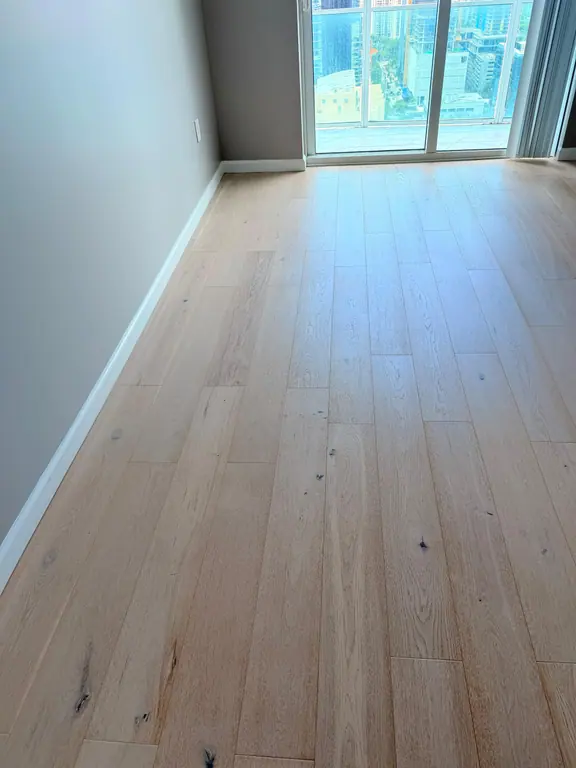
Flooring and paint decisions create disputes when landlords use broad labels instead of condition comparisons. Photograph carpets, tile, wood, vinyl, baseboards, and painted surfaces at move-in, including pre-existing marks and areas hidden by furniture. At move-out, repeat the views and describe what changed.
The practical question is whether cleaning or routine maintenance can restore the surface, or whether a documented condition requires a repair or replacement assessment. A stained carpet may need professional treatment before anyone decides it must be replaced. A wall with ordinary scuffs may need touch-up paint, while a large hole or unauthorized color change may require more extensive work.
Use condition language that limits overreach
Record carpet color, pile condition, visible stains, odor observations, tears, burns, and locations. For paint, note the room, color, finish, visible marks, and any known product information. Don't charge a tenant for ordinary fading, gradual wear, or property-related moisture damage. Keep humidity or mold-related concerns in the maintenance file unless evidence supports a different conclusion.
A Doral manager might use a professional carpet assessment to determine whether cleaning is sufficient. An Aventura landlord may need to distinguish sun fading from damage to blinds or paint. Those judgments require the move-in baseline, current photographs, vendor observations, and applicable lease terms.
The right charge is tied to the documented repair need, not to the landlord's preferred upgrade.
Obtain replacement or repair estimates when the work is substantial. Ask vendors to describe the affected area and recommended remedy instead of requesting a quote for an entire replacement without explanation. This helps prevent a tenant from being charged for an upgrade or for undamaged portions of a surface.
8. Final Walkthrough Checklist and Signature Documentation
The final walkthrough is the handoff between inspection and readiness. When possible, invite the departing tenant to attend, use the same form and room order as move-in, and give them a chance to comment on disputed entries. A signature confirms that the walkthrough occurred and that the tenant received the report. It doesn't require the tenant to agree with every assessment.
Industry templates commonly include a condition rating, notes, and a photo-capture field, and some recommend comparing move-out documentation to the move-in report and obtaining signatures from both parties. This routine rental inspection checklist reflects the practical shift from a cleaning reminder to a documentation system.
Make the form useful at the property
A mobile form can attach photos while the inspector is standing in the room. Paper can work too, but staff must scan it, label it, and connect it to the image folder. The format matters less than completeness and consistency.
The walkthrough should confirm:
- Room condition: Record walls, ceilings, floors, doors, windows, fixtures, storage, and visible damage.
- Appliance status: Note working condition, error codes, leaks, and missing components.
- Access inventory: Count keys, remotes, fobs, garage devices, and codes.
- Utilities and safety: Record meter evidence and any issues requiring follow-up.
- Tenant comments: Capture disagreements factually rather than turning the form into an argument.
If the tenant can't attend, document the invitation, inspection date, tenant absence, and the person who completed the inspection. Send the completed report and relevant photographs through a method that creates a delivery record. Never pressure a tenant to sign a statement they dispute. Mark the disputed item, preserve the evidence, and handle the deposit process separately.
The form should also identify items that remain unfinished. A final walkthrough is not complete merely because the tenant signed. The unit still needs repairs, cleaning verification, utility confirmation, and readiness approval.
9. Tenant Communication and Move-Out Expectations Notification
Turnover problems often begin with a vague notice. Send the tenant a written explanation of the move-out date, key-return process, utility instructions, cleaning expectations, access arrangements, forwarding-address request, and walkthrough procedure. Clear communication gives the tenant a chance to correct removable issues before the final inspection.
A landlord can send a reusable letter through AppFolio, Buildium, or another property management system. The message should match the lease and shouldn't promise a deposit outcome before the inspection. It should also distinguish cleaning from damage, because tenants need to know whether a task involves routine restoration or a condition that may require separate evaluation.
Give the tenant a practical self-review
A useful notice can ask the tenant to confirm that personal property and trash are removed, appliances are emptied and cleaned, cabinets and closets are clear, bathrooms are restored, floors are addressed, fixtures remain in place, and all keys and remotes are returned. Include the preferred communication channel and explain how to schedule access for a pre-vacate conversation when the lease and applicable law permit it.
Don't use a generic “professional cleaning required” phrase without defining the expected result. Tie expectations to the move-in record and list the areas that matter. A tenant should understand that an oven interior, refrigerator, cabinet interior, blinds, floors, and bathroom fixtures may be inspected.
Miami-Dade properties also need communication that reflects the building. Condo access rules, elevator reservations, parking restrictions, loading windows, gate remotes, and association procedures can affect when belongings leave and when vendors enter. Short-term rental hosts need a shorter operational message, but they still benefit from written checkout instructions and a photo-based damage process.
Florida notice and deposit rules should be checked against current requirements. Templates help staff communicate consistently, but they don't replace legal review for unusual notices, disputes, abandoned property, or deductions.
10. Maintenance Issues, Repair History, and Post-Move-Out Cleaning Services
The final step closes the operational record. Pull together maintenance requests, service calls, repair invoices, cleaning documentation, meter readings, inspection reports, keys, and readiness notes. This history helps distinguish a recurring air-conditioning problem from tenant misuse, or coastal corrosion from avoidable damage.
Create one maintenance folder for each property and organize records by date and issue. Include the tenant's original report, photographs before and after service, contractor findings, invoices, parts, and any follow-up test. A repair log can be simple, but it should answer who reported the issue, when it occurred, what the vendor found, what work was completed, and whether the property passed post-repair verification.
Coordinate vendors as one turnover project
The sequence matters. Document the vacant condition first. Complete urgent repairs before final cleaning where the work could create dust, debris, stains, or access problems. Then schedule the appropriate cleaning service, verify the scope, return for a final inspection, and release the unit for marketing or occupancy.
For renovation-related debris or residue, use a service designed for that condition, such as post-construction cleaning services. For ordinary turnover, choose a move-in/move-out scope that matches the property and document what the cleaner completed.
Ask vendors for itemized proposals, proof of insurance where appropriate, references, and clear arrival windows. If you manage several Miami-Dade units, standardized scopes can reduce repeated negotiations, but don't force every property into the same package. A condo, student apartment, boat-access property, and furnished short-term rental may require different room priorities.
The final file should show that cleaning, repairs, utilities, and inspection were coordinated. It should also show what remains open. Marketing a unit before unresolved work is assigned creates avoidable rework and can lead to a poor first impression for the next resident.
10-Point Landlord Move-In/Move-Out Checklist Comparison
| Item | 🔄 Implementation Complexity | ⚡ Resources & Efficiency | 📊 Expected Outcomes | 💡 Ideal Use Cases | ⭐ Key Advantages |
|---|---|---|---|---|---|
| Property Condition Documentation & Photography | Medium, systematic process, procedural training | Moderate time, good camera/smartphone, cloud storage | Strong evidence for disputes, insurance claims, clear baseline | Move-in/move-out, security deposit disputes, short-term rental turnovers | Objective timestamped record, reduces landlord-tenant conflicts |
| 48-Point Deep Move-In/Move-Out Cleaning Protocol | High, multi-step proprietary checklist, trained staff | High: professional equipment, eco-friendly supplies, 4–8+ hours | Property appears move-in ready, reduces health/liability risks | High-turnover rentals, high-value units, seasonal turnovers | Thorough sanitation, attracts quality tenants, justifies higher rent |
| Utility Meter Readings & Service Disconnect Coordination | Medium, requires multi-party coordination and timing | Low equipment, moderate admin time, possible provider delays | Prevents billing disputes, detects leaks/high consumption | Vacant units, contested bills, seasonal or short-term rentals | Clear billing trail, continuity of service, maintenance detection |
| Lease Compliance Walkthrough & Damage Assessment | High, requires trained assessors and legal knowledge | Moderate time, photo evidence, possible contractor quotes | Justifies deposit deductions, supports small-claims defense | End-of-lease inspections, contested deposits, multi-unit properties | Legal protection, itemized repair lists, documented liability |
| Security Deposit Accounting & Itemized Return Documentation | Medium–High, administrative + legal compliance | Moderate admin effort, templates/software speed process | Statutory compliance, fewer disputes, audit-ready records | Any tenancy end, jurisdictions with strict deposit laws | Transparent accounting, reduces penalties, professional record-keeping |
| Appliance Functionality & Maintenance Testing | Medium, technical checks, may need pros/seasonal tests | Moderate: testing tools or technician fees, time per unit | Identifies repairs, ensures habitability, warranty tracking | Properties with included appliances, pre-season/turnover checks | Prevents emergency failures, documents baseline for claims |
| Carpet, Flooring & Paint Condition Standards | Medium, assessment can be subjective; pros recommended | Moderate: cleaning/repair quotes, professional assessments | Clear wear-vs-damage standards, informed repair vs replace decisions | Older units, varied flooring, humid climates (mold risk) | Clarifies deductions, supports depreciation and fair billing |
| Final Walkthrough Checklist & Signature Documentation | Low–Medium, coordination with tenant required | Low time if cooperative; digital e-signatures streamline | Mutual acknowledgment of condition, reduces later disputes | Standard move-outs where tenant can attend | Signed, mutually-agreed record; strengthens dispute position |
| Tenant Communication & Move-Out Expectations Notification | Low, template/automation-friendly | Low effort with PM software; preventive efficiency | Higher tenant compliance, fewer surprises, reduced cleaning costs | Student housing, long notice periods, short-term rental checkouts | Proactive clarity, reduces disputes, encourages tenant remediation |
| Maintenance Issues, Repair History & Post-Move-Out Cleaning Services | High, ongoing logs + coordination with contractors/cleaners | High: record-keeping, invoices, professional cleaning costs | Differentiates maintenance vs tenant damage, speeds re-listing | Large portfolios, frequent repairs, short-term rentals | Comprehensive audit trail, faster turnovers, protects health/liability |
Close the Turnover Loop Before Marketing the Unit
A turnover is complete only when the record, the property, and the next handoff agree. Start with the pre-clean condition record. Photograph the vacant unit, preserve the move-in baseline, and complete the move-out inspection before cleaners or repair crews alter the evidence. Then separate each finding into normal wear, maintenance, or possible tenant-caused damage.
Next, stabilize the property. Confirm utility responsibility, test essential appliances, address leaks or air-conditioning problems, replace filters where appropriate, and schedule repairs that could interfere with final cleaning. In Miami-Dade, the sequence deserves extra attention because heat, humidity, coastal exposure, and fast short-term rental schedules can make a small delay more disruptive. A cleaner can't solve an unresolved leak, and an inspector can't verify a surface that a repair crew later damages.
Schedule the appropriate cleaning service through Canes Cleaners when the scope fits the property. The company serves homes, apartments, condos, short-term rentals, student housing, offices, and other properties across Miami-Dade, and it offers defined cleaning packages including standard cleaning, a 36-point deep clean, a 48-point move-in/move-out clean, and post-construction cleaning. Landlords can tailor the scope to rooms and priorities, which is useful when a unit needs more than routine tidying but doesn't require identical work everywhere.
After cleaning, verify every included point rather than assuming vendor completion equals landlord acceptance. Compare the post-clean images to the inspection record, confirm that repairs are finished, test affected appliances, check access devices, and walk the unit in the same order used at move-in and move-out. The final reviewer should record the approval date, open issues, responsible person, and target resolution if anything remains.
Deposit accounting belongs in the same workflow, but it needs its own judgment. Connect each potential deduction to the signed lease, before-and-after condition evidence, invoices or estimates, and current Florida requirements. The industry summary cited earlier shows why cleaning often appears in deposit disputes, but the presence of a cleaning invoice alone doesn't establish that a tenant owes it. The condition, agreement, and applicable law still control.
Build a reusable property folder with:
- Condition records: Signed move-in and move-out forms, wide photographs, close-ups, videos, tenant comments, and inspection dates.
- Vendor documents: Cleaning scopes, completion confirmations, repair estimates, invoices, warranties, and insurance information.
- Utility evidence: Meter photographs, readings, transfer confirmations, final bills, and account notes.
- Access records: Keys, remotes, fobs, codes, mailbox devices, and replacement actions.
- Readiness approval: Final walkthrough, appliance tests, unresolved items, and release date for marketing.
A consistent folder reduces the time required for the next turnover because staff won't need to reconstruct what happened from scattered texts and phone calls. It also supports more disciplined 2026 rental marketing strategies, because the property should be ready before new marketing promises are made.
The strongest move in move out checklist for landlords doesn't try to turn every decision into a checkbox. It creates a repeatable workflow with evidence at each handoff. Landlords who document before cleaning, coordinate repairs before final presentation, and account for deposits from organized records can move faster without treating speed as a substitute for accuracy.
Canes Cleaners offers Miami-Dade landlords a defined 48-point move-in/move-out cleaning service for homes, apartments, condos, short-term rentals, and student housing, with scopes that can be customized to rooms and priorities. When your turnover needs a documented cleaning handoff, visit Canes Cleaners to review the available services and book online.