
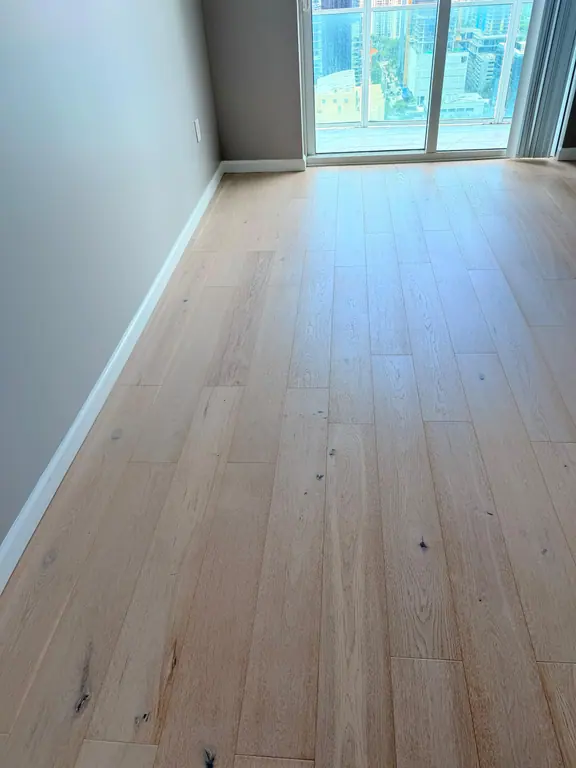
Your lease ends Friday, the last boxes are by the door in Brickell, and your landlord wants a walkthrough Monday. Across town in Coral Gables, you're not moving anywhere, but the baseboards, grout, and oven haven't had real attention in a year. You both need help. You don't need the same service.
Table of Contents
- The Two Cleaning Questions Miami-Dade Households Actually Ask
- What Each Service Actually Is
- Scope and Checklists Room by Room
- Matching the Service to Your Situation
- Why Move-Out Cleaning Is Not Automatically Deposit Protection
- How Pricing and Timeframes Actually Work in Miami-Dade
- When to Skip Both and Call a Specialist Instead
- Booking the Right Service With Confidence
The Two Cleaning Questions Miami-Dade Households Actually Ask
Renters search for Move Out Cleaning vs Deep Cleaning as if they're picking the longer checklist. That's the wrong starting point. After walking hundreds of vacant units and occupied homes, I'll tell you the choice turns on two questions. Is anyone still living there? And who will judge the result?
The Brickell tenant isn't buying comfort. She's buying inspection readiness. The unit will be empty, every cabinet will be opened, and a property manager will compare what they see to a lease, photos, and a deadline. A missed fridge interior or dusty closet shelf becomes a deduction conversation.
The Coral Gables homeowner has a different problem. The furniture stays, the kids and dog stay, and daily life has layered grease on the range hood, soap scum in the shower, and dust behind furniture. He doesn't need a vacant unit reset. He needs soil removal without turning the house upside down.
Why Rental Turnover Creates a Different Job
Rentals churn in a way owner occupied homes don't. The U.S. Census Bureau historical movers data show annual mobility generally ranged from 38% to 42% for renters, compared with 9% to 12% for homeowners. A more recent Census analysis found 22.9% of renters moved between 2015 and 2016, versus 5.0% of homeowners.
That gap explains why turnover cleaning exists as its own service. You're not maintaining a household. You're closing one tenancy and preparing for the next, under time pressure.
Practical rule: If the property will be empty and inspected, think turnover. If people will keep living there and the buildup bothers you, think deep clean.
Book the wrong one and you'll waste money either way. A deep clean in a vacant unit can leave empty closets and appliance interiors untouched because nobody scoped them. A move out clean in an occupied home pays for vacancy tasks you can't even perform around furniture and belongings. Start with property state and goal, not bullet count.
What Each Service Actually Is
Define these services by objective and verification standard, not by how impressive the checklist sounds.
Move out cleaning is a turnover reset for a vacant property. The standard is external. A landlord, incoming tenant, buyer, or property manager checks floors, kitchens, bathrooms, cabinet and appliance interiors, doors, baseboards, closets, and visible residue. Coverage has to be standardized room by room, with exceptions documented before handoff.
Deep cleaning is a condition focused reset for an occupied home. The standard is internal. You and the cleaner decide where accumulated soil, neglected edges, and hard to reach areas need extra labor, while your belongings stay in place.
Move-Out Cleaning vs Deep Cleaning at a Glance
| Criterion | Move-Out Cleaning (48-point) | Deep Cleaning (36-point) |
|---|---|---|
| Objective | Vacancy readiness for inspection and next occupant | Soil removal and hygiene attention in a lived in home |
| Property state | Empty, utilities on, belongings removed | Occupied and furnished |
| Documentation | Room by room completion, exceptions, photos if agreed | Problem zones flagged for future visits |
| Acceptance threshold | Contracted items complete before handoff | Agreed detail areas visibly reset |
| Typical buyer | Renter, landlord, seller, property manager | Homeowner, renter staying put, host between resets |
Neither label means medical sterilization. The EPA and CDC guidance on cleaning and disinfecting spaces distinguishes cleaning, which uses soap and water to remove dirt, impurities, and germs, from disinfecting, which uses products intended to kill germs after cleaning. If a quote promises sanitized everything without naming products or process, push back.
For a useful outside perspective on how scope changes by room, look at room-by-room cleaning decisions and compare that thinking to your own home. The point isn't copying another company's list. It's noticing that good scoping starts with how each room is used and judged.
Once you see vacancy reset versus occupied soil removal, Move Out Cleaning vs Deep Cleaning stops being confusing. You're choosing a purpose, then a checklist to match it.
Scope and Checklists Room by Room
Kitchens and bathrooms drive most of the labor difference. Bedrooms and living areas diverge less, but closets and empty floors change the work more than people expect.
The comparison below maps the 48 point and 36 point scope by room.
Kitchen and Bathrooms
In a move out kitchen, we clean inside the oven, fridge, microwave, cabinets, and drawers because they're empty and inspectors check them. We degrease the stovetop and hood area, wipe cabinet fronts, clean sinks and faucets, and detail floors edge to edge without rugs or trash cans in the way.
A deep clean kitchen targets the same grease and buildup, but around your food, appliances, and daily items. Cabinet interiors usually aren't emptied unless you've arranged it. The priority is what's accumulated, not what a landlord will open.
Bathrooms follow the same logic. Move out work covers tile, grout lines, glass, toilets, tubs, vanities, mirrors, exhaust fan covers, and empty medicine cabinets. Deep cleaning focuses on soap scum, hard water spots, grout, fixtures, and the areas behind and beside toilets that routine visits rush past.
Bedrooms, Living Areas, and Specialty Spaces
- Move out only in practice: Empty closets, pantry shelves, vacant room floors, interior windows and blinds across the whole unit, and baseboards with no furniture blocking them.
- Deep clean emphasis: Baseboards behind movable furniture, ceiling fans, vents, cabinet tops, accumulated dust reservoirs, and detail around beds and sofas that stay.
- Shared ground: Floors, counters, fixtures, doors, and high-touch surfaces in every room.
That shared ground matters. The CDC facility cleaning guidance on frequently touched surfaces identifies doorknobs, light switches, countertops, handles, toilets, faucets, and sinks as recurring targets. Both services should hit them systematically, working clean to dirty and high to low.
If you're a landlord building a turnover standard, resources that help you prepare rentals for spotless turnovers are worth studying for structure. Then adapt the list to your lease and your building, because a Miami Beach condo and a Doral townhouse don't inspect the same way.
Read any checklist with one test. Does it name interiors, edges, and exceptions, or does it just say kitchen cleaned? Vague scope is where disputes start.
Matching the Service to Your Situation
Don't ask which service is better in the abstract. Ask what event triggered the booking.
This guide maps common Miami-Dade situations to the service I'd book first.
Lease ending or starting. Book move out cleaning. Renters need inspection readiness, landlords need a documented reset before listing or handing over keys, and incoming tenants want empty interiors cleaned before boxes arrive. There's no benefit to calling this a deep clean and hoping interiors get included.
Seasonal reset, guests coming, or starting recurring service. Book deep cleaning. You're removing months of buildup so routine visits can maintain the result. If you're deciding cadence after that first reset, this guide on how often you should deep clean your home maps frequency to household type without pushing a one size schedule.
Pre-listing a home for sale. It depends on occupancy. Vacant and staged later, use the move out scope so buyers opening cabinets see clean interiors. Still living there during showings, use a deep clean and keep belongings edited down. Agents care about kitchens, baths, floors, and glass first.
Short-Term Rentals and Post-Illness Cleans
Hosts confuse these categories often. A normal guest changeover is neither service. It's a fast, repeatable turnover with laundry and restocking. Layer a periodic 36 point deep clean on top when grout, vents, baseboards, and appliance interiors drift. Reserve the 48 point scope for pulling a unit off the market, ending a long stay, or changing management.
After illness in the home, be precise about what you're asking for. A deep clean expands the surfaces addressed and the detail level, but it isn't automatically a disinfection protocol. Say which rooms and high-touch points concern you, ask what products will be used, and confirm dwell time will be honored instead of spray and immediate wipe.
You don't need the biggest package. You need the package whose finish line matches the person judging the work.
When the trigger is clear, the recommendation usually takes thirty seconds. Vacant plus inspection means move out. Occupied plus buildup means deep. Everything else is add-ons and scheduling.
Why Move-Out Cleaning Is Not Automatically Deposit Protection
I'll say this plainly because renters lose money believing otherwise. A clean unit helps your deposit case. It does not guarantee your deposit back.
A key handoff is a condition conversation, not just a cleaning event.
The standard that usually matters is the property's condition compared with the move in record, the lease language, and ordinary wear and tear. British Columbia's government guidance on moving out of rental units, for example, says tenants must clean when moving out but are not responsible for reasonable wear and tear, and it recommends an inspection with the tenant. Jurisdictions differ, but the documentation principle travels well.
Scuffed paint from normal living, faded blinds, and worn carpet traffic lanes aren't solved by scrubbing harder. Grease left in an oven, soap scum in a tub, and food residue in a fridge are cleaning failures. A checklist alone can't prove which category a disputed item falls into.
Turn the Clean Into Evidence
- Dated before and after photos: Shoot wide room views, then close ups of appliances, tubs, and floors.
- Signed condition notes: Record permanent staining, damaged grout, paint failure, or inaccessible areas before handoff.
- Itemized invoice: Keep the service date, address, and scope so you can show what was performed.
- Lease check first: Follow any specific lease or building instructions over a generic online list.
Independent advice on how to clean for a bond inspection makes a similar point about preparing for the inspection itself, not only the clean. Pair that mindset with a local move out cleaning checklist for tenants so your scope, photos, and walkthrough line up.
This walkthrough video is useful for seeing how a room by room handoff should be paced and documented.
In Miami apartments, student housing near the University of Miami, and managed condos, property managers often control deadlines and inspection format. Ask for their standard in writing before you book. In Move Out Cleaning vs Deep Cleaning decisions, the highest value move out service is inspection readiness plus evidence, not extra scrubbing with no paper trail.
How Pricing and Timeframes Actually Work in Miami-Dade
Two quotes for the same address can look far apart and both be honest. They're usually assuming different condition, different interiors, and different crew time.
Pricing for both services runs on three variables.
Square footage and layout set the baseline. Bathrooms and kitchens cost more per square foot than bedrooms because they carry fixtures, tile, glass, and grease or mineral buildup. A studio with one bath and a two bedroom with two baths aren't priced by floor area alone.
Condition is the swing factor most online quotes underweight. Heavy oven grease, pet hair worked into edges, neglected grout, and years of dust on blinds and vents add hands on time that a floor plan can't show. A maintained unit on a recurring cycle moves faster, whether the final visit is a deep clean or a move out.
Scope and add-ons finish the price. Inside fridge and oven, interior windows, blinds, balcony floors, laundry areas, and garage sweeps may be included, optional, or excluded depending on the company. Compare inclusions line by line before you compare totals.
How to Read a Quote Like an Operator
Ask whether you're getting a flat rate for a defined checklist or an hourly minimum with a scope ceiling. Flat rate protects you when condition is average and scope is explicit. Hourly can work for occupied deep cleans where you want the team to prioritize your worst zones until time runs out.
For a fuller local breakdown, see the move out cleaning cost guide for Miami-Dade and use it to interrogate assumptions, not just hunt for a headline number. Any company worth booking will explain what happens if the home is in worse condition than described.
Timeframes follow the same logic. Crew size, building access, elevator reservations, parking in Miami Beach or Brickell, and whether utilities and hot water are on can stretch or compress a job. For move outs, I recommend a photo or video walkthrough before the date. It prevents the worst outcome, a crew arriving to a still furnished unit, no power, and a same day inspection.
Companies in this market, including Canes Cleaners with its defined 36 point and 48 point checklists, generally price from the same inputs. Judge them on scope clarity and exception handling, not on who gives the fastest number with the fewest questions.
When to Skip Both and Call a Specialist Instead
Deeper isn't always better. Sometimes cleaning first makes the problem harder to see, or spreads it around.
Use this decision tree. Choose deep cleaning for accumulated household soil while occupants remain. Choose move out cleaning for an empty property with a documented turnover scope. Pause and escalate when the issue is a building or health problem, not housekeeping.
Stop and Escalate Signals
- Suspected mold or persistent musty odor: Especially around AC returns, under sinks, and in bathrooms with failed ventilation.
- Active leaks or water damage: Stained ceilings, bubbling paint, warped baseboards, or damp cabinet floors need repair before cosmetic cleaning.
- Pest evidence: Droppings, nesting material, or heavy roach activity call for pest control and a cleaning plan sequenced after treatment.
- Post-construction contamination: Fine dust throughout a home, paint residue, and job site debris need a dedicated post-construction process.
- Hazardous or unknown debris: Don't ask a standard crew to guess what they're handling.
Miami-Dade humidity makes moisture signals easy to misread as ordinary dirt. A neutral rental property cleaning checklist from Care.com recommends inspecting for hazards, leaks, functioning utilities, smoke and carbon monoxide alarms, HVAC filters, and remaining odors or stains before and after cleaning. That's the right instinct. A vacant unit clean should include a handoff quality look at the property, not just surface detail.
Aggressive scrubbing can also damage finishes or obscure a maintenance issue that should be reported. Etched stone, failing grout, and peeling cabinet finish won't be restored by stronger chemicals, and trying can create a damage claim where there was only wear.
What you should receive in either service is clear. Cleaned surfaces within scope, documented exceptions, and maintenance observations worth passing to an owner or manager. Not a guarantee of air quality or habitability. A good company knows when not to clean, and tells you early.
Booking the Right Service With Confidence
Make the decision in one sentence before you book. Vacant and inspected means move out, occupied and built up means deep.
Then confirm the handoff details. Property state on arrival, utilities and hot water on, access and parking, freight elevator reservations if your building requires them, pets secured, and problem zones flagged in writing. For short-term rentals, confirm the turnover window and laundry expectations. For student move outs, confirm the building deadline, not just your preferred date.
A clear scope before arrival produces a clean that can pass inspection after departure.
Send photos if condition is questionable. That one step prevents most scope disputes I've seen, for renters, owners, and managers alike.
If you're weighing Move Out Cleaning vs Deep Cleaning for a Miami-Dade home, apartment, condo, or rental turnover, Canes Cleaners offers defined 36 point deep cleans and 48 point move in and move out cleans with transparent checklists and online booking. Tell the team whether the property will be vacant or occupied, flag your problem zones, and book the scope that matches your inspection or reset goal.