
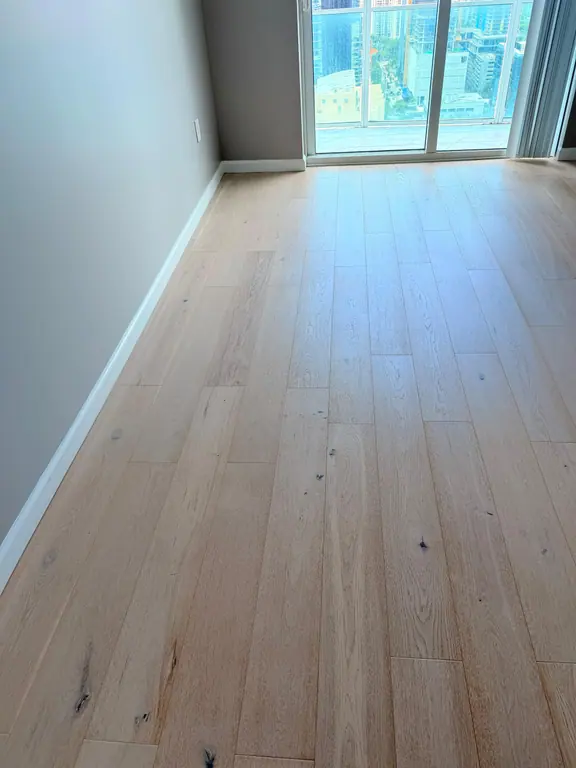
A standard turnover clean takes one to three hours for a short-term rental, while a full move-out clean can take longer depending on the unit's size and condition. The difference between finishing on time and pushing back the next move-in usually comes down to labor, access, and task sequence rather than effort alone.
It's Sunday afternoon in Miami. The departing guest has left late, the cleaner is waiting for a smart-lock code, laundry is still in the dryer, and tomorrow's tenant is scheduled to collect keys. The apartment may look manageable at first glance, but the kitchen grease, bathroom buildup, pet hair, trash, missing supplies, and final inspection still have to fit into the same narrow window.
That's the operational reality of apartment turnover cleaning. The job isn't only to make a unit look presentable. It's to convert a lived-in space into a clean, inspected, documented, move-in-ready space before vacancy starts costing the owner money.
Table of Contents
- What Apartment Turnover Cleaning Really Means
- The Complete Turnover Cleaning Checklist
- The Economics and Frequency of Turnovers
- Timing and Speed in the Turnover Process
- Professional Turnover Services vs DIY Approaches
- How Canes Cleaners Handles Rapid Miami Turnovers
- Planning Your Next Turnover with Confidence
What Apartment Turnover Cleaning Really Means
A routine clean maintains an occupied apartment. A turnover clean resets the unit after move-out, with a higher standard and a fixed handoff deadline. The difference affects labor planning, inspection time, and how quickly the next resident or guest can receive access.
A routine visit may cover floors, bathrooms, kitchen surfaces, and visible dust. A make-ready reset reaches the areas occupants leave behind, including cabinet interiors, appliance edges, closet shelves, baseboards, window tracks, light fixtures, door hardware, and the space behind toilets. The crew also performs a condition check, since cleaners often notice leaks, broken blinds, missing fixtures, unusual odors, or wall damage before management does.
The work sits inside a larger sequence. For a Sunday checkout and Monday move-in, the property manager must coordinate access, maintenance, paint touch-ups, pest treatment, laundry, supplies, and final approval. If the previous occupant has not fully vacated, cleaners lose productive time waiting or working around belongings. If repairs occur after cleaning, dust and debris force the crew to repeat completed tasks. That rework, rather than the cleaning itself, often becomes the vacancy bottleneck.
The difference between tidy and ready
A tidy apartment may pass a quick glance. A ready apartment can withstand a tenant walkthrough, guest arrival, or property manager inspection. The crew must remove visible soil, resolve overlooked details, and document defects that cleaning cannot correct.
- Kitchen residue: Degrease cooking surfaces, clean appliance interiors, wipe cabinet handles, and address drain odors.
- Bathroom buildup: Remove scale from fixtures, scrub grout and corners, and clean behind and around toilets.
- Occupant traces: Remove hair, pet dander, food debris, fingerprints, and discarded items from hidden and high-touch areas.
- Operational defects: Report leaks, damaged seals, broken fixtures, stained carpet, and other conditions requiring maintenance.
The scope may extend beyond the apartment. A property manager arranging exterior upkeep may need a specialist for hiring commercial pressure washing when entrances, walkways, breezeways, or common areas weaken an otherwise clean handoff.
Practical rule: Treat the turnover as a production line. Assign every task an owner, start time, dependency, and completion check.
Turnover work is a recurring operating process, as reflected in the National Apartment Association turnover data summarized by Property Meld. In a large Miami property, the operating question is whether the team can process the next unit without repeating work or extending vacancy.ેણ
The Complete Turnover Cleaning Checklist
A turnover checklist should follow the physical behavior of soil and the order of the work. Start high, remove dry debris before adding moisture, and leave floors for the end. That sequence prevents a cleaner from mopping a floor only to drop dust, hair, or chemical residue onto it later.
Before cleaning begins, confirm the move-out is complete, utilities are available, and the scope includes any required linen, restocking, carpet, balcony, or appliance work. Check for leaks under sinks and around toilets, because cleaning a damaged area without reporting it only hides a problem until the next occupant finds it.
Whole-unit reset
Remove trash, abandoned items, loose debris, and packaging first. Then work from ceiling corners and vents down to light fixtures, walls, switches, doors, handles, baseboards, window sills, and closet surfaces.
Use a HEPA-filtered vacuum on carpets, upholstery, edges, and baseboards when dust or pet residue is present. A controlled study cited in apartment-cleaning guidance reported 55.5% lower dust loading and 80.8% lower house-dust-mite allergens with HEPA-based cleaning, which supports capturing fine particles instead of redistributing them (HEPA apartment cleaning guidance). Vacuuming should happen before wet floor care.
Kitchen and bathroom reset
The kitchen needs more than a wiped counter. Degrease the stovetop, hood, backsplash, knobs, appliance fronts, and nearby wall areas. Clean the oven, microwave, refrigerator shelves and gaskets, cabinet interiors, sink, faucet, drain, dishwasher seal, and floor edges under appliances.
Bathrooms need dwell time and detail work. Apply toilet cleaner early so it can work while other surfaces are handled, then descale faucets and shower fixtures, scrub grout, clean vanity interiors, wipe mirrors and light fixtures, disinfect touchpoints according to product directions, and mop behind the toilet and around corners.
Bedrooms, living areas, and final verification
Dust fans, blinds, window sills, tracks, light fixtures, closet shelves, rods, doors, and baseboards. Vacuum along edges and under furniture, then mop hard floors after all dry work is complete. In short-term rentals, start laundry early because towels and linens can become the bottleneck; restocking and final staging should happen after cleaning, not before.
For a useful move-out handoff, pair the cleaning checklist with broader 10 key steps for a smooth move, especially when access, belongings, utility status, and key return affect the cleaning window. Hosts managing guest stays can also use this Airbnb cleaning checklist to align room tasks, supplies, and final presentation.
Finish with a manager walk. Check the apartment from the entry, inspect floors at a low angle, open the refrigerator and oven, look behind the toilet, scan window glass for fingerprints, confirm trash removal, and photograph completed rooms. A clean that can't be verified is vulnerable to a dispute or a rushed re-clean.
The Economics and Frequency of Turnovers
A single move-out can cost a conservative average of $1,800, while a 200-unit community may spend more than $168,000 in annual turnover expenses, according to Property Meld's summary of the NAA turnover data. The 2019 Survey of Operating Income & Expenses in Rental Housing Communities also reported an average apartment turnover rate of 46.8%. These figures cover the wider move-out process, not only the cleaning invoice. Repairs, paint, flooring, disposal, inspections, and vacancy time can all increase the final cost.
The cleaning crew is one part of a larger production line. If access is delayed, the inspection happens late, or a repair changes the scope, the unit may miss its marketing or occupancy deadline. Labor is then spent waiting, returning, or redoing work instead of preparing the next apartment.
Where the bottleneck forms
Most delays begin with one unresolved dependency:
- Access is late: Keys, entry codes, or resident belongings prevent the crew from starting.
- Inspection is incomplete: Maintenance finds a leak, damaged fixture, or other repair after cleaning is finished.
- Laundry starts late: Wet towels or linens remain in machines while the rest of the unit is ready.
- The scope changes: A standard clean becomes odor treatment, appliance detailing, or post-construction cleanup without matching labor.
- Approval waits: No one has authority to accept the unit, request a correction, or release it for showing.
A written scope separates cleaning from repairs and gives each job a condition-based labor plan. It also makes vendor quotes easier to compare. One “move-out clean” may include appliance interiors, baseboards, and detailed fixtures. Another may cover only visible surfaces. Those are different services, even if the labels look similar.
Seasonal capacity matters
Turnover demand also arrives in waves. Summarized industry data reports that 80% of rental turnovers occur from May through September (rental property turnover timing data). That concentration affects staffing, scheduling, and recovery time. A property team that waits until peak months to find backup cleaners has little room for a missed appointment or a second visit.
Track unit type, typical condition, access requirements, laundry volume, and the reasons for re-cleaning. Frequency matters because repeated turnover patterns should shape staffing and supply planning, not just the cleaning budget.
The useful measure is the total cost of an approved unit delivered on time. A low cleaning quote can still produce a high turnover cost if it creates rework, delays repairs, or pushes back leasing. A practical move-out cleaning cost guide helps separate the cleaning scope from repairs, disposal, and other turnover expenses. That distinction gives managers a clearer basis for comparing vendors and scheduling labor.
Timing and Speed in the Turnover Process
Turnover speed is set before the cleaner arrives. Confirm the checkout time, required completion time, access method, repair status, supplies, and approval process. If any of those details are missing, a crew can clean efficiently and still miss the handoff.
For conventional rentals, the calendar can look generous until every dependency is included. Property management data summarized by Property Meld found that 45% of surveyed companies completed turnovers in less than nine days, while 49% took nine days or longer and 33% needed 13 days or more (turnover completion timing data). Those timelines reflect more than cleaning. Repairs, inspections, vendor availability, access problems, and unit condition can each hold the next task.
A workable sequence
Use a status flow that shows what can start and what remains blocked:
- Move-out confirmed: Belongings, trash, and keys are accounted for.
- Initial inspection complete: Damage and maintenance needs are documented before cleaning.
- Cleaning released: The crew has access and a written scope.
- Dry work finished: Dust, debris, vacuuming, and appliance preparation are complete.
- Wet work and staging complete: Bathrooms, surfaces, floors, laundry, and supplies are ready.
- Final approval recorded: The manager checks the unit and stores photos or checklist results.
Short-term rentals compress this entire sequence into the checkout-to-check-in gap. Published short-term rental turnover standards emphasize that laundry, trash, restocking, inspection, and staging must be coordinated within the available window. The first cleaner on site should therefore start dependency-heavy work, especially linens and trash removal, instead of spending the opening minutes on low-impact polishing.
That order protects labor capacity. Laundry can run while another worker clears the unit, and inspection findings can be sent to maintenance before the final cleaning tasks are finished.
In-house versus professional scheduling
An in-house employee may suit a predictable building with stable staffing and nearby units. The operational risk is interruption. That employee may be pulled into maintenance, lack the right equipment, or finish visible surfaces while missing inspection points.
A professional service can provide a defined scope and repeatable crew, provided the manager shares accurate access and condition information. The vendor does not remove scheduling work. It shifts the manager's role toward controlling release, communication, quality checks, and exceptions.
A fast turnover is not rushed cleaning. It is a sequence that starts with usable information, assigns work in the right order, and prevents avoidable stops.
Professional Turnover Services vs DIY Approaches
DIY cleaning makes sense when the property has low volume, the owner is close by, and the standard is simple. It becomes less attractive when the same person must handle guest messages, supply runs, maintenance coordination, laundry, and the final walkthrough.
The actual comparison is not a service invoice against zero. It's purchased labor against owner time, equipment, re-cleans, delayed showings, missed check-ins, and inconsistent results. A DIY process can work well when the owner uses commercial-grade tools, follows a fixed checklist, and records completion. It fails when every turnover depends on memory.
The sequence that protects the window
A rapid reset should begin with work that can run in parallel or create downstream dependencies. Start linens and towels first. Remove trash and loose items while laundry runs. Complete top-down dusting before vacuuming, then disinfect and clean wet surfaces, and finish with floors, restocking, staging, and photographs.
That order has two advantages. First, it prevents laundry from becoming the last unfinished task. Second, it follows dry removal before wet cleaning, which limits recontamination and helps control fine dust and allergens.
| Factor | DIY Approach | Professional Service |
|---|---|---|
| Labor | Uses owner or staff hours that may be difficult to replace | Allocates a dedicated crew to the defined scope |
| Consistency | Depends on the individual's habits and memory | Uses repeatable checklists, training, and inspection steps |
| Equipment | Requires the owner to supply vacuums, mops, microfiber cloths, and chemicals | Brings job-specific equipment and supplies |
| Flexibility | Can respond directly when the owner is nearby | Requires advance coordination but can support recurring demand |
| Quality control | Owner must inspect every area personally | Manager can require checklist completion and photo verification |
| Scaling | Becomes difficult when several units turn at once | Better suited to repeated or overlapping assignments |
Volume changes the decision
A single apartment every few months doesn't require the same system as a short-term rental with repeated guest changeovers. In high-density operations, access instructions, smart locks, parking, elevator rules, linen storage, and supply placement can matter as much as the cleaning method. Managers should document those details so a new cleaner doesn't lose time learning the building on the day of the turnover.
Owners coordinating a move alongside cleaning may also benefit from practical apartment relocation tips from Webster Moving Co., particularly for access, belongings, elevators, and move-out sequencing. The cleaning crew should arrive after the space is fully vacated, not while movers are still crossing the unit.
For Miami properties, humidity, sand, balcony dust, sunscreen residue, and heavy air-conditioning use can alter the scope. The right decision depends on volume, condition, access complexity, and the cost of the owner's time, not on whether DIY appears cheaper on paper.
How Canes Cleaners Handles Rapid Miami Turnovers
Miami-Dade turnover work rewards a defined scope. A property manager needs to know what the crew will clean, what the crew will report, what the client must arrange in advance, and how completion will be confirmed.
Canes Cleaners offers a 48-point Move-In/Move-Out Clean for resetting interiors between occupants, along with a 36-point Deep Clean for detailed work on high-touch areas, fixtures, and interiors. Its published service information describes non-toxic, eco-friendly products, teams trained to five-star hotel standards, vetted personnel, online scheduling, and customizable room scopes. Those details matter because a repeatable checklist reduces the number of decisions made inside the turnover window.
What the model solves
A defined move-in or move-out package helps separate standard cleaning from exceptions. The manager can identify whether the unit needs a normal reset, deeper interior detailing, post-construction dust removal, linen coordination, restocking, or repairs outside the cleaning scope.
That distinction is useful in short-term rentals and student housing, where the same rooms may need to be restored repeatedly and the next occupant may arrive with little tolerance for missed details. Canes Cleaners serves Miami, Miami Beach, Coral Gables, and other Miami-Dade communities, and it also provides cleaning for University of Miami students. Service areas and availability should still be confirmed before assigning a time-sensitive job.
The company's Airbnb turnover cleaning service fits the same operational model: clean the rooms, address the kitchen and bathroom, remove turnover debris, reset the presentation, and complete the final preparation needed for the next guest. The value of that model isn't a vague promise of speed. It's the reduction of ambiguity before the crew enters the unit.
The final step should remain with the property manager or host. Review the photographs or checklist, confirm the unit's condition, and route maintenance issues separately. A cleaner can identify a broken fixture, but cleaning shouldn't be used as a substitute for a repair inspection.
The following video provides another visual reference for the type of professional cleaning workflow property teams may evaluate:
Planning Your Next Turnover with Confidence
The most reliable turnover plan is built backward from the next occupant's arrival. Start with the required completion time, then reserve access, inspection, repairs, cleaning, laundry, restocking, staging, and approval in that order. Leave enough room for a correction, because a final inspection that finds hair in a bathroom corner or grease on an oven edge is useful only if someone still has time to fix it.
Use these questions when assigning the work:
- What is the exact scope? Confirm appliances, cabinets, windows, balconies, laundry, linens, supplies, odor treatment, and floors.
- Who controls access? Record keys, smart-lock codes, parking instructions, elevator restrictions, and entry contacts.
- What happens after damage is found? Decide who documents it, who authorizes repairs, and whether cleaning pauses.
- How is completion verified? Require a room checklist, time-stamped photographs, manager walkthrough, or another written record.
- What products and equipment are used? Ask whether the crew carries HEPA filtration, microfiber cloths, appropriate floor tools, and products suited to the surfaces.
For allergen-sensitive apartments, make dry removal a deliberate control point. Dust and vacuum before mopping, use effective filtration when fine particles or pet residue are present, and avoid spraying a surface before removing the debris that will interfere with cleaning. For tenant and guest safety, ask how products are selected and used, especially in enclosed bathrooms and kitchens.
DIY is reasonable when volume is low, access is simple, the owner has the equipment, and the inspection standard is documented. Call a professional when turnovers overlap, the property is remote, the schedule is compressed, or a missed handoff carries a material vacancy or guest-service consequence. Either way, the manager needs the same fundamentals: a written scope, a sequence, a responsible person, and proof that the unit is ready.
Canes Cleaners provides move-in and move-out cleaning, short-term rental turnovers, deep cleaning, and customizable apartment scopes across Miami-Dade. Visit Canes Cleaners to review the available services and arrange a turnover plan that matches your property's timing and inspection requirements.