
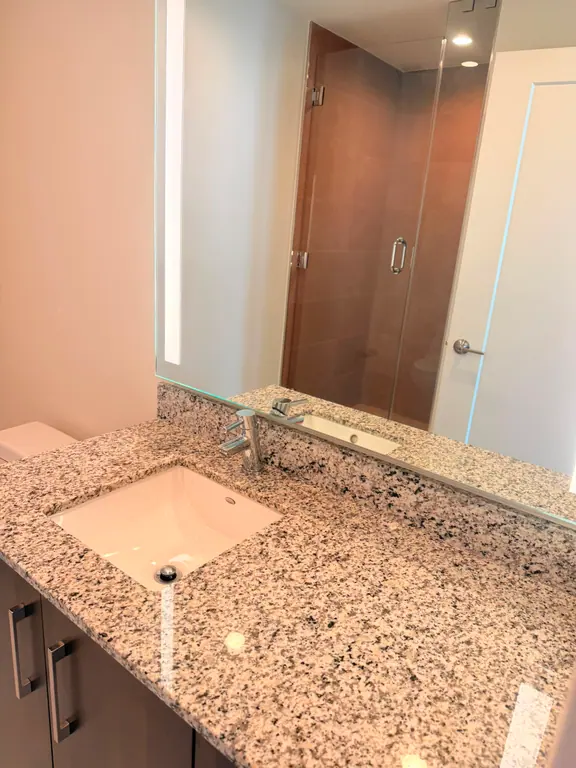
The move-out date is close, the apartment's mostly empty, and a strip of gray dust still lines the baseboards. Maybe a contractor has just finished work, or guests are checking in before the next afternoon. In Miami-Dade, where frequent air-conditioning use can keep windows closed and turnover schedules can be tight, “clean enough” depends on what the space needs next.
Deep cleaning services for apartments go beyond a recurring tidy, but they aren't a cure-all for damage, leaks, mold, or indoor-air hazards. Knowing what's included, how a crew should work, what changes a quote, and what documentation to request helps renters, landlords, and hosts book the right service.
Table of Contents
- Why Apartment Deep Cleaning Is a Different Job
- What Sets a Deep Clean Apart from a Standard Clean
- A Sample 36-Point Apartment Deep Clean Scope
- How Professional Teams Sequence the Work
- What Drives Apartment Deep Clean Pricing in Miami-Dade
- Indoor Air Quality, Ventilation, and Low-Emission Choices
- Matching the Scope to Your Apartment Situation
- How Canes Cleaners Tailors Apartment Deep Cleans in Miami-Dade
Why Apartment Deep Cleaning Is a Different Job
A renter may have a move-out inspection approaching while a property manager is preparing the next tenant's keys. In another apartment, renovation dust has settled on shelves, window tracks, and floors even after the obvious debris is gone. These jobs may all be called “deep cleaning,” but they don't automatically need the same scope.
Apartments bring practical constraints that affect the work: compact kitchens and bathrooms, furniture that limits access, building rules for elevators or parking, and short gaps between occupants. HVAC use can also circulate settled dust, so a tidy-looking room may still need careful attention to vents, ledges, and floor edges. A recurring clean typically maintains accessible surfaces; a deep clean targets buildup and neglected details. A post-construction reset, suspected mold issue, or repair job may need a separate specialist rather than a standard cleaning crew.
Indoor conditions are part of the reason a clean matters beyond appearance. The U.S. Environmental Protection Agency's overview of indoor air quality says Americans spend approximately 90% of their time indoors, and concentrations of some indoor pollutants are commonly 2–5 times higher than outdoors and can occasionally exceed outdoor levels by more than 100 times. Cleaning can address visible dust and residues, but it doesn't replace ventilation, moisture control, or professional testing for hazards.
Scope check: If the concern is a building defect, suspected mold, or a hazard such as radon or lead, ask for the appropriate inspection or remediation. Cleaning alone won't resolve it.
If you're preparing for a turnover, start by deciding what needs to be removed, what needs documenting, and what falls outside a cleaner's scope. For ideas on making a home easier to maintain, this guide to greener home organization offers practical ways to reduce clutter and simplify upkeep.
What Sets a Deep Clean Apart from a Standard Clean
A standard clean maintains a home that's already in reasonable shape. A deep clean tackles buildup and details that routine visits may not reach. The difference isn't how long the crew stays; it's the surfaces included, their condition, and the tasks agreed in advance.
In a standard visit, a cleaner might wipe counters, clean bathroom fixtures, dust accessible surfaces, vacuum floors, and empty trash. A deep-clean scope may add scrubbing baseboards, wiping cabinet fronts, cleaning fan blades and vent covers, detailing window ledges, and addressing grout or accumulated grease. Appliance interiors, sliding-door tracks, blinds, and areas under movable furniture should be confirmed rather than assumed.
Buildup can persist even when a home gets a regular tidy. A quick wipe may leave a thin layer of cooking residue on cabinet fronts; floor cleaning may miss edges behind a chair; dust can collect on fan blades and window ledges between visits. A deep clean resets those areas so recurring maintenance has a cleaner starting point.
Disinfection is a separate question from detail work. The CDC advises regularly cleaning high-touch surfaces, such as switches, doorknobs, and countertops, and cleaning other surfaces when visibly dirty or as needed. It also says routine home disinfection is generally unnecessary unless someone is sick, someone sick has recently visited, or a household member is at higher risk because of a weakened immune system. CDC home-cleaning guidance can help distinguish routine cleaning from situations where disinfection may be appropriate.
When requesting a quote, describe what you can see: “grease on the range hood,” “dust on fan blades,” or “grout needs scrubbing” is more useful than saying “the apartment needs a deep clean.” Ask the provider to confirm each requested detail in writing.
A Sample 36-Point Apartment Deep Clean Scope
A useful checklist names the task, the room, and any limit that could affect completion. The sample below gives you a way to compare a quote with the apartment itself. It's a planning checklist, not a promise that every service package includes every task.
Kitchen, 10 points: wipe cabinet fronts; clean appliance exteriors; scrub the sink; wipe countertops; degrease the backsplash; clean inside the microwave; wipe the refrigerator exterior; dust vents; clean the stovetop; mop the floor. Confirm whether the inside of the oven and the range-hood filter are included, since those jobs are easy to mistake for standard appliance detailing.
Bathrooms, 8 points: scrub the toilet; clean shower walls; wipe mirrors; polish fixtures; scrub grout; clean the vanity; wipe baseboards; mop the floor. Ask whether soap buildup and mineral deposits are included and whether the cleaner will report a damaged seal or persistent staining rather than trying to treat a repair as a cleaning task. For more detail on bathroom tasks, use this deep-cleaning bathroom checklist.
Living areas, 6 points: dust baseboards; clean fan blades; wipe window sills; vacuum under furniture that can be moved safely; clean vent covers; dust shelves.
Bedrooms, 6 points: dust baseboards; clean fan blades; wipe nightstands; vacuum under the bed where accessible; dust blinds; wipe door frames.
Laundry, 6 points: wipe the washer exterior; clean the dryer lint trap; dust shelves; wipe the utility sink; clean the accessible vent surface; mop the floor.
The room totals add up to 36 tasks, but the count matters less than the boundaries. Clarify whether cleaners move furniture, reach the sliding-door track, clean light fixtures and switch plates, or enter appliance interiors. EPA guidance notes that walking, cleaning, and vacuuming can put settled particles back into the air, and recommends damp dusting and HEPA-filter vacuums to reduce dust escaping back into a room. EPA guidance on indoor particulate matter supports asking how the crew will handle dust, especially around upholstery, carpets, and floor edges.
How Professional Teams Sequence the Work
A disciplined clean follows a sequence, not a random circuit around the apartment. The usual logic is high to low and soil removal before targeted disinfection, so dust and debris from upper surfaces don't land on areas that have already been finished.
A crew might begin with fan blades, high shelves, and vent covers, then work down through furniture and ledges. They can use damp microfiber cloths on surfaces where dry dusting would stir particles into the air. A HEPA-filter vacuum can be useful for carpets, upholstery, and floor edges, where fine debris tends to collect. Floors come later, after higher surfaces are done.
The order of rooms depends on the crew's plan and the apartment's layout. What matters is preventing dirty cloths, tools, or footwear from carrying soil into cleaned areas. Kitchens and bathrooms need mechanical cleaning first, particularly around fixtures and counters. Then the team can apply an appropriate disinfectant to selected high-touch surfaces if the situation calls for it.
The CDC explains that soil and organic matter can interfere with disinfectant performance. Clean the surface first, then apply a suitable product and keep the surface visibly wet for the full contact time on its label. Wiping it dry too early can undermine the stated antimicrobial performance. CDC facility-cleaning guidance covers that sequence and the importance of following product directions.
In a compact Miami apartment, ventilation deserves attention during product use. Ask whether the crew will open windows or doors where practical, use fans, and avoid mixing chemicals. A process that includes product-label compliance is more meaningful than a vague promise to “sanitize everything.”
For a visual demonstration of cleaning procedures, watch this overview:
What Drives Apartment Deep Clean Pricing in Miami-Dade
A quote reflects labor and access as much as the label “deep clean.” A small apartment in good condition may need a different scope from a larger unit with grease buildup, multiple bathrooms, heavy dust, or furniture that blocks surfaces. The right comparison is between matching task lists, not between two headline prices.
The details that commonly affect a quote include the unit's size and condition, kitchen and bathroom count, last cleaning, requested package depth, add-ons, parking, building access, and the time available to finish. In Miami-Dade, elevator reservations, gate access, loading rules, and traffic can also complicate a scheduled visit. Share those constraints when you ask for pricing rather than leaving them for the day of service.
Different jobs have different labor demands. A short-term rental turnover focuses on guest-ready presentation and an agreed handoff time. A move-out clean may add cabinet or appliance interiors and documentation. Post-construction cleaning can involve fine dust and residues that require a specialized scope, not a more intensive residential visit.
| Quote detail | What to confirm |
|---|---|
| Included rooms | Which kitchen, bathroom, bedroom, and living-area tasks are covered? |
| Add-ons | Are oven interiors, refrigerator interiors, blinds, or tracks priced separately? |
| Access | Who handles parking, building entry, elevator scheduling, and keys? |
| Turnaround | What time must the apartment be ready, and what happens if access is delayed? |
| Exclusions | Are repairs, hazardous conditions, or heavy post-construction debris outside scope? |
Request itemized, like-for-like quotes and ask how the provider handles a condition that falls outside the agreed scope. For a local starting point, review the deep-cleaning services and pricing information and compare its inclusions with your apartment's needs.
Indoor Air Quality, Ventilation, and Low-Emission Choices
A strong fragrance isn't proof that a surface is cleaner. Products can leave odors or emissions behind, which matters in a compact apartment where windows may remain closed because of heat, humidity, or outdoor conditions. Ask for a cleaning plan that considers what gets used and how the apartment will be ventilated, not just which areas will be wiped.
Recent residential monitoring found that professional cleaning was followed by higher concentrations of approximately 60% of measured volatile organic compounds (VOCs) and 80% of semivolatile organic compounds (SVOCs). Most increases declined within several hours, while some compounds persisted for more than five hours, according to the published residential monitoring research. That doesn't mean a professional clean isn't safe; it means product choice, application, and airflow deserve practical attention.
Ask the provider which product categories they use, whether fragrance-free options are available, and what ventilation is feasible during and after the visit. Request room-by-room re-entry guidance if you're sensitive to odors or if someone in the home has respiratory concerns. Don't mix household cleaners, and don't assume that “eco-friendly” on a label automatically means fragrance-free or low-emission.
Ask before booking: “Can you tell me what product types you'll use, whether you offer fragrance-free options, and how long you recommend ventilating before we return?”
A useful home air quality improvement guide can help renters think beyond surfaces and consider airflow and dust sources. You can also review this overview of how house cleaning relates to indoor air quality when deciding what to ask a provider.
Matching the Scope to Your Apartment Situation
An occupied apartment with bathroom buildup and an empty unit awaiting inspection need different scopes. A recurring deep clean addresses accumulated grime beyond the regular tidy; a move-out clean prepares a documented handoff. The checklist works like a work order: it defines what gets cleaned, what costs extra, and what needs another professional.
Cleaning does not repair damaged paint, broken appliances, leaks, or suspected mold.
Move-outs and student schedules: Compare the proposed work with lease requirements and move-in records before approving the quote. UM students facing semester deadlines should arrange access and elevators early when roommates are leaving together. Keep inspection-related photos and task records, with damage listed separately from cleaning exclusions. These records help explain the unit's condition; they cannot guarantee deposit recovery.
Renovations and furnished turnovers: Tell the cleaner what renovation work occurred and whether contractors have removed debris. Fine dust on floors and fixtures may require specialty work, so confirm that scope before comparing prices. A clean-looking room does not settle questions about dust beyond reachable surfaces or HVAC components.
For short-term rentals, prioritize linens, bathrooms, touchpoints, and guest-ready presentation around the changeover window. In Miami-Dade's humidity, flag dampness or musty odors for management rather than treating them as another cleaning task. Confirm whether ventilation is feasible during the handoff and how unexpected guest mess affects timing and cost.
Small offices and retail suites: Set access hours, recurring tasks, and expectations for clearing desks or counters. Ask how damage and supply issues will be reported. For shared residential areas, use this property-management perspective on HOA common-area maintenance to frame a written question to management about which tasks belong to the building rather than the unit's cleaner.
How Canes Cleaners Tailors Apartment Deep Cleans in Miami-Dade
Canes Cleaners adjusts scopes for Miami-Dade apartments, condos, studios, townhouses, short-term rentals, and UM student units. Options include a 36-point Deep Clean and a 48-point Move-In/Move-Out Clean, plus standard, post-construction, and turnover services. The checklist works like a work order: it should identify what the crew will clean and what remains outside the job.
Before booking, send a written request covering rooms, priorities, appliance interiors, tracks, parking, access, and deadlines. Ask how additions affect the quote. For move-outs, request before-and-after documentation and compare the scope with your lease and move-in photos.
Surface cleaning and air-quality concerns need separate questions. Ask about products, fragrance-free options, and ventilation and re-entry guidance, particularly where Miami-Dade humidity and HVAC use affect airing out the unit.
Make the handoff explicit.
Name the keyholder, confirm building access, and specify how damage or leaks should be reported. For managers overseeing shared spaces, Towne and Country Property Management advice on common-area maintenance helps frame the boundary between unit cleaning and building upkeep.
Canes Cleaners offers defined checklists and online booking across Miami-Dade. Use Canes Cleaners to describe the unit and confirm scope, exclusions, and access before scheduling around lease turnover or UM semester deadlines.