
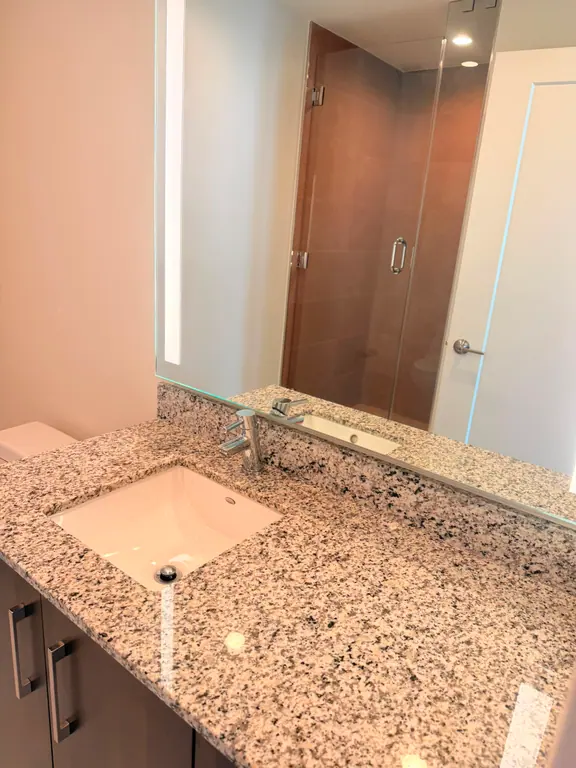
Deep cleaning a house is a thorough, room-by-room reset that goes under, behind, and inside everyday surfaces, not just wiping what is visible. It usually takes 4 to 8 labor hours for a typical three-bedroom home and is scheduled seasonally, before life events, or after long gaps between cleans.
Maybe you already wipe the kitchen counters, vacuum the floors, and clean the bathroom each week. Yet dust remains on the baseboards, the air from an AC vent carries a musty note, and fine grit keeps appearing near the patio door. In a Miami home, humidity, sand, pollen, pets, and constant air-conditioning use can make those hidden deposits return quickly.
Deep cleaning is the reset that routine cleaning cannot provide. It reaches neglected surfaces, removes buildup from reservoirs that stay out of sight, and prepares a home for ordinary maintenance again. This guide will help you decide what belongs in a deep clean, when to schedule it, and whether to handle the work yourself or hire a Miami-Dade cleaning crew.
Table of Contents
- What Deep Cleaning a House Actually Means
- How Deep Cleaning Differs from Standard Cleaning
- What a Real Deep Clean Includes Room by Room
- Why Deep Cleaning Targets More Than Visible Dirt
- When to Schedule a Deep Clean for Your Home
- DIY Deep Clean or Hire a Professional
- Your Deep Cleaning Decision Checklist
What Deep Cleaning a House Actually Means
A Brickell condo can look tidy while still needing detailed attention. The owner may mop weekly and wipe every visible counter, but dust can remain along door frames, grit can collect in sliding-door tracks, and AC vent covers can hold particles that circulate through the living space. Those are not signs that routine cleaning has failed. They show that maintenance cleaning and deep cleaning have different jobs.
Deep cleaning a house means cleaning the entire household more thoroughly, including floors, furniture, and surfaces, instead of limiting the work to visible tidying. The American Cleaning Institute's 2018 national cleaning survey found that 26% of Americans identified with this deeper style of cleaning, while 74% described their approach as light, surface-level cleaning. The same survey reported that 58% most often deep clean in spring, which helps explain why many homeowners connect the service with seasonal resets.
What changes during the visit
A routine visit might vacuum open floor areas, wipe counters, clean toilets, and reset the rooms for everyday use. A deep clean adds work such as:
- Reaching hidden edges: Baseboards, door frames, window tracks, blinds, and the spaces beneath furniture receive direct attention.
- Opening up interiors: Appliance interiors, cabinet fronts, microwave interiors, and refrigerator seals are cleaned rather than left for a later occasion.
- Removing buildup: Grease, soap residue, mineral deposits, tracked-in sand, and settled dust need agitation and appropriate products.
- Detailing high-use rooms: Bathrooms and kitchens usually receive the most attention. The survey found that bathrooms were the most frequently deep-cleaned room at 46%, followed by kitchens at 36%. Living rooms accounted for 10% and bedrooms 7% in that survey.
The timing depends on the home's condition and purpose. A household might book a seasonal reset, arrange cleaning before guests arrive, prepare a property before rental photography, or call after a long gap between cleans. A short-term rental may need the same detailed outcome on a tighter turnover schedule.
Practical rule: If you can see dust on the edges, smell stale air near vents, feel grit in tracks, or remember only the last routine visit, ask for a written deep-clean scope rather than another standard reset.
How Deep Cleaning Differs from Standard Cleaning
The word “cleaning” covers several services that solve different problems. A weekly maintenance clean keeps a home usable. A deep clean restores neglected areas. A move-in or move-out clean prepares an empty property for a change in occupants, while post-construction cleaning deals with fine dust, residue, and job-site debris.
The distinction matters in Miami-Dade because a condo with ocean-facing doors has a different soil pattern from a vacant rental or a recently renovated home. Before booking, compare the purpose of the service with the condition of the property. A helpful comparison of deep cleaning and regular cleaning can clarify why a longer standard visit isn't always the same as a true deep clean.
A practical service comparison
| Cleaning Type | Frequency | Typical Labor Hours | Surfaces Covered |
|---|---|---|---|
| Standard maintenance cleaning | Weekly or biweekly, based on household needs | Varies by home and scope | Visible floors, counters, bathrooms, kitchen surfaces, dusting, and everyday resets |
| Deep cleaning | Seasonal or after a long gap between detailed cleans | A typical three-bedroom home usually takes 4 to 8 labor hours (Care.com guidance) | Baseboards, fixtures, vents, tracks, furniture edges, selected appliance interiors, and room-by-room detail |
| Move-in or move-out cleaning | Tied to a lease or occupancy change | Varies by size, condition, and empty-property scope | Empty cabinets, appliance interiors, wall spot cleaning, floors, fixtures, and areas exposed when furniture is removed |
| Post-construction cleaning | After renovation or construction | Varies by debris, surfaces, and project scope | Fine dust, debris, residue, grout haze, trim, vents, floors, fixtures, and often more than one cleaning pass |
A deep clean isn't automatically a move-out clean. In an occupied home, cleaners may work around furniture and personal belongings. In an empty rental, the team can reach cabinet interiors and areas normally blocked by beds or sofas. Post-construction work is different again because drywall dust, adhesive, paint flecks, and grout residue can require specialized tools and careful surface testing.
Choose by the trigger
Book standard maintenance when the home mainly needs upkeep. Choose a deep clean when neglected zones are visible or the property needs a broad reset. Select move-in or move-out service when another occupant is arriving or leaving. Request post-construction cleaning after remodeling, even if the rooms already appear presentable.
What a Real Deep Clean Includes Room by Room
A dependable scope should let you point to each task and confirm whether it was included. Canes Cleaners describes its residential deep-clean package as a 36-point service, which gives homeowners a more concrete starting point than a promise to “clean everything.” The exact scope should still be confirmed before the appointment, especially for delicate finishes, high ceilings, heavy mold, or appliance interiors.
Start with the forgotten edges
A detailed visit usually begins with surfaces that routine cleaning often skips:
- Upper and lower edges: Baseboards, door frames, the tops of doorframes, trim, and corners are dusted and wiped.
- Fixtures and touchpoints: Light switches, handles, ceiling fans, and reachable light fixtures are cleaned.
- Openings and tracks: Window tracks, blinds, sliding-door tracks, and AC vent covers are vacuumed or wiped according to their material.
- Floor boundaries: Floors are vacuumed and mopped along edges, beneath accessible furniture, and around entry points where Miami sand settles.
In the kitchen, verify the range hood filter, stovetop and drip pans, oven interior, microwave interior, cabinet fronts, sink, appliance exteriors, refrigerator gasket, and dishwasher kick-plate. Grease needs a suitable degreaser and dwell time, while stainless steel and coated surfaces need products that won't leave scratches or cloudy residue. A focused deep cleaning kitchen checklist can help you identify omissions before work begins.
Check wet rooms and living areas
Bathrooms should include grout lines, tile, shower surfaces, exhaust fan grilles, fixture buildup, the toilet base, and the space behind the toilet. Miami-Dade's water conditions can leave calcium deposits on faucets, shower glass, and other fixtures, so ask whether mineral buildup is included or treated as an additional specialty task.
Living areas need upholstery vacuuming, work beneath removable cushions, AC vent covers, fan blades, window ledges, and sliding-door tracks. The laundry room, entryway, garage, and patio also matter because they collect lint, pollen, grit, and tracked-in debris before it spreads indoors.
The finished room should feel reset, not merely polished. Before the team leaves, compare the checklist with the areas you identified during the walkthrough.
Why Deep Cleaning Targets More Than Visible Dirt
A shiny counter doesn't prove that a room is hygienically reset. Household dust is a mixed reservoir that can contain dead skin cells, hair, dust mites, dust mite feces, bacteria, mold, small insects, and textile fibers or other particles. Several of these materials can trigger allergies, which is why removing hidden deposits matters more than making the most visible surface look bright.
In South Florida, settled dust may also mix with pollen, pet dander, and fine sand brought in through balconies, patios, shoes, and open doors. Humidity can leave surfaces damp enough for odors and microbial growth to become more noticeable, while central AC moves air through return grilles and vent covers that may hold accumulated particles.
The cleaning mechanism matters
Wiping a dusty baseboard with a dry cloth can move particles into the air or onto the floor. A more effective sequence removes the source:
- Agitate the deposit: Loosen dust, hair, residue, and grime with a brush, microfiber tool, vacuum attachment, or suitable scrubber.
- Capture the material: Use a vacuum or damp method that collects the loosened particles instead of redistributing them.
- Treat the surface correctly: Apply a product suited to tile, grout, stainless steel, painted trim, upholstery, or another material.
- Finish with removal: Mop, rinse, extract, or wipe away the dissolved residue.
For example, a cleaner might pull an accessible appliance forward to vacuum beneath it, brush debris from a vent cover, or scrub a grout line rather than spraying disinfectant over the top. Disinfectant can be useful in the right situation, but it won't replace source removal when dust and residue remain lodged in a hidden area.
What the evidence supports
Home-intervention evidence indicates that methods combining vacuuming, hard-surface mopping, agitation, and attention to beds, upholstery, carpets, and other dust reservoirs can reduce allergen loads. In one study of 20 U.S. homes, professional hot-water extraction removed up to 97% of surface allergens and 67% of airborne cat allergens, as reported in the published allergen-removal findings. The same evidence also showed that results varied by allergen, so no cleaning method should be presented as a universal cure.
If indoor air remains a concern after cleaning, use the room's size, filtration needs, and HVAC setup to guide equipment research. A practical resource for readers who want to find the best air purifier can help them compare options separately from the cleaning work itself.
When to Schedule a Deep Clean for Your Home
A calendar reminder is useful, but household conditions are more informative than a single universal interval. Miami-Dade homes experience different combinations of humidity, sand, AC runtime, foot traffic, pets, and rental turnover. The right schedule responds to the amount of material entering the home and the number of people affected by it.
Use six household signals
Review these factors before choosing a cadence:
- Pets and shedding: Fur and dander collect on upholstery, rugs, baseboards, and vent covers. A shedding dog creates a different workload from a pet-free condo.
- Children: Young children add crumbs, fingerprints, spills, and floor-level contact with surfaces.
- Allergies or asthma: Dust reservoirs deserve more attention when someone reacts to indoor particles.
- Humidity: Damp bathrooms, closets, and poorly ventilated areas can develop odors or visible growth.
- AC runtime: Long periods of air-conditioning increase the importance of clean return and supply vent covers, filters, and nearby surfaces.
- Short-term rental turnover: A property that changes occupants frequently needs consistent resets, not an occasional spring clean.
The American Cleaning Institute's survey found that 91% of Americans engage in spring cleaning at least every few years, while 76% said they spring clean every year. Seasonal timing is therefore familiar, but it shouldn't override a more urgent trigger such as a new baby, a rental listing, a renovation, or a long vacancy.
A simple frequency self-test
Use this quick decision filter:
- Lower-pressure home: One or two adults, limited indoor traffic, no pets, and no allergy concerns. A seasonal or semiannual reset may be reasonable if routine cleaning remains consistent.
- Moderate-pressure home: A pet, children, frequent guests, noticeable sand, or persistent AC use. Plan more frequent detail work and inspect the kitchen, bathrooms, upholstery, and vents between visits.
- Higher-pressure home: Several risk factors together, an allergy-sensitive resident, recurring humidity problems, or short-term rental turnover. Ask for a customized schedule based on the rooms and surfaces that accumulate material fastest.
The labor can vary substantially. Consumer guidance places a typical three-bedroom home at about 4 to 8 hours, while an average three-bedroom, two-bathroom home may require 8 to 14 labor hours depending on scope and condition (Care.com's deep-cleaning guidance). That range is a reminder to describe the property accurately rather than book from bedroom count alone.
DIY Deep Clean or Hire a Professional
DIY deep cleaning makes sense when the home is small, the surfaces are familiar, and you can work without rushing. You control the products, choose the order, and avoid paying for labor. The trade-off is that a whole-home reset can occupy several full days once you include moving furniture, washing tracks, scrubbing grout, cleaning appliance interiors, and allowing surfaces to dry.
Equipment changes the calculation. A homeowner may need a HEPA vacuum, steam cleaner, extension tools, microfiber cloths, brushes, a ladder, and products for glass, stone, stainless steel, tile, and finished wood. Moving a refrigerator or reaching a high fan also creates physical and safety concerns that don't appear on a checklist.
Compare the real workload
| Factor | DIY Deep Clean | Hiring a Professional |
|---|---|---|
| Time | You supply all planning, setup, labor, drying time, and cleanup | A crew supplies scheduled labor and follows an agreed scope |
| Equipment | You buy, borrow, or rent tools such as extraction or steam equipment | The service brings its listed equipment and supplies |
| Product control | You select every cleaner and can use products you already trust | You confirm the provider's product policy before booking |
| Hidden surfaces | Easy to overlook areas when fatigue sets in | A written checklist can assign responsibility to each zone |
| Physical demands | You move furniture, kneel, climb, scrub, and work around appliances | The crew handles the labor within its safety and access limits |
| Quality control | You inspect your own work | You can walk through the checklist and report missed items |
DIY is often enough for a well-maintained studio or compact condo that needs a focused reset. Professional help becomes more practical for multi-story homes, post-renovation dust, extensive upholstery, allergy-sensitive households, or a short rental gap that leaves little room for error.
Pricing also depends on size, condition, access, and scope. For context, this 2026 cleaning rate breakdown discusses the factors that influence service pricing, but a Miami-Dade quote still needs to match the actual rooms and requested tasks.
Canes Cleaners offers residential deep cleaning services for homes with a defined 36-point deep-clean package. Whether you choose that provider or another local crew, request the written checklist, ask about appliance interiors and vent covers, and confirm whether mold remediation, high windows, heavy grease, or moving large appliances costs extra.
Your Deep Cleaning Decision Checklist
You don't need to inspect every corner tonight. Answer five questions, then match the result to the service and timing your home needs.
Run the five-question filter
How large and accessible is the property?
Count the rooms that need attention, not only the bedrooms. A furnished condo with narrow corridors may require more careful labor than an empty home with the same bedroom count. If furniture blocks floors, tracks, or baseboards, ask how the provider handles access.When was the last true deep clean?
If you can't remember, inspect the baseboards, vent covers, grout, window tracks, and appliance edges. Visible buildup means a standard tidy may not be enough.Who lives there, and what enters the home?
Note pets, children, frequent guests, beach sand, patio grit, and high foot traffic. These conditions point toward more attention on upholstery, entryways, floors, and lower walls.What are the air and moisture conditions?
Check for musty odors near AC vents, condensation, bathroom humidity, dust around returns, or recurring spots on grout and caulk. Visible mold near a vent is a reason to ask about a qualified remediation professional, not just add more spray to a cleaning appointment.What deadline is driving the clean?
A seasonal reset allows planning. Listing photos, a new baby, a move, a post-renovation handover, or a short-term rental turnover requires a scope tied to a specific date.
Know when the decision is clear
Call a professional when you see mold near vents, have post-renovation dust or residue, or face a short-term rental gap shorter than 24 hours. Those situations combine specialized cleaning needs, access pressure, or a deadline that makes trial and error expensive.
For an ordinary Miami home, the practical next step is simple. List the rooms, mark the neglected surfaces, describe humidity and sand exposure, and request a written 36-point or 48-point checklist before booking. That document turns “deep clean” from an unclear label into an agreed scope you can verify.
Canes Cleaners serves Miami-Dade homes, condos, apartments, short-term rentals, and other properties with defined cleaning packages, including a 36-point deep clean and move-in or move-out service. Review the scope, identify the rooms affected by humidity, sand, AC dust, or turnover pressure, and visit Canes Cleaners to request a cleaning plan for your home.