
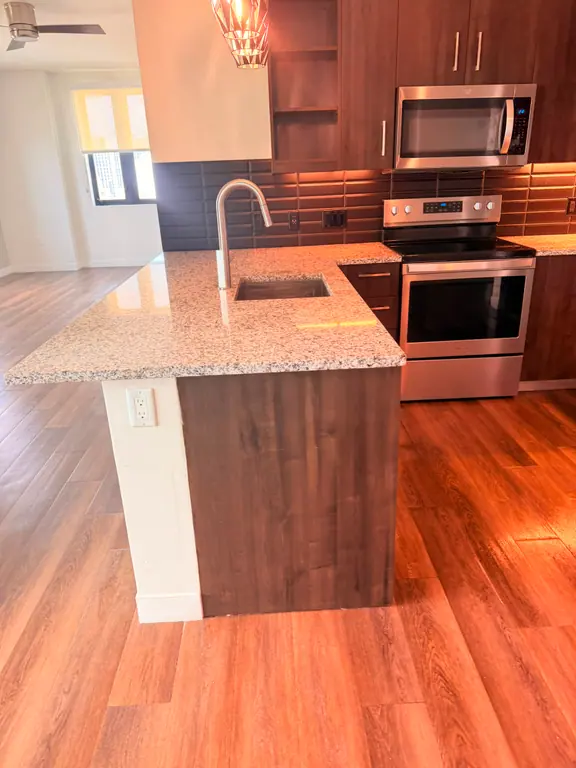
What makes a home feel clean, and what does a residential cleaning visit do? Residential cleaning removes everyday dust, soil, residues, and germs from inside a home. It can be scheduled regularly or booked once for a move-in, move-out, or property turnover.
A fresh scent alone does not mean a home is healthier. Understanding what routine cleaning covers, and how it differs from disinfection, helps you choose work that fits your household instead of relying on fragrance or extra products.
Table of Contents
- What Residential Cleaning Covers Inside a Home
- Standard, Deep and Move-Out Cleaning Compared
- What Each Room Gets in a Residential Clean
- Why Scheduled Cleaning Helps Allergies and Indoor Air
- Cleaning Is Not the Same as Disinfecting
- What to Expect From a Vetted Cleaning Team
- Match Your Household and Confirm Scope Before Booking
What Residential Cleaning Covers Inside a Home
Think of residential cleaning like brushing your teeth rather than renovating your bathroom. You're maintaining something you use every day, not permanently finishing a project. Cooking leaves residue, shoes bring in soil, and normal household activity creates another round of laundry and dusting.
Say you come home to a kitchen with breakfast crumbs, a bathroom with soap residue, and a living room with pet hair. Removing those everyday messes is residential cleaning. Replacing damaged flooring or repairing a leaking shower isn't.
Household work becomes a defined service
The Bureau of Labor Statistics' American Time Use Survey reports that 81% of Americans aged 15 and over performed some household activity on an average day in 2025, while interior cleaning averaged 0.33 hours per day, about 20 minutes. Household activities are a broader category than cleaning alone, so that participation figure shouldn't be mistaken for the share who cleaned their homes.
Professional service turns part of that recurring labor into a defined agreement: which rooms, which tasks, and which visit schedule. Household cleaning may involve laundry and kitchen cleanup, but booking a cleaner doesn't automatically include washing clothes, dishes, or organizing possessions.
Residential work centers on living spaces and their occupants. Offices require a commercial scope, while renovation debris may require a separate post-construction service even when the work happens inside a house.
Practical test: If normal living makes the task necessary again, it's probably household maintenance. If the task repairs damage or changes the building, it belongs to another trade.
The main purchase options are recurring upkeep, a detailed deep clean, and cleaning between occupants. They address different conditions, not different definitions of cleanliness.
Standard, Deep and Move-Out Cleaning Compared
| Service level | Typical frequency | Adds beyond standard | Best for |
|---|---|---|---|
| Standard (routine upkeep) | Weekly to monthly as a starting schedule | Nothing extra; visible dirt, kitchens, bathrooms, floors and dusting | Busy households, apartments, condos |
| Deep clean | One-time reset, or quarterly as a maintenance option | Baseboards, ceiling fans, fixtures, ledges, extra touchpoints | New clients, neglected homes, pet or allergy households |
| Move-in or move-out | At each turnover | Inside appliances, inside cabinets and closets, interior windows and blinds when specified | Renters ending leases, landlords, new occupants |
These are planning options, not mandatory intervals or universal package definitions. A provider's written checklist determines the actual scope.
Standard cleaning maintains an already manageable home. It addresses ordinary mess on accessible surfaces, bathroom fixtures, kitchen work areas, and floors. It generally doesn't provide enough time for hardened grease, extensive scale, or detailed cleaning around every edge.
Deep cleaning addresses accumulated grime and overlooked detail. It requires more deliberate work on areas such as baseboards, fan blades, fixture edges, and ledges. Our explanation of deep cleaning versus regular cleaning can help you distinguish maintenance from a reset.
Choose by condition and purpose
Move-related cleaning prepares a property for handover. An empty home allows access to storage spaces and appliance interiors that occupied-home upkeep may leave untouched. Don't assume the words deep clean automatically include those interiors.
For example, a renter leaving an apartment needs a handover checklist that matches the lease requirements, not merely a tidy-looking kitchen and freshly mopped floors. Cleaning can address the agreed tasks, but it can't guarantee a deposit refund or correct existing damage.
A family with dogs might choose weekly upkeep and schedule a quarterly detail visit as a trial routine. Those intervals are a household decision: adjust them when hair, dust, or bathroom buildup becomes difficult to manage between visits.
Book for the condition the home is in, not just the condition you want afterward.
A home that hasn't been professionally cleaned recently may need a deep clean before recurring maintenance becomes practical. Match the service to the job, then confirm the task list, rather than choosing by the package name alone.
What Each Room Gets in a Residential Clean
| Room | Standard clean | Deep clean adds |
|---|---|---|
| Kitchen | Counters, sink, stovetop and appliance exteriors, floors | Detailed cabinet fronts, backsplash, accessible appliance surrounds; microwave interior if not already included |
| Bathrooms | Toilet, tub or shower, sink, mirror, floors | Grout and tile edges, fixtures, exhaust fan covers, cabinet tops |
| Bedrooms | Dusting, making beds, vacuuming, accessible surfaces | Baseboards, ceiling fans, accessible under-bed dust, closet tops |
| Living areas | Dusting, vacuuming, accessible upholstery surfaces | Detailed upholstery vacuuming, rug edges, vent covers, window sills |
| Laundry | Washer and dryer exteriors, sink, floor | Accessible lint-trap area, dryer vent opening, behind appliances when safely accessible |
Use this as a scope-comparison checklist, not a promise that every company includes every task. Microwave cleaning, for example, may already be part of routine service. Appliance movement, upholstery extraction, and dryer-duct cleaning need explicit agreement rather than assumptions.
Our basic house-cleaning checklist offers another way to compare a room name with the work you need.
Follow the working order
Start with higher surfaces and work downward. Use a microfiber cloth on shelves and ledges, then clean reachable furniture and fixtures before vacuuming or mopping the floor. That sequence avoids dropping dust onto a floor you've just finished.
Give frequently handled surfaces deliberate attention: doorknobs, switches, cabinet handles, counters, faucets, tables, and toilet surfaces. Use separate bathroom cloths so you aren't carrying toilet-area residue into the kitchen.
- Kitchen detail: Grease on cabinet fronts needs a finish-compatible degreaser and careful wiping. Cleaning behind an appliance requires safe access, not just pushing a mop around its front edge.
- Bathroom detail: Work along grout lines and tile edges with a suitable brush. Don't assume dark discoloration will disappear with stronger scrubbing, especially if the material is stained or damaged.
- Living-space detail: Vacuum upholstery seams with an attachment and clean rug edges, rather than treating the visible center of the room as the whole job.
In the laundry area, wiping a reachable dryer opening isn't equivalent to cleaning the entire exhaust duct. Likewise, wiping a vent cover doesn't constitute air-duct cleaning.
Rooms describe where the team works; tasks describe what you're buying. Before approving a quote, check access limits, furniture movement, delicate finishes, and any interiors you expect cleaned.
Why Scheduled Cleaning Helps Allergies and Indoor Air
A room can look orderly while dust remains in rugs, bedding, upholstery, and beneath furniture. Cleaning those reservoirs is different from polishing a tabletop for appearance.
The Environmental Protection Agency's guide to indoor air quality identifies house-dust mites, pollen, and animal dander as biological pollutants that cleaning can reduce, though not eliminate. It also explains that warmth and moisture favor dust mites and that vacuuming can temporarily increase airborne allergens.
Target reservoirs, not just visible dust
A practical household plan combines removal with moisture control:
- Remove settled dust: Use damp wiping on compatible surfaces instead of flicking dust into the air with a dry feather duster.
- Address fabrics: Launder bedding in hot water when its care instructions permit, and include upholstered furniture in the cleaning scope.
- Choose suitable equipment: Use a vacuum with high-efficiency filtration or an externally vented system where available.
- Plan around sensitive occupants: Have allergy-sensitive people avoid the room during vacuuming and return after particles settle or ventilation improves.
Consider a household with a dog and an allergic child. A recurring visit that reaches rugs, upholstery, and accessible under-furniture areas is more useful for their priorities than one devoted mainly to decorative surfaces. Bedding and mattress care also need an explicit plan, rather than an assumption that bedroom cleaning covers them.
For South Florida homes, promptly drying cleaned fabrics and correcting damp conditions are important companions to cleaning. A cleaner can remove accessible dust, but cleaning alone won't fix a leak or persistent moisture problem.
Our guide to how house cleaning improves indoor air quality explains how to connect these tasks to a household routine. Consistency matters because occupants and pets continue using the home, not because any visit can make it permanently allergen-free.
Cleaning Is Not the Same as Disinfecting
A strong clean smell isn't proof of effective hygiene. Fragrance tells you that a scented product was used, not that soil was removed or a disinfectant was applied correctly.
The Centers for Disease Control and Prevention's home-cleaning guidance distinguishes cleaning, which removes dirt, impurities, and most germs, from disinfecting, which kills remaining germs as a separate step. For most household situations, ordinary cleaning is sufficient; illness or vulnerable household members may justify additional disinfection.
Use the least complicated effective approach
Choose the work according to the problem:
- Everyday soil: Remove it with a suitable soap or detergent, water, and wiping or scrubbing.
- Accumulated grime: Allow time for detailed cleaning. A disinfectant doesn't replace grease removal or scale treatment.
- Extra infection concerns: Add targeted disinfection when someone is sick, after relevant exposure, or when an occupant needs additional protection.
Clean visibly dirty surfaces before disinfecting because soil can interfere with the chemical's action. Then apply the disinfectant at the labeled concentration and keep the surface visibly wet for its full contact time. Spraying and immediately wiping it dry may not satisfy those instructions.
Ventilate during product use and wear the protective equipment the label specifies. Never mix cleaning products, particularly bleach with ammonia or acids, and don't add air freshener as a substitute for removing the source of an odor.
For a Miami family caring for a child recovering from flu, focus extra germ control on shared handles, switches, faucets, and bathroom touchpoints. There's no reason to assume every wall, cushion, and decorative object needs the same chemical treatment.
Better evidence than scent: A suitable product, a clean surface, and correct application.
Request fragrance-free options if scents bother anyone in the home. A cleaner-smelling home isn't automatically a healthier one, and disinfection isn't what makes a cleaning service deep.
What to Expect From a Vetted Cleaning Team
A vetted team should make its working standards understandable before entering your home. Ask what personnel screening covers, whether the company carries liability insurance and bonding, and how you can verify the relevant documentation. Don't treat those terms as interchangeable guarantees.
Confirm who brings the vacuum, cloths, floor tools, and products. If you have stone counters, sensitive wood finishes, or product sensitivities, put those details in writing before the visit.
Make the agreement usable
- Before arrival: Clear the surfaces you want cleaned, secure pets, and arrange access to the agreed rooms. Tidying possessions and cleaning beneath them are different jobs.
- During the visit: Expect the team to follow the written scope and report blocked access or work it can't safely complete.
- Afterward: Compare the completed work with the checklist and report missed tasks within the provider's stated reporting window.
Ask how damage claims, cancellations, rescheduling, and missed-task complaints are handled. A re-clean policy, if offered, should explain what qualifies rather than rely on a vague satisfaction promise.
You can also request a consistent team and a named contact, without assuming either is guaranteed. Clear access instructions and a written task list give both the household and the cleaners a practical way to judge the result.
Match Your Household and Confirm Scope Before Booking
Choose priorities around occupancy, pets, allergies, renovation status, turnover deadlines, and whether you need appearance, hygiene, or both. A shared student house needs an agreed division between paid work and residents' chores; a landlord needs a handover-ready interior within the vacancy window.
The Bureau of Labor Statistics' interior-cleaning participation chart reports that 23.4% of people aged 15 and over perform interior cleaning on an average day. Paid help is most useful when it addresses the work your household struggles to complete, not just when it adds another appointment.
Confirm the booking details
- Match tasks to rooms: For a move, check appliance interiors, cabinets, closets, windows, and blinds explicitly.
- Compare equivalent quotes: Use the cleaning rate breakdown from Professional Window Cleaning as a budgeting resource, then compare the actual inclusions rather than headline prices.
- Separate specialist work: Renovation dust, boat cleaning, and commercial premises need their own scopes.
Our core rooms and floors are included across our residential plans; the 48-Point Moving Clean adds appliance interiors, cabinet and closet interiors, and interior windows and blinds.
Unless included in a written proposal, our ordinary cleaning excludes hazardous-material removal, mold remediation, pest treatment, biohazard or bodily-fluid remediation, crime-scene cleanup, structural repair, exterior pressure washing, and work requiring unsafe access or unapproved specialized equipment. Start with a concrete question: What exactly will be cleaned in each room?
Canes Cleaners offers routine residential cleaning, detailed deep cleans, and move-in or move-out cleaning across Miami-Dade County. Visit Canes Cleaners to match your rooms and priorities to the appropriate service and confirm the written scope. For a standard residential clean, online booking is the fastest way to book.