
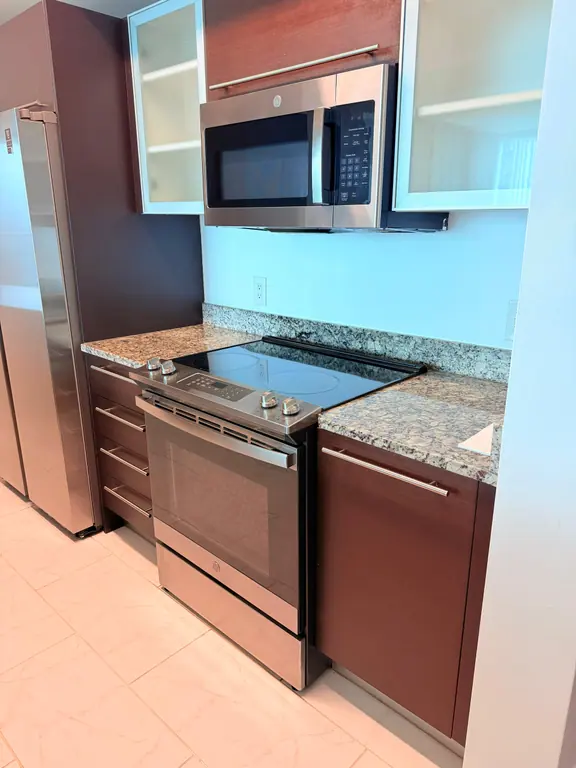
More than half of the domestic refrigerators sampled in a study of 293 refrigerators in Italy's Veneto region exceeded the microbial-count threshold the researchers treated as unacceptable. That reframes a refrigerator cleaning service: the important work happens beneath drawers, inside gasket folds, and around food-contact surfaces, not just on the shiny door. A useful service combines interior hygiene, careful food handling, and a temperature check, with clear boundaries around what cleaning can't fix.
Table of Contents
- Where Microbes Build Up Inside Your Refrigerator
- How Often Households Actually Clean Their Refrigerators
- Choosing the Right Package for Your Refrigerator
- Preparing Your Kitchen
- How Technicians Clean and Sanitize, Step by Step
- Temperature Checks Before and After a Clean
- Confirm the Scope Before You Book
Where Microbes Build Up Inside Your Refrigerator
Liquid spills run downward, drawer tracks catch residue, and the floor beneath vegetable bins can stay dirty while the shelves look presentable. These damp, food-soiled areas deserve attention during a refrigerator clean because an inspection from the open door can miss them.
Access determines what gets cleaned. Wiping around full containers leaves shelf edges, supports, and lower corners untouched. Removing contents and removable fittings exposes deposits that would otherwise remain hidden.
Visible cleanliness isn't the same as hygienic cleanliness. A polished door tells you little about the surfaces beneath the drawers.
Look beyond the open shelf
Use the interior's joints, folds, and low points as an inspection checklist:
- Under drawers: Lift removable bins to expose pooled liquid, crumbs, and sticky deposits. Wiping the bin alone leaves the compartment beneath it untouched.
- Shelf joints and supports: Check around clips, rails, and edges where dried spills collect.
- Door liners and gasket folds: Open the folds gently so cleaning reaches beyond the exposed rubber.
- Lower interior corners: Lift residue away rather than pushing it into seams with a wet cloth.
These surfaces need direct access and deliberate cleaning:
Before booking, confirm that the interior scope covers removing contents, washing removable shelves and drawers, reaching lower surfaces, and applying an appropriate sanitizer where required. Fragrance cannot remove food residue. Include a temperature check in the agreed scope, since appearance alone cannot establish safe storage conditions.
Cleaning is food-hygiene maintenance, not a guarantee against foodborne illness, and cleaning a compartment does not establish that the food inside is safe.
How Often Households Actually Clean Their Refrigerators
People often count a quick spill wipe as cleaning the refrigerator. In a Japanese study of 100 domestic refrigerators, only 17% of respondents reported cleaning monthly or more often, while 50% used only water. Those findings describe that study's participants, not Miami households, but they expose an important distinction between wiping and a complete cleaning process.
Water can lift loose debris, but water alone doesn't sanitize. A dry cloth won't reliably remove sticky food residue, and a disinfecting wipe isn't a substitute for washing a visibly dirty surface.
Plan around use, not appearance
I recommend a monthly wipe-down of accessible interior surfaces, with a full clean involving removed shelves and drawers every few months. That's a practical planning judgment, not a universal sanitation standard. Heavy use, recurring spills, and vulnerable household members justify more attention.
Book sooner when there's a clear trigger:
- A spreading spill: Liquid has reached beneath bins or into shelf supports.
- Persistent odor: Removing the obvious food source hasn't resolved the smell.
- Visible gasket mold: Growth is lodged in folds rather than sitting on an easily wiped surface.
- A change of occupants: An emptied refrigerator needs preparation before someone else stocks it.
- Higher household vulnerability: Infants, older adults, or immunocompromised people make careful maintenance particularly important.
For the rest of the home, our guide to how often you should deep-clean your home helps coordinate appliance work with broader cleaning priorities.
Scheduling advice: Treat a recurring appointment as a backstop, not permission to leave a fresh spill until cleaning day.
The Japanese findings don't establish that cleaning alone controls every foodborne hazard. They support using a repeatable checklist rather than relying on memory or whether the refrigerator smells unpleasant.
For a visual companion to refrigerator-cleaning planning:
Choosing the Right Package for Your Refrigerator
Do you need the outside cleaned, or the inside emptied and cleaned? That distinction matters more than whether a package contains the word deep. A whole-home detail clean doesn't automatically include refrigerator interiors.
At Canes Cleaners, our packages cover different tasks. Choose by the written checklist rather than assuming every appliance surface is included.
Canes Cleaners packages and refrigerator coverage
| Package | Refrigerator coverage | Starting price |
|---|---|---|
| Express Clean | Outside of the refrigerator and its top surface | Starts at $124; confirm the exact price in the booking flow |
| 36-Point Deep Clean | Interior not listed; includes broader detail work such as baseboards, fans, fixtures, and touchpoints | Starts at $199 |
| 48-Point Moving Clean | Inside of the refrigerator, plus the microwave | Instant online quote |
Express Clean is room-by-room upkeep. Its kitchen checklist includes the outside of the oven, dishwasher, and refrigerator, the refrigerator's top, and the outside of the stove hood. It fits a kitchen that needs routine attention, not an interior sanitation project.
Our 36-Point Deep Clean addresses buildup ordinary upkeep leaves behind. Baseboards, fans, fixtures, and touchpoints receive more detailed work, but that shouldn't be read as automatic refrigerator-interior coverage.
The 48-Point Moving Clean includes inside appliances, including the oven, hood, refrigerator, and microwave. It also covers interior cabinets, pantry spaces, closets, interior windows, blinds, vents, and doors, making it the relevant option when keys are changing hands.
Match the checklist to the job
For interior cleaning, select the moving package or arrange a custom scope that explicitly addresses your refrigerator. Interior cleaning and sanitizing are separate scope questions: inclusion of the appliance interior doesn't establish which sanitizing product or procedure will be used.
When comparing providers, Maid in America's move-out cleaning package options are another resource for examining how companies define turnover work. Compare appliance inclusions, not package names alone.
Commercial and specialty work requires a custom quote. Describe the appliance's condition and access needs before booking rather than expecting a residential upkeep package to absorb an unlisted restoration task.
Preparing Your Kitchen
Book a slot when you can manage an empty refrigerator without rushing food back inside. Tell the cleaning team whether the appliance is already empty, whether power will be disconnected, and whether another task will delay reloading.
Move perishables into a cooler with ice or another working refrigerator. Don't spread everything across the counter while you sort cupboards. Keep cold storage available throughout the appointment.
A practical pre-visit routine
- Sort food yourself: Separate spoiled items and anything requiring a safety decision. Tell the technician what you've authorized for disposal.
- Take a baseline reading: Use a standalone appliance thermometer rather than treating the control dial as a measured temperature.
- Clear the work area: Remove bags, stools, and loose items from the approach to the refrigerator.
- Prepare the exterior: Take down magnets, notes, and objects stored on top.
- Flag special concerns: Identify glass shelves, an ice maker, a damaged gasket, or a food recall or allergen concern.
Clearing the approach doesn't mean pulling the appliance out yourself. Water lines, electrical connections, flooring, and built-in cabinetry can make movement unsuitable for an ordinary cleaning appointment.
Access boundary: Interior cleaning doesn't automatically include moving the appliance, opening service panels, or cleaning concealed mechanical components.
Our guide to preparing your home for house cleaning helps with general access and household arrangements. For the refrigerator, prioritize safe food staging and a clear work surface where removable parts can rest without being stacked precariously.
Keep the door closed while you finish preparations. Empty drawers ahead of time only if their contents already have suitable cold storage.
How Technicians Clean and Sanitize, Step by Step
A professional refrigerator clean follows a sequence: remove contents, wash, rinse, sanitize where appropriate, dry, and reassemble. Changing the order creates avoidable problems. Sanitizer applied over food residue isn't a substitute for cleaning, and aggressive scrubbing can damage liners or seals.
The cleaning sequence
Record the starting temperature. Read the appliance thermometer before unloading and note whether the door has already been open. The common mistake is treating a reading taken after prolonged unloading as the refrigerator's normal operating temperature.
Remove contents and separate disposal items. Transfer retained food to prepared cold storage. Set spoiled or moldy items aside for authorized disposal rather than leaving them beside clean containers. Don't let a technician's guess replace the customer's food-safety decision.
Take out removable components carefully. Remove shelves, crispers, and accessible ice trays according to the appliance instructions. Let cold glass warm before washing; putting a cold shelf straight into hot water risks cracking it. Don't force a shelf past an unfamiliar locking tab.
Wash away visible residue. Use hot, soapy water on compatible removable parts and a controlled amount on an appropriate cloth for interior surfaces. A soft nylon detail brush helps with shelf tracks. Avoid flooding controls, lights, vents, or electrical openings.
Rinse with clean water. Use a separate clean cloth and refresh the rinse water when it becomes dirty. Skipping this step leaves detergent behind and makes the sanitizing stage less controlled.
Apply a suitable sanitizer correctly. USDA guidance on removing refrigerator odors specifies 1 tablespoon of unscented liquid chlorine bleach per gallon of water after washing and rinsing. This is a published sanitation method, not a statement that every cleaning company uses bleach. Check product suitability, measure rather than guess, and never mix bleach with acids, ammonia, or other cleaners. Keep the surface wet for the product's specified contact time and follow its food-contact rinse directions.
Detail the overlooked contact points. Clean door liners, gasket folds, shelf supports, accessible drain openings, handles, and controls using material-appropriate methods. Don't push a tool into a drain or dismantle an ice maker without a model-specific procedure and agreed scope.
Dry and inspect before reassembly. Use clean towels where appropriate and allow parts to dry completely. Check for residue, trapped moisture, damaged gasket sections, and obstructed vents. Returning damp drawers and dirty container bases can undo careful work.
Restore normal operation and document the follow-up. Refit parts securely, close the door, and arrange a meaningful temperature verification after cooling stabilizes. An immediate post-clean reading with the door just closed isn't proof of normal performance.
Know the stopping point
Visible mold needs physical removal and an appropriate treatment, not perfume. If growth extends into inaccessible insulation, damaged materials, or components outside the agreed scope, stop and assess rather than promising complete remediation.
Eco Clean Solutions' explanation of how deep cleaning keeps kitchens hygienic provides broader kitchen context. Our deep-cleaning kitchen checklist helps distinguish appliance work from surrounding counters, cabinets, and fixtures.
Thermostat, fan, compressor, and seal replacement belong to an appliance technician. Cleaning staff can identify visible concerns, but they shouldn't diagnose a refrigeration-system fault.
Temperature Checks Before and After a Clean
The refrigerator must hold food cold after the surfaces are clean. The USDA refrigeration guide recommends 40°F (4°C) or below; an extension benchmark identifies 34–38°F as an ideal operating range. A service record should distinguish the normal starting reading from readings affected by open doors or interrupted power.
A thermostat setting is an instruction to the appliance, not proof of the temperature around the food. Use a standalone appliance thermometer and allow the unit to return to normal operation before interpreting the follow-up.
Refrigerator temperature reference values
| Reference | Value | How to use it |
|---|---|---|
| USDA recommended maximum | 40°F (4°C) or below | Record the reading before cleaning and after normal operation resumes |
| Extension ideal range | 34–38°F | Use as a planning benchmark, subject to appliance instructions |
| Scottish survey average | 5.17°C, measured in the 2025 Food Standards Scotland refrigerator survey | A reminder to measure conditions instead of relying only on settings |
| Japanese study improper-temperature threshold | Warm enough to fall outside the study's acceptable classification | Flag warm areas for review; don't use a study cutoff to replace domestic food-safety guidance |
The Scottish average describes the surveyed refrigerators, not a target setting. Households in that survey ran warmer than the recommended maximum, which is exactly why a thermometer reading matters more than the dial position. Likewise, the Japanese study's classification isn't an alternative household operating recommendation.
Interpret a warm reading carefully
A warm reading immediately after cleaning may reflect door-open time. A persistently warm refrigerator after normal operation resumes needs further attention. Document the reading and circumstances so the customer can assess food storage rather than assuming a clean compartment has corrected the problem.
Check for packages blocking vents, drawers preventing closure, and visible gasket obstruction. These are physical causes a technician can spot and correct during the same visit. In Miami kitchens, frequent door opening and warm surroundings make a thoughtful recovery check particularly useful.
A fresh smell is not a cooling-performance test.
Don't turn the control to its coldest position and declare the problem solved. Excessively cold settings can freeze susceptible foods and increase energy use; the practical objective is stable, appropriate storage. If the appliance can't maintain it, arrange appliance service rather than another cleaning appointment.
Confirm the Scope Before You Book
The most valuable booking detail is a written refrigerator scope. It should identify the surfaces included, the food-staging arrangement, and the boundaries around removable parts and appliance components.
Food handling deserves a direct answer. The CDC refrigerator-cleaning guide says refrigerated food shouldn't remain out for more than two hours, advises letting cold glass shelves reach room temperature before washing, and recommends wiping food containers before returning them.
Questions worth settling in advance
- Food staging: Where will perishables stay cold if the cleaning takes longer than expected?
- Container handling: Who wipes sticky jars, leaking packages, and container bases before reloading?
- Chemical selection: What product will be used, what requires rinsing, and is it suitable for the appliance's materials?
- Component boundaries: Are accessible ice bins included, and does the scope exclude internal ice-maker plumbing and dismantling?
- Disposal authority: Which items may the technician discard, and which decisions remain yours?
Stronger-smelling products don't establish better sanitation. Solvents, abrasives, and unsuitable fragrances can leave residues or damage finishes. For another perspective on product selection, Gmaids' discussion of fragrance-free appliance cleaning in Dallas is a useful comparison when deciding what you want near stored food.
Put the service promise in writing
Our 48-Point Moving Clean comes with a 24-hour re-clean promise. Keep the agreed checklist and clarify how to raise a missed cleaning item; that promise doesn't turn a cleaning appointment into an appliance repair service.
Choose the package whose inclusions match the actual job. If you're unsure which clean fits, call 786-882-6923 for help choosing. A sound booking decision separates surface hygiene, food-safety decisions, and mechanical faults instead of treating them as the same problem.
Canes Cleaners offers exterior refrigerator upkeep through Express Clean and refrigerator-interior cleaning through the 48-Point Moving Clean, with customizable scopes for specific priorities. Visit Canes Cleaners to choose your package and explain your refrigerator's condition, food-staging needs, and interior-cleaning requirements before booking.