
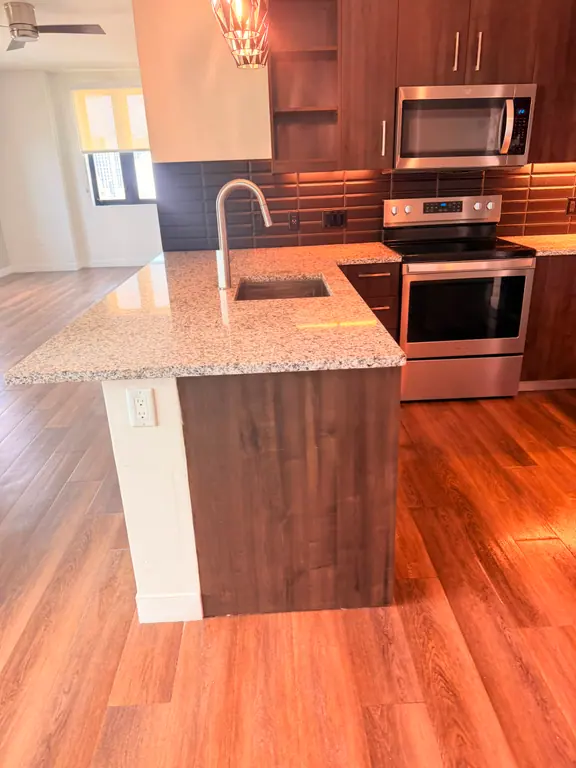
Interior post-construction cleaning in Miami-Dade typically runs about $0.20 to $0.60 per square foot, with disposal fees added separately when construction debris must be hauled away. A 2,000-square-foot property could therefore start around $400 to $1,200 for interior cleaning, before adjustments for residue, access, windows, multiple stories, or waste handling.
The contractor has handed you the keys after a kitchen remodel or full-home renovation. The cabinets are installed, the floors look finished, and the trades have left, but the property still feels like a job site. Fine drywall dust sits in window tracks, adhesive clings to glass, and scraps or packaging remain near the entrance.
That's where homeowners discover that post construction cleaning cost isn't the same as ordinary housecleaning. The final bill depends less on spray bottles and more on labor time, cleaning phase, site condition, access, and whether debris removal is included. A low square-foot quote can become expensive when the proposal leaves out the work that makes a property move-in ready.
Table of Contents
- Why Post Construction Cleaning Cost Feels Unpredictable
- Main Post Construction Cleaning Cost Drivers
- How Post Construction Cleaning Phases Affect Price
- Sample Miami-Dade Post Construction Cleaning Estimates
- Hidden Costs Most Homeowners Overlook
- How Service Levels Influence Post Construction Cleaning Cost
- How to Get an Accurate Post Construction Cleaning Quote
Why Post Construction Cleaning Cost Feels Unpredictable
The builder has finished, yet the house still carries the cost of the job. A light final detail may follow complete debris removal. Another property with the same floor area may need repeated passes for drywall dust, paint specks, window residue, and marked trim.
Interior post-construction cleaning commonly falls between $0.20 and $0.60 per square foot, according to post-construction cleaning pricing guidance. Treat that range as a starting point, not a promise. The final price depends on whether the crew is handling broad dust removal, fine detailing, or both.
Labor drives the quote
Supplies affect the invoice, but labor hours usually control it. A U.S. cost analysis found that labor typically represents about 90% of the total post-construction cleaning bill, while newly built homes averaged approximately $0.25 per square foot in that analysis (HomeAdvisor cost data).
A 2,000-square-foot home at $0.25 per square foot implies about $500 before adjustments. Staircases, limited parking, multiple levels, heavy residue, extensive windows, and unfinished trade work can push the quote higher.
Project rule: Square footage starts the estimate. Site condition determines whether the estimate survives contact with the property.
The rough clean and final clean are different scopes. A rough clean removes larger debris and prepares the property for finishing work. A final clean targets dust in tracks, cabinets, trim, and finished surfaces. Compare that scope with the deep cleaning service price only after confirming which construction residue the service includes. In Miami-Dade, disposal fees can also appear separately when the crew hauls away materials, packaging, or other job-site waste.
Main Post Construction Cleaning Cost Drivers
Square footage is the baseline, but it isn't the quote. The crew must price the amount of work required to make each room usable, presentable, and safe for occupancy.
Dust and residue
Fine drywall dust is a major productivity problem. It settles on horizontal surfaces, enters window channels, coats cabinet interiors, and can require more than one vacuuming and wiping pass. Paint flecks, grout haze, silicone, labels, protective film, and adhesive residue take even longer because the cleaner must use the right technique for each finish.
A crew that rushes this stage can scratch glass, spread dust across clean rooms, or damage delicate flooring. Professional pricing should account for filtered vacuums, microfiber work, detail tools, and the time needed to lift residue rather than smear it.
Windows and finished details
Windows often look clean from across the room while construction dust remains in frames, sashes, sills, and tracks. Interior glass may be part of the core scope, but exterior glass, high-reach work, and difficult access can require separate pricing.
Baseboards, light fixtures, cabinet faces, cabinet interiors, plumbing fixtures, doors, trim, and floors create the same issue. Each item may seem small, but hundreds of small details can dominate the labor hours.
Layout and access
Two properties with the same floor area can price differently if one is a single-level condo with easy loading access and the other is a multi-story home with stairs, tight parking, or long equipment paths. Crews lose productive time when they must carry vacuums, buckets, bags, and equipment through restricted routes.
The estimate should identify elevators, parking limitations, protected walkways, occupied rooms, and whether other trades remain on site. If you need a broader explanation of sorting and disposing debris, use a resource that separates cleanup labor from waste handling.
Debris removal
Packaging, scraps, drywall pieces, flooring remnants, and oversized materials can change the quote substantially. Cleaning crews may bag and stage waste, while a contractor, hauler, or disposal provider handles transportation and tipping. Those are different tasks with different costs.
Ask whether the proposal covers only surface cleaning or includes bagging, loading, hauling, and disposal. A low quote that excludes all waste movement isn't necessarily cheaper. It may just be incomplete.
How Post Construction Cleaning Phases Affect Price
A quote can look cheap until the contractor separates rough cleaning from the final clean. If trades are still working or the punch list remains open, calling every visit a “final clean” hides the work still needed and makes the budget unreliable.
Rough cleaning
Rough cleaning controls the job site first. Crews remove bulk debris, packaging, heavy dust, and obvious construction residue, clear walking paths, and prepare finished areas for detailed work. Pricing commonly falls around $0.15 to $0.40 per square foot, according to phase-based cleaning estimates.
That pass makes the property workable, not move-in ready. It does not remove every mark from glass, detail cabinet interiors, or polish the small finished surfaces that buyers notice.
Final cleaning
A common mistake is ordering only a rough clean while expecting a buyer-ready or move-in finish. The result is predictable: the property looks less dusty, but windows may still show residue, cabinets need detailing, and trim can hold fine particles.
Final cleaning covers glass, frames, fixtures, cabinets, trim, floors, doors, baseboards, and other finished surfaces. The work is slower because crews repeat precise tasks across many rooms. Available benchmarks place final or touch-up work around $0.20 to $0.60 per square foot.
Treat the final clean as a separate scheduled phase, not an automatic part of a low rough-clean quote.
Touch-up cleaning
Touch-up work follows inspections, punch-list corrections, or late trade activity. A door adjustment, paint repair, new switch plate, or re-caulked seam can put dust back onto surfaces that were already cleaned. Schedule the final detail after the punch list closes whenever possible.
A written post-construction cleaning checklist should identify whether the proposal includes a rough pass, final pass, touch-up, or combination. For new-build handoffs, real estate AI for new construction can help organize walkthrough observations, but it does not replace a room-by-room cleaning scope. In Miami-Dade, confirm whether disposal and waste handling are included before accepting the quote, because those charges can turn a low initial price into a larger final bill.
Sample Miami-Dade Post Construction Cleaning Estimates
A low quote can look reasonable until the scope adds cabinet interiors, adhesive on glass, or a final pass after trades leave. These examples show how the estimate changes when those drivers are included. The final price still depends on residue, access, windows, flooring, and debris condition.
A 1,000-square-foot kitchen and bathroom remodel starts with a base interior-cleaning rate of $0.25 per square foot, or $500. If cabinets require interior detailing and adhesive must be removed from glass, add roughly 20% to 30% for the extra labor. That puts the cleaning portion around $600 to $650, assuming the contractor has already removed large debris. If disposal, difficult parking, or a separate final clean is required, those charges belong outside this base.
A 2,000-square-foot full renovation carries more exposure. Multiple stories, extensive windows, fine dust in unaffected rooms, occupied areas, and limited parking increase setup and detail time. Production planning commonly places a standard clean for this size at roughly 15 to 25 worker-hours. Use that labor range to test the quote, then check whether the listed price includes rough cleaning, final cleaning, or both.
| Project Type | Square Footage | Labor Hours | Estimated Cost Range | Key Cost Drivers |
|---|---|---|---|---|
| Smaller remodel | 1,000 sq. ft. | Scope-dependent | About $500 base, or $600 to $650 with added detailing | Cabinet interiors, adhesive on glass, windows, debris already removed |
| Larger full renovation | 2,000 sq. ft. | Roughly 15 to 25 worker-hours | Scope-dependent interior quote | Fine dust, multiple stories, windows, flooring mix, access, occupied areas |
These figures cover interior cleaning, not Miami-Dade disposal or hauling. Require separate line items for bagging, loading, transport, tipping, and special handling. A contractor who combines those costs with cleaning makes comparison difficult.
For presentation-sensitive properties, schedule photography only after the final detail. Homeowners can also review professional photo prep by Pinnacle Property Media before preparing the renovated property for listing.
Hidden Costs Most Homeowners Overlook
The most dangerous phrase in a cleaning proposal is “post-construction cleanup” with no scope attached. It can mean a crew wipes interior surfaces after someone else removes the waste. It can also mean bagging, loading, transportation, tipping, and special handling. Those are not equivalent services.
Disposal isn't a minor add-on
Miami-Dade's official fee schedule shows why disposal needs its own line item. The county lists contract disposal at $78.56 per ton, non-contract disposal at $119.51 per ton, an additional transfer fee of $17.20 to $17.86 per ton, and a $90.67 per-load surcharge for solid waste requiring special handling (Miami-Dade disposal fees).
These figures are disposal schedule charges, not a complete hauling quote. The customer may also be paying for labor to collect, bag, load, transport, and manage the material. Waste classification matters too. Drywall, flooring, packaging, paint-related waste, and oversized debris may not follow the same handling path.
Ask the estimator to answer these questions in writing:
- Cleaning scope: Which rooms, surfaces, windows, fixtures, cabinets, and floors receive service?
- Debris work: Does the price include bagging, loading, transportation, tipping fees, and special handling?
- Responsibility: Who controls disposal, and who decides whether material requires special handling?
- Access: Are parking, stairs, elevators, loading paths, or restricted hours included?
- Follow-up: Is a touch-up visit included if trades return after the final clean?
A national square-foot figure can look attractive because it excludes the messiest part of the job. That isn't necessarily deceptive, but a contractor or cleaner who refuses to separate cleaning from disposal is giving you a quote you can't compare properly.
The EPA's construction and demolition debris data provides the broader context. Construction and demolition activities generated approximately 600 million tons of debris in 2018, with just under 145 million tons sent to landfills. Those figures concern national waste flows, not the price of one home, but they show why debris handling deserves separate treatment from surface cleaning.
Here's the practical test: if the proposal says “remove debris” but doesn't explain how much, where it goes, or who pays the disposal charges, request a revised estimate before booking.
How Service Levels Influence Post Construction Cleaning Cost
A standard housekeeping package isn't automatically suitable for a renovation. The right service depends on whether the property has ordinary dust, detailed surface residue, occupant turnover needs, or genuine job-site debris.
Standard cleaning
A standard clean handles routine rooms and surfaces in an already-maintained property. It can work after a very light project where trades removed waste, isolated the work area, and left little residue. It usually isn't enough for drywall dust in tracks, adhesive on glass, cabinet interiors, or repeated floor passes.
Detailed and deep cleaning
A 36-point deep clean extends attention to high-touch surfaces, fixtures, and interiors. That makes it a reasonable fit for a lighter post-renovation project when the builder has already controlled debris and the remaining work resembles intensive detail cleaning.
A 48-point move-in or move-out clean focuses on resetting a property between occupants. It can suit a finished home that needs a broad interior reset, but it shouldn't be confused with specialized construction cleanup if residues and job-site materials remain.
Specialized post-construction cleaning
A dedicated post-construction service addresses the conditions that ordinary packages aren't designed to handle, including fine dust, construction residue, detailed floors, and remaining job-site contamination. The service level should match the property's handoff stage, not the homeowner's hope for the lowest price.
Canes Cleaners offers standard, 36-point deep, 48-point move-in/move-out, and post-construction services for residential and commercial properties in Miami-Dade. Its post-construction option is the relevant comparison when dust, residue, and construction debris define the job. The important decision is not which package sounds cheapest. It's whether the checklist matches the condition of the property.
Scope test: If the crew needs construction equipment, residue removal, repeated dust passes, or debris coordination, don't book ordinary housekeeping and expect post-construction results.
How to Get an Accurate Post Construction Cleaning Quote
You'll get a reliable estimate when you give the cleaner enough information to price labor before arrival. A square-foot figure alone isn't enough.
Send photos or arrange a walkthrough, then provide:
- Cleaning phase: State whether you need rough cleaning, final cleaning, touch-up work, or more than one phase.
- Property size: Give the cleanable square footage and identify multiple floors or detached areas.
- Room count: List bathrooms, kitchens, cabinets, closets, and rooms affected by the renovation.
- Windows and surfaces: Identify window quantity, glass condition, flooring types, trim, fixtures, and built-ins.
- Debris status: Say whether large materials are gone, bagged, staged, or still scattered through the property.
- Access conditions: Explain parking, elevators, stairs, protected corridors, loading restrictions, and occupied rooms.
- Schedule: Confirm when trades leave and when the punch list closes.
Then demand an itemized proposal. The cleaning labor line should be separate from consumables, equipment, access charges, debris loading, transportation, disposal, and special handling. If a company offers only one total with no scope, you can't tell whether you're comparing two equivalent bids.
Ask direct questions before accepting:
- How many workers are included, and how are labor hours estimated?
- Which windows and window components are included?
- Are adhesive, paint specks, protective film, and grout residue included?
- Who removes oversized debris?
- Are disposal and special-handling charges included or billed later?
- What happens if trades return after the final clean?
- Are products suitable for the installed flooring, stone, glass, and fixtures?
- Does the company perform a satisfaction check after service?
Don't schedule the final clean while trades are still creating dust. Book the rough pass after bulk debris leaves, close the punch list, then schedule final detailing. That sequence protects the work you already paid for and gives the cleaner a stable scope.
For Miami-Dade homeowners and contractors, Canes Cleaners' post-construction cleaning service is one option to evaluate against other itemized bids. Compare the checklist, phase, labor assumptions, and disposal terms, not just the headline rate.
If your renovation is finished but the property still has construction dust, residue, or job-site debris, request a scope-based estimate from Canes Cleaners. Their Miami-Dade post-construction service can be matched to the cleaning phase, rooms, surfaces, and handoff requirements, with the quote clarified before work begins.