
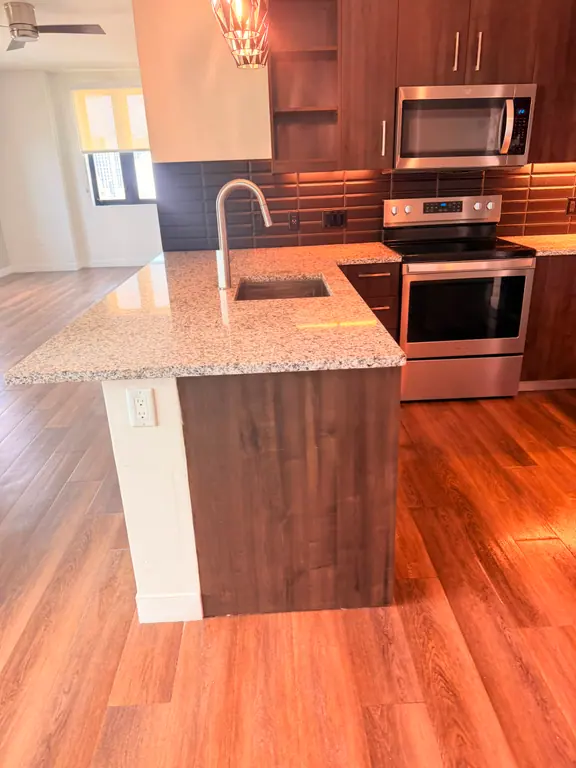
You're standing in a Miami kitchen with a sticky counter, a damp bathroom mirror, and a bottle of something that smells like peppermint. The question isn't whether it smells clean. It's whether that spray will help in a humid home where mildew, pet messes, and guest turnovers show up fast.
Peppermint cleaning spray has a place in a Miami-Dade cleaning routine, but it's a routine cleaner and deodorizer, not a miracle product. Use it for light upkeep, odor control, and quick wipes. Don't ask it to do the work of a disinfectant, a mold treatment, or a deep-clean system, because it won't.
Table of Contents
- What Peppermint Cleaning Spray Is
- The Three Benefits People Claim and What the Chemistry Delivers
- Reading the Label Before You Trust the Scent
- DIY Peppermint Cleaning Spray Recipes and Dilution Guidelines
- Pet Safety and Surface Compatibility You Should Not Skip
- DIY Bottle Versus Commercial Product Versus Professional Cleaning
- Miami-Dade Use Cases for Homes, Rentals, and Boats
What Peppermint Cleaning Spray Is
A lot of people shop for peppermint cleaning spray like they're buying one magical bottle. They're not. They're usually choosing between a surface cleaner, a fragrance spray, and a product that only looks like a cleaner because it smells fresh.
How to read the category fast
In a Miami kitchen, the fastest way to judge a peppermint spray is to read the first few ingredients, not the scent description. If water leads the list and peppermint oil shows up beside surfactants, you are looking at a maintenance cleaner. The job is light soil removal, odor control, and a fresh finish, which is exactly what many households need between deeper cleanings. One minimum-risk spray SDS shows that structure clearly, with water at 89%, peppermint oil at 2.2%, and isopropyl alcohol at 4.5% (source).
That is the right use case for humid homes, pet households, and short-term rental turnovers. Use it on counters, sink fronts, tile, and other non-porous surfaces when you want a quick wipe that leaves the room smelling clean. It does a decent job in the spaces that get touched every day and look tired fast.
Practical rule: if the label says “freshens,” “deodorizes,” or “all-purpose,” treat it like maintenance. If it says “disinfects” or makes kill claims, make sure it is a registered disinfectant and not peppermint-scented water.
What it is not
Peppermint spray is not a degreaser by default, and it is not a disinfectant by default. The cleaning action usually comes from the surfactants, the solvent, and the pH support, not from the scent oil itself. One all-purpose peppermint spray formula uses plant-derived surfactants, sodium carbonate, ethanol, and citric acid, which shows where the work is happening.
That distinction matters in Miami bathrooms, mold-prone shower areas, and boat interiors. If a product does not have the chemistry to match the job, it is only a pleasant-smelling wipe-down. That is fine for daily upkeep, but it will not handle grime buildup, mildew staining, or a rental reset that needs to look fully cleaned.
The Three Benefits People Claim and What the Chemistry Delivers
Peppermint spray usually gets sold with three promises. It is supposed to kill germs, eliminate odors, and keep pests away. In a real Miami-Dade home, only one of those is a solid reason to keep it under the sink.
Antimicrobial claims
Peppermint chemistry can interact with microbial membranes, but that does not make it a registered disinfectant. The cleaning action in these products comes from the full formula, not the scent alone. An expert summary of peppermint chemistry reports menthol at 30–55%, menthone at 14–32%, and limonene at 1–5%, while also noting that those components do not support regulatory disinfection claims (source). That is the line marketing often blurs.
For a Miami homeowner, the recommendation is simple. Use peppermint spray for light surface cleaning and for the cleaner smell it leaves behind. Use a proper disinfectant when you need kill claims in mold-prone bathrooms, post-guest turnovers, or anywhere a real sanitation step matters. If you want a stronger oxidizing cleaner for a different job, use a purpose-built product such as a hydrogen peroxide cleaner like the one discussed in this guide to hydrogen peroxide cleaning.
Odor control
Peppermint spray earns its place here. The scent is strong enough to cover stale trash can odor, sink smell, and bathroom funk without turning the room into a chemical cloud. In a humid Miami apartment, that matters because odor hangs around after the visible mess is gone.
Use it after a quick wipe-down, not instead of one. If the drain smells, the trash is overdue, or the shower still has soap scum, the spray only masks the problem for a short while.
Pest repellent support
Peppermint does get some credit for pest support, especially around entry points and routine barrier spraying. Treat that as a helper, not a fix. A spray can make doors, baseboards, and exterior thresholds less inviting, but it will not replace pest control or shut down an active problem on its own.
That matters in Miami-Dade, where humidity, crumbs, pet bowls, and sliding doors give bugs plenty of chances. Peppermint spray can fit into a prevention routine for homes, short-term rentals, and even boat interiors, but it is not a stand-alone answer. Use it to support cleaning and scent control. Use a real pest plan when insects are already showing up.
Reading the Label Before You Trust the Scent
A peppermint bottle can smell clean and still do very little. In Miami-Dade, that matters because people buy these sprays for bathrooms that stay damp, for short-term rental resets, for pet areas, and for boat cabins where odor comes back fast. The label tells you whether the product has any real cleaning work behind the scent.
What the ingredient order tells you
Start with the first ingredients, not the marketing copy. In peppermint cleaning formulas, water often comes first, then a small cleaning system built from surfactants, ethanol, citric acid, sodium carbonate, or a little alcohol support. Peppermint oil usually sits low in the list because it mainly adds scent and a light cleaning assist, as noted earlier in the product safety sheet.
Here's the practical read on that formula:
| Typical Peppermint Cleaning Spray Formula Breakdown | ||
|---|---|---|
| Ingredient Group | Approximate Share | Functional Role |
| Water | Majority of the formula | Base and carrier |
| Peppermint oil | Small fraction | Scent, odor support, light membrane interaction |
| Surfactants | Small fraction | Lift soil and help spread product |
| Alcohol or ethanol | Small fraction | Solvent support and faster drying |
| Citric acid or sodium carbonate | Small fraction | pH adjustment and cleaning support |
That structure is normal. If a bottle acts like peppermint oil is doing all the cleaning, it is overselling the chemistry. The primary work comes from the full formula, not the fragrance alone.
A simple way to judge the bottle
Read the bottle like a cleaner, not like a shopper chasing a nice smell. First, look for a real cleaning base, not just fragrance and water. Second, confirm that the product is meant for surfaces, not only air freshening. Third, check for clear directions on non-porous areas like tile, sealed counters, and fixtures.
My rule in Miami: if the label stays vague, the product is probably weak. If the use directions are specific, the bottle likely has a real cleaning system behind it.
That matters in humid homes, rental turnovers, and boat interiors where people reach for peppermint spray to cover odor fast. A good bottle helps with cleaning and freshness. A weak one just smells convincing for a short while.
DIY Peppermint Cleaning Spray Recipes and Dilution Guidelines
A homemade peppermint bottle can be useful, but only if you treat it like a light-duty maintenance tool. Don't overdo the oil. A little goes a long way, and heavy concentrations can leave residue or irritate sensitive people and pets.
Three practical mixes that actually make sense
For a daily multi-surface spray, mix water with a tiny amount of castile soap and a modest dose of peppermint oil. That gives you a light cleaner for counters, table tops, and quick wipe-downs. For a bathroom spray, people often use a stronger acid-based mix for mineral buildup and smell control, but only on compatible surfaces. For a trash-area deodorizing spray, keep the formula light and use it as a scent and cleanup support tool, not as a disinfectant.
The exact recipe depends on the surface, and that's where Miami homes need judgment. If you're cleaning a condo with polished fixtures or a rental with mixed finishes, start weak and test first. The product should help the cloth glide and the room smell fresher, not leave a slick film.
Safety rules before you spray
Pet and surface safety are the part most DIY posts skip. That's a mistake. General guidance from the ASPCA and veterinary sources warns that essential oils can irritate or harm pets, especially cats, so don't spray directly on bedding, paws, or fur, and don't use the bottle in a way that lets pets lick wet surfaces soon after application (source).
Use ventilation every time. Open a window if you can. Keep the bottle off stone, waxed wood, and painted surfaces until you patch test. For a practical recipe library that's aimed at home use, the guide to peppermint oil for retailers is useful background, but I'd still keep the concentration modest for real households.
Here's the short version:
- Use distilled or filtered water if your tap water leaves residue.
- Shake before every use because oil and water separate.
- Label the bottle with the date so you don't keep stale mix around forever.
- Patch test first on any finish you care about.
If you want a greener routine, pair a DIY bottle with a broader eco-cleaning system instead of relying on peppermint alone. A useful starting point is this eco-friendly house cleaning guide, because the formula matters less if the rest of the process is sloppy.
Pet Safety and Surface Compatibility You Should Not Skip
A lot of people buy peppermint spray because it sounds natural. That word doesn't mean safe for every pet, every surface, or every room. In Miami homes, that distinction matters because pets spend more time indoors, and high-humidity rooms make residue and irritation more noticeable.
Where pets change the decision
Cats need the most caution. Essential oils can be harder on them than many owners expect, so don't spray peppermint where cats sleep, groom, or brush against damp surfaces right away. Dogs need caution too, especially smaller dogs and any pet with respiratory sensitivity. The safest move is simple, keep pets out of the area while you spray, ventilate the room, and let the surface dry fully before they return.
That's why the blanket phrase “pet-safe” bothers me. It's too vague. If a bottle doesn't give you clear guidance for pets, treat it as a human-use cleaner first and a pet-area product only with care.
For broader pet-safe pest guidance in South Florida homes, the Miami pet safe pest control guide is worth reading because peppermint spray should fit into a larger household strategy, not stand alone.
Where surfaces change the decision
Glass, sealed wood, and tile are usually the easiest surfaces to work with. Natural stone, unsealed wood, waxed finishes, and painted walls are the ones that make me slow down. Oil residue can show up on glossy finishes, and acidic or essential-oil blends can affect more delicate materials.
Use this as your rule set:
- Choose it for sealed, wipeable surfaces where light cleaning is the goal.
- Test it first on anything porous, delicate, or expensive.
- Skip it entirely if you're not ready to patch test and wait for full drying.
If you want the safe answer in a home with pets and premium finishes, a commercial product with clear surface directions is usually the better choice. If the room is large, the soil is heavy, or the materials are fussy, call a professional crew instead of gambling with a homemade bottle.
DIY Bottle Versus Commercial Product Versus Professional Cleaning
A bottled peppermint spray is the right choice for some jobs and the wrong choice for others. In a Miami-Dade household, the decision usually comes down to how much grime you're dealing with, how many people use the space, and how fast the space has to turn over.
Pick the right tool for the job
Use a DIY bottle for between-visit maintenance. That's your quick counter wipe, trash-area freshening, bathroom touch-up, and light daily reset. Buy a commercial peppermint product when you want predictable ingredients, clearer directions, and less guesswork around dilution and storage.
Book a professional cleaning service when the place needs a real reset. That includes heavy bathroom buildup, post-renovation dust, move-outs, or any situation where the job is too big for a spray bottle and a microfiber cloth. A service like Canes Cleaners residential cleaning service fits the homes that want a cleaner, fresher result without turning the owner into the lead labor.
The Miami reality
A Coconut Grove family with a toddler and a dog doesn't need peppermint spray to do everything. They need a safe maintenance tool between deeper cleanings. A Miami Beach host with a short-term rental needs consistency first, fragrance second, because guests notice fingerprints, bathroom grout, and kitchen film faster than they notice scent.
A boat is its own category. Salt, moisture, and cramped interiors punish lazy cleaning. Peppermint spray can help with odor and light wiping, but it won't replace a proper boat cleaning routine, especially when surfaces need controlled care and a tighter finish standard.
My recommendation: use peppermint spray as maintenance, not as a replacement for scheduled deep cleaning.
That rule saves money and frustration. It also keeps expectations honest.
Miami-Dade Use Cases for Homes, Rentals, and Boats
In Miami-Dade, the best peppermint cleaning spray plan depends on the space, not the bottle. A family home, a vacation rental, and a boat all need different rhythms, even if they all benefit from a fresh scent and light wipe-down support.
Three local scenarios
A Coconut Grove home with a dog and toddler needs a very light DIY bottle, used only on sealed surfaces and only when pets are out of the room. Keep it focused on kitchen counters, entry touchpoints, and bathroom sink fronts, then let a deeper service handle the places where grime hides. For a household like that, routine maintenance matters more than fragrance.
A Miami Beach short-term rental should lean on a commercial cleaner for predictability between guest stays, then pair that with turnover cleaning before arrivals. Hosts who want cleaner operations can also lean on a structured checklist like vacation rental success with hostAI, because peppermint spray is only one piece of a smooth turnover system.
A boat moored in Biscayne Bay needs very careful surface choices. Use the spray lightly on wipeable interiors and never as a catch-all for every material on board. Humidity and salt make residue more obvious, so the safest play is conservative use and regular professional attention.
If you want the practical version, here it is. Use peppermint spray between visits for odor control and light upkeep. Use a commercial product when you want consistency. Bring in professionals when the space needs a deep reset, a turnover, or a finish-level clean that a spray bottle can't deliver.
If you want your Miami home, rental, or boat to look clean instead of just smelling clean, book with Canes Cleaners. They handle express cleanings, deep cleans, move-in and move-out resets, and turnover jobs across Miami-Dade with eco-friendly products and detailed checklists. For the spaces where peppermint spray is only a stopgap, they're the crew to call.