
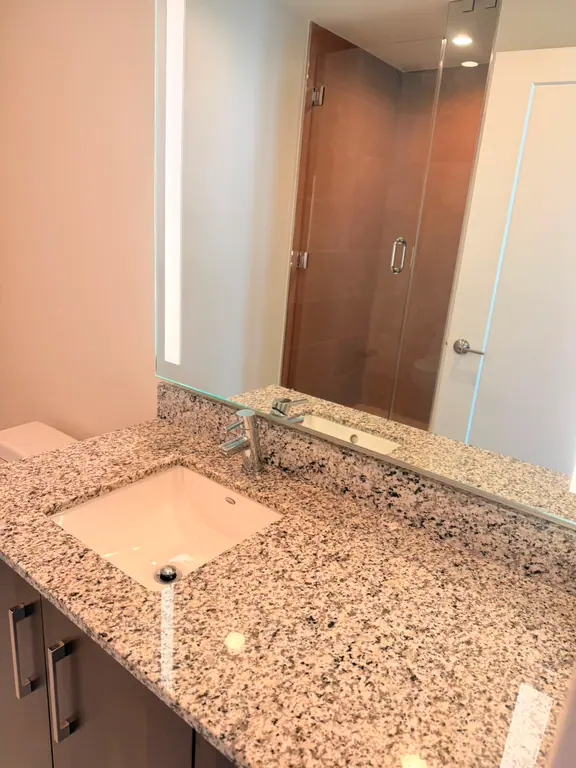
A Coral Gables homeowner finishes a full day managing a Wynwood office, picks up the kids, and then faces the same choice: spend the evening scrubbing bathrooms and mopping floors, or accept that the house will wait another week. A Miami Beach host faces a similar problem between guests, only the missed grout, dusty ceiling fan, or streaked mirror can affect the next review. The question is not just whether a cleaning service costs money. It is what the mess costs when nobody has the time, equipment, or consistency to handle it properly.
Professional cleaning makes the most sense when you treat it as an operational decision. Cleaner indoor environments can support productivity and reduce health-related absenteeism, while specialized methods can remove dust and allergens that ordinary tidying leaves behind. The right service can also protect turnover schedules, reduce household stress, and keep commercial spaces ready for employees, visitors, tenants, or guests.
Table of Contents
- The Real Cost of Cleaning Your Own Home
- Four Core Benefits of Hiring a Professional Cleaner
- How Professional Cleaning Protects Your Health
- The ROI of Outsourcing Cleaning for Homes and Businesses
- Why DIY Cleaning Falls Short for Busy Households
- How to Choose the Right Cleaning Service in Miami-Dade
- Matching the Right Service to Your Situation
- Common Questions Before You Book
The Real Cost of Cleaning Your Own Home
DIY cleaning looks inexpensive because the invoice is invisible. The expense appears elsewhere, in lost evenings, delayed maintenance, extra supplies, inconsistent results, and the weekend you can't recover.
Take a large coastal property in Coral Gables. After a humid week, dust settles on baseboards, sand enters through the doors, fingerprints build up on glass, and the bathrooms need more than a quick wipe. A homeowner may spend several separate sessions chasing individual tasks, then discover that the kitchen floor is clean while the ceiling fans, grout, and areas beneath furniture remain untouched.
The supplied infographic illustrates the opportunity-cost model many households overlook. Its example assigns 9 weekly hours to vacuuming, mopping, bathrooms, kitchen work, dusting, laundry, and linens, then models an opportunity cost of $45 per hour, or $410 per week and $21,320 per year. Those figures are scenario values for decision-making, not a universal Miami-Dade household calculation.
Audit the costs you usually ignore
A realistic household audit should include:
- Time: Add the hours spent cleaning, shopping for products, washing cloths, and resetting the home after each task.
- Supplies: Count recurring detergents, disinfectants, microfiber cloths, mop heads, bags, filters, and specialty products.
- Equipment: Account for vacuum replacement, attachments, steam equipment, and storage space.
- Surface wear: The wrong chemical or abrasive pad can damage stone, finished wood, grout, stainless steel, or coated fixtures.
- Schedule disruption: Travel, illness, storms, school events, and Miami's packed calendar can turn routine cleaning into a backlog.
- Health-related costs: Poor indoor air quality and allergen buildup can make a home less comfortable and contribute to missed work or school.
The engine cleaning cost guide offers a useful parallel. Vehicle owners often compare the price of a specialized service with the cost of doing the job themselves, but the full calculation includes equipment, technique, time, and the risk of causing damage. Home cleaning follows the same logic.
Practical rule: If cleaning repeatedly consumes the time you need for work, family, property management, or recovery, it isn't free. It's an unpaid operating expense.
Post-storm cleanup makes that expense obvious. A weekend that should restore order becomes a bottleneck of dust, tracked-in debris, damp materials, and neglected chores. For short-term rental owners, a missed detail can create a guest complaint, a rushed re-clean, or a gap before the next arrival. Hiring a professional cleaner is often less about luxury than removing a recurring point of failure.
Four Core Benefits of Hiring a Professional Cleaner
The value of a professional cleaner comes from four connected outcomes: time, health, thoroughness, and reliability. Remove any one of them and the decision becomes a basic convenience purchase. Combine them and cleaning becomes part of how a household, office, or rental operation runs.
Time is the first return
A professional team can work through a Brickell two-bedroom while the resident handles a workday, errands, or family responsibilities. The important comparison isn't just the duration of the appointment. It's the difference between having a clean home in the background and losing an entire Saturday to a task that never feels finished.
For a property manager, faster cleaning supports faster readiness. For a host, it creates more room between checkout and the next arrival. For an office manager, a scheduled crew handles routine work without asking employees to absorb it.
Health depends on method
Routine wiping removes visible dirt. It doesn't necessarily remove settled allergens from carpets, upholstery, corners, or dust reservoirs. Research summarized in a carpet-cleaning review found that dry extraction removed up to 99% of allergens from carpet dust in more than 180 homes and schools, while broader research across 166 homes and 16 schools reported allergen removal from 75% to 99%. See the carpet and indoor-air-quality research review for the underlying evidence.
The result depends on the method, equipment, and surface. A casual vacuum pass isn't equivalent to controlled extraction, appropriate filtration, and deliberate attention to areas where dust accumulates.
Thoroughness protects presentation
Homeowners often clean what they can see first. Professionals work from a scope, which brings overlooked details into the routine, including baseboards, door frames, fixtures, ceiling fans, cabinet fronts, grout lines, and high-touch points.
That distinction matters in short-term rentals. Guests notice odor, residue, hair, streaks, and neglected edges quickly. A repeatable checklist gives a host a better chance of delivering the same standard after every departure.
Reliability removes the weak link
Self-cleaning depends on energy and availability. Recurring service depends on a schedule. That difference becomes significant during travel, illness, major events, school breaks, and busy work periods.
A recurring plan also creates accountability. The provider should define what the standard visit includes, what requires a deep clean, and how missed details are corrected. Professional cleaning isn't a single heroic reset. Its strongest value comes from making cleanliness predictable.
This short video provides a visual introduction to the role professional cleaning can play in maintaining a home or workplace:
How Professional Cleaning Protects Your Health
Miami-Dade homes deal with humidity, closed windows, air conditioning, pets, outdoor dust, and heavy foot traffic. Those conditions make indoor cleanliness a source-control problem, not just a visual one.
Dust, pollen, and other particles settle on floors, upholstery, bedding, ledges, and vents. A vacuum without effective filtration can move some fine material back into the room. The Consumer Product Safety Commission's guidance for health professionals emphasizes source control as the most effective indoor-air-quality strategy and explains that cleaning can temporarily re-suspend particles, which is why method and filtration matter. Its indoor air pollution guidance supports controlled cleaning rather than aggressive, careless disturbance.
What a sound protocol should do
A credible crew should be able to explain:
- How filtration is handled: Ask whether the vacuum uses HEPA filtration and how filters are maintained.
- How dust is controlled: Controlled passes, appropriate attachments, and careful sequencing reduce unnecessary re-suspension.
- How products are selected: The product should match the surface and the contamination concern.
- How long disinfectants remain wet: A disinfectant needs its stated contact time. Spray-and-wipe habits can leave the chemical on the surface without giving it enough time to work.
- How cross-contamination is prevented: Separate microfiber cloths or color-coded systems can keep bathroom materials away from kitchen surfaces.
- Which high-touch points are included: Door handles, light switches, remotes, faucet handles, counters, touchpads, and fixtures shouldn't disappear from the checklist.
The CDC recommends regular cleaning of high-touch surfaces and notes that frequency, thoroughness, product choice, and solution replacement must match the surface and contamination load. Its facility cleaning guidance also warns that contaminated solutions can transfer microorganisms from one surface to another.
Families managing asthma concerns, older residents in Aventura condos, pet owners, and shared offices all benefit from asking method-specific questions. A provider that can't explain filtration, product dwell time, cloth separation, and high-touch coverage is selling labor without giving you enough information to judge the result.
For a deeper explanation of the connection between cleaning practices and indoor conditions, review this guide to how house cleaning improves indoor air quality.
The ROI of Outsourcing Cleaning for Homes and Businesses
The ROI calculation starts with reclaimed time, then adds operational effects. A household can value hours according to the work, caregiving, rest, or family time those hours replace. A business can examine employee productivity, office presentation, tenant readiness, and the cost of interruptions.
The market backdrop supports this framing. Grand View Research projects the global cleaning services market to rise from USD 470.8 billion in 2026 to USD 770.8 billion by 2033, a projection that reflects structural demand drivers such as dual-income households, aging populations, hygiene awareness, and real-estate activity. The source is the cleaning services market analysis. The projection doesn't tell you what your service should cost, but it does reinforce that outsourcing is increasingly treated as a productivity choice.
Use a simple household formula
Calculate:
Monthly value of reclaimed time + avoided supply and equipment costs + avoided disruption cost = potential monthly value.
Then compare that value with the quoted service price. Don't assign a wage to every hour automatically. Use the value that makes sense for your household, whether that's billable work, childcare, rest, property administration, or time you would otherwise protect.
A property manager can use the same model for turnovers. Compare the cost of a professional reset with the value of a faster listing release, fewer callbacks, reduced rework, and less pressure on the next arrival. Keep the assumptions honest. A clean home doesn't guarantee more bookings, and a service doesn't eliminate every maintenance cost.
For offices, health-related disruption is a legitimate part of the calculation. The ISSA value-of-clean research, drawing on a University of California, Berkeley Institute for Research on Labor and Employment analysis, estimates that a 1 percentage point increase in sickness absenteeism can reduce productivity by as much as 0.66%. The same source cites the EPA estimate that 150 million workdays are missed each year because of poor indoor air quality and related health issues. Review the value-of-clean research for the cited evidence.
A business shouldn't promise that cleaning will prevent every absence. It should recognize that indoor conditions affect operational continuity and decide whether a consistent cleaning program belongs in the operating budget. For a practical pricing reference, compare your scope with the house cleaning prices guide, then calculate your own time and disruption value instead of copying someone else's assumptions.
Why DIY Cleaning Falls Short for Busy Households
Weekend cleaning fails for structural reasons, not because homeowners are lazy. A two-parent household in Miami-Dade may have school runs, commutes, sports, errands, and family obligations competing for the same limited block of time. The result is usually a maintenance pass, not a reset.
The first limit is throughput. A homeowner may vacuum the visible floor and wipe the counters, but skip the area beneath appliances, ceiling fans, baseboards, grout lines, vents, and cabinet edges. Each skipped detail becomes part of the next cleaning cycle.
The second is equipment. Consumer tools can handle everyday debris, but many don't provide the sealed filtration, extraction power, attachments, or specialized chemicals that professional crews use for fine dust, buildup, and difficult surfaces. The equipment gap matters in coastal homes where tracked-in particles, pets, and humidity keep surfaces under pressure.
The third is inconsistency. A home may receive a strong clean before guests arrive, then receive almost no attention during travel, illness, or a demanding work stretch. That uneven pattern creates more work later.
The real comparison isn't effort versus laziness. It's throughput versus outcome.
Professional work also has boundaries. A regular cleaner isn't a substitute for mold remediation, sewage cleanup, fire restoration, or other hazardous work. If a property presents a serious contamination risk, consult a specialist such as expert biohazard cleanup Phoenix for the appropriate type of response.
DIY still has a place. Daily pickup, quick spills, dishes, and light surface maintenance are sensible household tasks. But if you expect a weekend scrub to produce the same repeatability as a defined professional scope, you're comparing two different systems.
How to Choose the Right Cleaning Service in Miami-Dade
Start with accountability, not the lowest quote. Ask who will enter the property, how the company handles supervision, what insurance it carries, and what happens if something is damaged or a scheduled visit fails.
Verify the provider before the first visit
Use this checklist:
- Confirm business details: Ask for the legal business name, contact information, service terms, and any registrations or local requirements that apply to the operation.
- Request proof of insurance: A reputable provider should explain its coverage and provide a certificate when requested.
- Ask about personnel: Find out whether staff are vetted, background-checked, trained, and supervised.
- Clarify worker classification: W-2 employees and independent contractors can involve different accountability and insurance arrangements. The provider should explain its model clearly.
- Review the scope: Get rooms, surfaces, exclusions, add-ons, arrival windows, and correction procedures in writing.
- Ask about supplies: Families with pets, children, allergies, or sensitive finishes need product information before the crew arrives.
Green cleaning requires the same skepticism as any other service claim. “Eco-friendly” is not a complete standard. Ask whether products carry recognized certifications such as EPA Safer Choice or Green Seal, how the team handles ventilation, and whether the process actually reduces exposure to harsh ingredients without sacrificing appropriate sanitation.
Red flags deserve a hard no
Avoid providers that refuse certificates of insurance, demand cash-only arrangements without proper documentation, won't define the scope, or give a suspiciously low price while promising every possible add-on. A cheap quote can become expensive after rework, damage, missed deadlines, or unclear responsibility.
Property managers should ask about multi-unit scheduling, key control, photo documentation, emergency response, and communication after each visit. A residential client may need a recurring home service, while a landlord may need move-out coordination and inspection readiness.
Canes Cleaners is one Miami-Dade option offering residential service, defined checklists, online booking, non-toxic products, and cleaning for homes, apartments, offices, rentals, boats, and student spaces. Compare those features with other providers through a specific residential cleaning service scope, not through branding alone.
Matching the Right Service to Your Situation
The right package depends on the failure you need to prevent. Don't buy a deep clean when you need recurring maintenance, and don't book a light visit when construction dust, tenant turnover, or accumulated buildup requires a reset.
| Situation | Practical fit | Confirm before booking |
|---|---|---|
| Busy Brickell professional | Weekly or biweekly maintenance | Kitchens, bathrooms, floors, bedrooms, living areas, and priority surfaces |
| Pre-sale or post-renovation home | Deep or post-construction cleaning | Fine dust removal, residue, fixtures, cabinets, windows, and debris handling |
| Miami Beach short-term rental | Turnover cleaning after each departure | Linens, bathrooms, kitchen reset, high-touch surfaces, staging, and issue reporting |
| Move-in or move-out | A defined moving clean | Inside cabinets, appliances, closets, floors, bathrooms, and inspection priorities |
| Doral or downtown office | Recurring commercial cleaning | Desks, touchpoints, restrooms, break areas, floors, trash, and access procedures |
Base packages should be clear. A standard visit generally covers routine rooms and surfaces. Inside ovens, refrigerators, interior cabinets, heavy buildup, blinds, walls, and detailed windows may be additions or part of a separate deep-clean scope.
A post-construction reset deserves special treatment because fine residue settles repeatedly after the first pass. A turnover clean needs speed and repeatability. A move-out clean needs completeness. A recurring office contract needs dependable attendance and communication.
Best buying decision: Match the service to the operational risk, then choose frequency based on how quickly that risk returns.
Ask whether the same company can support different stages without changing the standard every time. A homeowner may need weekly maintenance now, a move-out clean later, and post-renovation work after that. A property manager may need a reliable turnover team plus occasional deep resets. The provider should be able to document the difference between those services.
Common Questions Before You Book
How often should a home be cleaned?
Choose the frequency based on occupancy, pets, cooking, traffic, allergies, and how quickly visible buildup returns. Weekly service suits homes that need steady control. Biweekly cleaning is a reasonable compromise for many budget-conscious households if residents handle light upkeep between visits.
What does a standard package include?
Expect defined work in kitchens, bathrooms, bedrooms, living areas, floors, and common touchpoints. Don't assume inside appliances, heavy grout work, interior windows, blinds, or post-construction residue are included. Ask for the checklist before approving the appointment.
Is green or non-toxic cleaning worth considering?
It can make sense for homes with children, pets, sensitive occupants, or ventilation concerns. The label alone isn't enough. Ask about product ingredients, recognized certifications, surface compatibility, and whether the crew uses a process that controls particles and prevents cross-contamination.
Do I need a contract?
Not necessarily. Ask about cancellation terms, rescheduling, arrival windows, lockout policies, satisfaction corrections, and whether recurring service can be paused during travel. Reputable providers should put the important terms in writing.
Treat the first appointment as a structured trial. Evaluate the completed scope, communication, punctuality, product handling, and correction process. The goal isn't a one-time impressive clean. It's a long-term fit that removes a recurring household or property-management burden.
Canes Cleaners provides scheduled and on-demand cleaning across Miami-Dade, including standard, deep, move-in/move-out, post-construction, office, short-term rental, student, and boat services. Review the scope that fits your property and book through Canes Cleaners to replace unpredictable cleaning backlogs with a defined, accountable service.