
A silent intruder that can compromise both the structural integrity and aesthetic appeal of wooden surfaces, mold poses a significant threat to the health of your home. Its presence not only undermines the natural beauty of wood but also creates an environment conducive to allergens and respiratory issues. In this comprehensive guide on how to clean mold off wood, we will delve into the importance of promptly addressing mold on wooden surfaces and unveil a strategic cleaning process to reclaim the pristine condition of your cherished wood items. Beyond a mere cosmetic concern, the eradication of mold is crucial for ensuring a healthy living environment. As we navigate through the steps of this cleaning process, we will shed light on the significance of each action, providing insights into both prevention and restoration. Let’s embark on a journey to not only eliminate mold but to safeguard the longevity and vitality of your treasured wooden possessions.
Wooden Elegance Renewed: A Step-by-Step Guide to Clean Mold off Wood
Wood surfaces, although timeless and elegant, are susceptible to the unwelcome intrusion of mold. In this step-by-step guide on how to clean mold off wood, we’ll navigate through a meticulous process designed to not only eliminate mold but also restore the natural beauty of your wooden possessions. The key lies in understanding the importance of addressing mold promptly, not just for aesthetics but also for maintaining a healthy living environment. Begin by gathering protective gear and the necessary cleaning supplies, including white vinegar, hydrogen peroxide, and baking soda. Ventilate the space, test your cleaning solution, and then proceed to scrub the affected areas, applying strategic measures for stubborn mold stains. Rinsing and drying are critical steps to prevent mold recurrence. Explore preventative measures to address the root cause of moisture, ensuring a long-lasting, mold-free elegance for your wooden surfaces.
Step 1. Gather Supplies
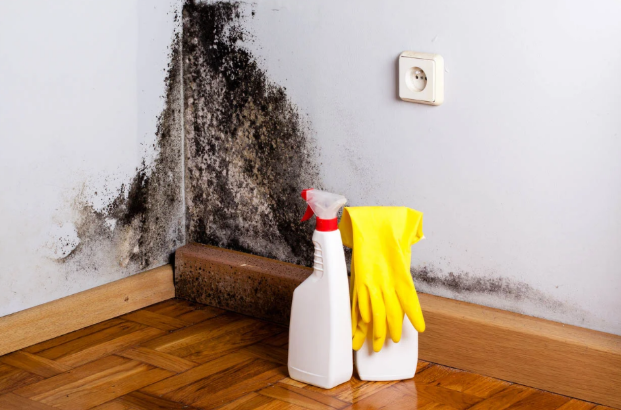
Addressing mold on wood requires the right set of tools and cleaning agents.
Before diving into the cleaning process, gather the following supplies to ensure an effective and safe removal:
- Protective Gear (Mask, Gloves): Mold removal involves exposure to potentially harmful spores. Protect yourself by wearing a mask to prevent inhalation of airborne particles and gloves to shield your hands from direct contact with the cleaning agents.
- Scrub Brush or Sponge: A scrub brush with firm bristles or a sponge is essential for physically removing mold from the wood surface. Choose a tool that suits the size of the affected area and allows for effective scrubbing without causing damage to the wood.
- White Vinegar: White vinegar is a natural and effective mold-killing agent. Its acidic properties not only eradicate mold but also inhibit its future growth. Vinegar is a mild and eco-friendly solution suitable for various wood surfaces.
- Hydrogen Peroxide: Hydrogen peroxide is another potent mold cleaner that works particularly well on porous surfaces. It not only eliminates mold but also helps to lighten any residual stains. Ensure you use a standard 3% hydrogen peroxide solution.
- Baking Soda: Baking soda, a versatile and mild abrasive, is excellent for scrubbing away mold stains on wood. Its deodorizing properties also help eliminate any musty odors associated with mold growth.
- Clean, Dry Cloth: A clean, dry cloth is crucial for wiping away excess cleaning solution and moisture from the wood surface. This step is vital in preventing the recurrence of mold due to lingering dampness.
Step 2. Preparation and Caution Before Cleaning Mold off Wood
Before delving into the meticulous process of cleaning mold off wood, it’s crucial to prepare the environment and test the surface.
- Ventilate the space by opening windows and doors to ensure proper air circulation. Adequate ventilation helps disperse airborne mold spores and minimizes exposure.
- Additionally, remove any items obstructing the affected area, providing clear access for the cleaning process.
- Test the chosen cleaning solution. Begin by applying a small amount of the solution in an inconspicuous area. This test serves as a precautionary measure, allowing you to check for any adverse reactions such as discoloration or damage.
By conducting this test, you can proceed confidently, ensuring that the cleaning process will effectively eliminate mold without compromising the integrity of the wood.
Step 3. Clean the Mold off Wood
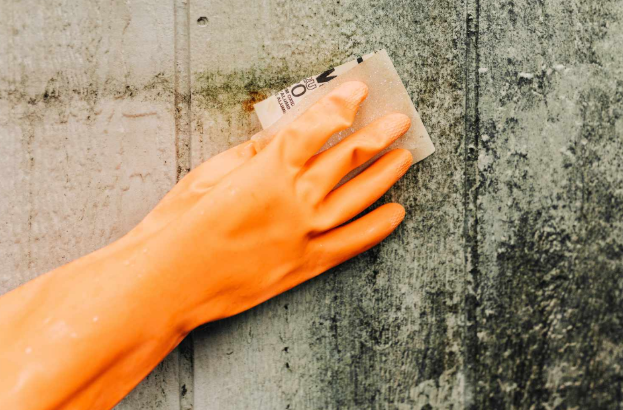
As we venture into the cleaning procedure, these carefully outlined steps aim to guide you through the process of cleaning mold off wood. This approach ensures a comprehensive and efficient treatment, offering a practical solution for reclaiming the natural beauty of your cherished wood items.
- Scrub the Affected Area with a Brush or Sponge: Begin the cleaning process by physically removing mold from the wood surface. Utilize a scrub brush or sponge with firm bristles to scrub the affected area. This action helps dislodge and lift the mold from the wood.
- Apply White Vinegar or Hydrogen Peroxide for Stubborn Mold: For stubborn mold stains, apply white vinegar or hydrogen peroxide directly to the affected areas. These natural cleaning agents have potent mold-killing properties. Allow the solution to sit for a brief period to ensure thorough penetration, aiding in the removal of persistent mold.
- Sprinkle Baking Soda on Persistent Stains: Sprinkle baking soda directly onto the stains and use a brush or sponge to scrub the area. This step not only contributes to the removal of stains but also helps neutralize any remaining odors associated with mold growth.
- Repeat the Process if Necessary: Evaluate the results after the initial cleaning steps. If any mold remnants persist, repeat the cleaning process until the desired cleanliness is achieved.
Step 4. Rinse and Dry
As we proceed in the journey of reclaiming wood surfaces from the grasp of mold, thorough rinsing and drying stand as crucial steps in the restoration process. After applying effective cleaning solutions, it becomes imperative to eliminate any residue and moisture to prevent the recurrence of mold.
- Wipe Away Excess Solution with a Damp Cloth: Utilize a damp cloth to gently remove traces of the cleaning solution from the wood surface. This not only aids in the removal of any remaining mold particles but also ensures that no cleaning agents are left behind, preventing any potential damage to the wood.
- Rinse the Wood Surface with Clean Water: Following the removal of excess cleaning solution, the wood surface should be thoroughly rinsed with clean water. This step is vital to eliminate any lingering traces of the cleaning agents. Use a separate damp cloth or sponge for rinsing, ensuring that all areas are adequately washed.
- Ensure the Wood is Thoroughly Dried: The final step in the rinsing and drying process is ensuring that the wood is thoroughly dried. Use a clean, dry cloth to wipe down the wood surface, paying special attention to any crevices or joints where moisture may linger. Allow the wood to air dry completely before restoring any items or furniture to the treated area.
This meticulous drying process is the key to a successful mold removal endeavor, preserving the integrity of your wooden surfaces for the long term.
Preventative Measures
Mold prevention is as crucial as the cleaning process itself. Implementing preventative measures ensures that your wood surfaces remain mold-free in the long run. Here are detailed steps:
- Addressing the Root Cause of Moisture:
To prevent mold, it’s essential to identify and address the root cause of moisture. Mold thrives in damp environments, so inspect your home for leaks, water seepage, or inadequate ventilation. Repair any leaks promptly, improve ventilation in areas prone to dampness, and consider using dehumidifiers in spaces with high humidity. By tackling the source of moisture, you create an inhospitable environment for mold growth.
- Regularly Inspecting and Cleaning Wood Surfaces:
Regular inspections and cleaning routines are proactive measures in preventing mold on wood surfaces. Routinely check wooded areas for any signs of water damage, discoloration, or the musty odor characteristic of mold. Promptly address any issues you detect, and incorporate regular cleaning into your maintenance routine. Regular dusting and cleaning not only keep surfaces free of potential mold food sources but also allow you to spot and address early signs of mold growth.
- Using Mold-Resistant Sealants on Wood, if Applicable:
For added protection, consider using mold-resistant sealants on wood surfaces, especially in areas prone to moisture exposure. These sealants create a protective barrier, inhibiting mold growth. Apply the sealant according to the manufacturer’s instructions, paying extra attention to joints, crevices, and areas susceptible to water contact. Mold-resistant sealants are particularly beneficial in bathrooms, kitchens, or outdoor wooden structures exposed to the elements.
Implementing these preventative measures not only preserves the aesthetic appeal of your wood but also safeguards against the persistent threat of mold, ensuring a healthier and mold-free living environment.
Canes Cleaners: Your Trusted Solution for Clean Homes in Miami
Canes Cleaners, a professional home cleaning service in Miami, stands out as a reliable ally in the battle against mold-infested wood. In the humid climate of Miami, where mold growth is a common concern, the expertise of Canes Cleaners becomes indispensable. Beyond the aesthetic concerns, mold on wood surfaces can pose health risks and compromise the structural integrity of your home. Canes Cleaners employs skilled professionals equipped with the right tools and environmentally friendly cleaning agents to ensure a thorough removal of mold, not only restoring the visual appeal of your home but also fostering a healthier living environment. With their attention to detail and commitment to quality, Canes Cleaners is your go-to partner for maintaining a mold-free and pristine home in the vibrant city of Miami.
Conclusion
The comprehensive process on how to clean mold off wood encompasses vital steps aimed at both restoring the aesthetic allure of wooden surfaces and ensuring a healthy living environment. As we’ve navigated through protective measures, meticulous cleaning, and preventative actions, it becomes evident that prompt and thorough cleaning is not just about aesthetics—it is a fundamental element of maintaining a home’s overall health. The importance of addressing the root cause of moisture, regular inspections, and the application of preventive sealants cannot be overstated. By diligently following these steps, you not only eradicate mold but also create a shield against its return, promoting a living space that is both visually pleasing and conducive to the well-being of its occupants. Embracing these key steps ensures that your wooden possessions stand resilient against the persistent threat of mold, promising a healthier and mold-free living environment for years to come.