
Maintaining a clean and efficient kitchen drain is paramount to the overall hygiene and functionality of your kitchen. A pristine kitchen drain not only contributes to a pleasant cooking environment but also plays a crucial role in preventing a myriad of common problems that can arise from neglect. Firstly, the significance of a clean kitchen drain cannot be overstated. Beyond just the avoidance of unpleasant odors, it is vital for inhibiting bacterial growth and ensuring a safe and healthy food preparation area. Secondly, neglecting the cleanliness of your kitchen drain can lead to a host of issues, such as persistent clogs, foul odors permeating the space, and even the potential for water damage. In this comprehensive guide, we will explore the essential steps on how to clean your kitchen drain, addressing both the importance of regular maintenance and the consequences of allowing it to fall into disarray. By understanding these aspects, you can embark on a journey to not only maintain a pristine kitchen but also extend the longevity of your plumbing system.
Step by Step Procedure to Clean Kitchen Drain
Embarking on the journey of maintaining a clean and smoothly functioning kitchen drain is a fundamental step towards fostering a healthy and enjoyable cooking space. Over time, kitchen drains can accumulate debris, grease, and other residues, leading to issues like clogs and foul odors. In this step-by-step guide to clean the kitchen drain, we will walk through a comprehensive procedure to clean your kitchen drain effectively. By following these clear and straightforward steps, you can not only address existing concerns but also establish a regular maintenance routine that ensures the ongoing vitality of your kitchen plumbing. From simple yet effective home remedies to preventive measures, each step is designed to empower you with the knowledge and skills needed to keep your kitchen drain in optimal condition. So, let’s delve into the systematic process of revitalizing your kitchen drain and reclaim the heart of your culinary space.
Step 1. Gathering Supplies
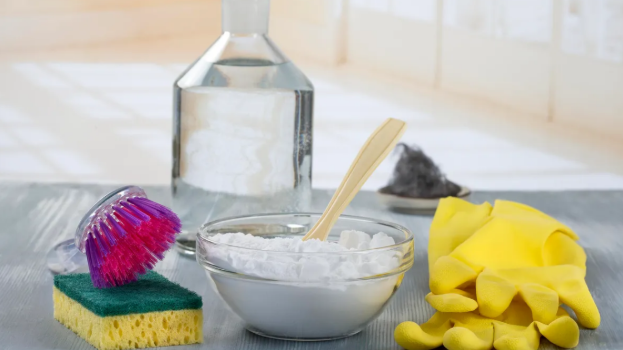
Before delving into the task of unclogging a drain, it’s essential to gather the right supplies. Each item plays a specific role in ensuring an effective and safe unclogging process.
- Rubber Gloves: They protect your hands from any debris or potentially unsanitary conditions while working on the clogged drain. Safety is paramount, and wearing rubber gloves provides a barrier between your skin and the substances you might encounter during the unclogging process.
- Plunger: A plunger is a versatile tool for dislodging blockages in sinks, tubs, or toilets. By creating a vacuum and exerting pressure, a plunger can help break up and push through clogs. It’s a fundamental tool for addressing common drain blockages, making it a must-have in your unclogging arsenal.
- Baking Soda: It also works as an effective deodorizer. When combined with other ingredients, such as vinegar, baking soda can create a bubbling reaction that helps dislodge and break apart clogs.
- Vinegar: When combined with baking soda, it creates a chemical reaction that can help break down blockages. Its acidic nature is particularly useful in dissolving mineral deposits and other buildups within the drain.
- Boiling Water: Boiling water is a simple yet powerful tool for breaking down certain types of clogs, especially those caused by grease or soap scum. The hot water helps liquefy these substances, allowing them to flow more easily through the pipes. It’s a preliminary step that can complement other unclogging methods.
- Pipe Brush or Plumber’s Snake: For more stubborn clogs deeper within the pipes, a pipe brush or plumber’s snake becomes invaluable. These tools can reach areas that a plunger might not, allowing you to physically dislodge or pull out blockages.
- Mild Dish Soap: Mild dish soap serves a dual purpose. It can act as a lubricant for the plumber’s snake or pipe brush, making it easier to navigate through the pipes.
By gathering these supplies, you equip yourself with a comprehensive toolkit to address a range of drain blockages. Whether it’s a simple clog near the surface or a more complex issue further down the pipes, having these items on hand ensures you’re prepared to tackle the task effectively and safely.
-
Clearing the sink of dishes and debris:
Clearing the sink of dishes and debris is an essential preliminary step in maintaining a clean and organized kitchen space. This process involves removing any dirty dishes, utensils, or other items that may be present in the sink. Additionally, clearing away debris such as leftover food particles, soap scum, or any non-essential items is crucial.
Step 2. Basic Maintenance
Maintaining the proper functioning of kitchen drains is essential for preventing clogs and ensuring a smoothly operating plumbing system. Two fundamental steps in basic maintenance include regular flushing with hot water and the use of a drain strainer to catch large particles.
-
Regular Flushing with Hot Water
Regularly flushing kitchen drains with hot water is a simple yet effective method to prevent the accumulation of debris and grease. Hot water helps dissolve and wash away grease and soap residues, keeping the pipes clear and minimizing the risk of blockages. This maintenance practice is particularly beneficial for preventing the buildup of substances that can lead to foul odors and plumbing issues.
-
Using a Drain Strainer to Catch Large Particles
The use of a drain strainer serves as a proactive measure to catch large particles before they enter the drainage system. These strainers, often made of mesh or perforated materials, trap food scraps, debris, and other solid materials, preventing them from entering the pipes. By regularly emptying the strainer and disposing of the collected particles, you reduce the chances of blockages and extend the life of your plumbing system.
This simple and cost-effective tool is an excellent addition to any kitchen sink to promote efficient drainage and minimize the need for extensive plumbing repairs.
Step 3. Unclogging the Drain
When faced with a clogged kitchen drain, prompt action is crucial to prevent further issues and restore proper drainage. A systematic approach to unclogging the drain is primarily utilizing a plunger.
- To effectively use a plunger, start by ensuring a tight seal between the plunger and the drain opening.
- Fill the sink with enough water to cover the plunger’s cup, creating a vacuum seal. Place the plunger over the drain and apply firm, rhythmic pressure.
- Push down and then pull up in a brisk motion, maintaining the seal. This action helps dislodge and break apart the clog. Repeat the plunging motion several times to enhance the effectiveness of the process.
- Stubborn blockages may require additional effort to completely clear the drain. Ensure the plunger maintains a tight seal with each attempt and adjust the force and frequency as needed.
By employing the proper technique and being persistent in the plunging process, you can often resolve minor to moderate drain clogs efficiently. However, if the issue persists despite multiple attempts, it may be advisable to explore alternative methods or seek professional assistance to address more complex plumbing issues.
Step 4. Clean the Kitchen Drain
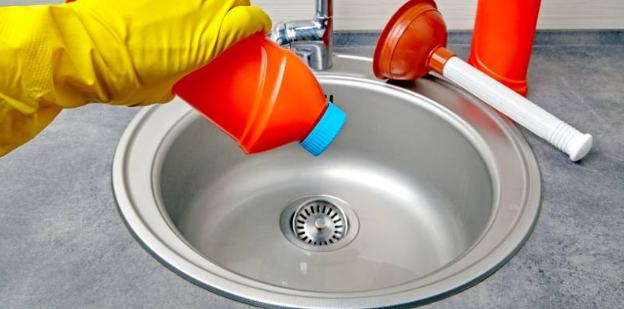
Maintaining a clean and smoothly functioning kitchen drain is crucial for a hygienic and efficient kitchen. While daily maintenance helps, occasional deep cleaning becomes necessary. Here’s a detailed guide on various methods to clean your kitchen drain, addressing different types of clogs and buildups.
One effective and eco-friendly approach to unclog your kitchen drain involves using baking soda and vinegar to create a foaming reaction.
- Pouring Baking Soda Down the Drain: Start by pouring a generous amount of baking soda down the drain. Baking soda acts as a mild abrasive that can help break down residues and odors.
- Adding Vinegar to Create a Foaming Reaction: Follow the baking soda with white vinegar to create a fizzing reaction. This reaction helps dislodge debris and break down grease that may be causing the clog.
- Allowing it to Sit, Then Flushing with Hot Water: Let the mixture sit for about 15 minutes to allow the foaming action to work on the clog. Finish by flushing the drain with hot water to wash away the loosened debris.
- Using a Pipe Brush or Plumber’s Snake: For more deep cleaning, a physical approach using a pipe brush or plumber’s snake can be effective. Carefully insert the pipe brush or plumber’s snake into the drain and maneuver it to break up and dislodge clogs. Slowly rotate or push the tool while applying gentle pressure, taking care not to damage the pipes.
- Chemical Drain Cleaners (As a Last Resort): In extreme cases, chemical drain cleaners can be considered, but caution and adherence to proper usage guidelines are crucial.
Chemical drain cleaners contain strong ingredients, and their use should be a last resort. Follow the manufacturer’s guidelines carefully, use protective gear, and ensure proper ventilation. Exercise caution to prevent damage to pipes and potential harm to the user.
By incorpzrating these methods, you can keep your kitchen drain free from clogs and functioning smoothly. Remember to prioritize eco-friendly and non-toxic options before resorting to harsh chemicals.
Preventative Measures
Preventative measures are essential in maintaining a smoothly fnctioning kitchen drainage system. By proactively addressing potential issues, you can avoid the inconvenience and costs associated with drain clogs. Here are key preventative measures:
-
Avoiding Pouring Grease Down the Drain
One of the primary culprits for kitchen drain clogs is the improper disposal of grease. Avoid pouring grease down the drain, as it can solidify and cause blockages over time. Instead, collect grease in a separate container and dispose of it in the trash.
-
Regularly Cleaning the Drain and Disposal
Regular cleaning of the kitchen drain and garbage disposal helps prevent the accumulation of debris and potential clogs. Incorporate routine maintenance into your schedule to ensure a clean and hygienic environment.
-
Using Enzymatic Drain Cleaners
Enzymatic drain cleaners are biological products designed to break down organic matter in drains. Using these cleaners as part of your preventative measures can help keep your drains clear and minimize the risk of clogs. Enzymatic cleaners are often environmentally friendly and safe for regular use.
-
Installing a Lint Trap or Drain Strainer
Installing a lint trap or drain strainer is a simple yet effective way to prevent large particles and debris from entering the drain. These devices catch food scraps, hair, and other materials, reducing the likelihood of clogs and promoting smooth drainage.
-
Maintenance Schedule
Establishing a regular maintenance schedule is crucial for keeping your kitchen drainage system in optimal condition. Consistent upkeep can prevent issues before they arise and extend the lifespan of your plumbing. Here’s how to create an effective maintenance schedule:
Set a specific schedule for cleaning your kitchen drain, considering factors like usage frequency and the types of food preparation activities in your kitchen. Whether it’s a weekly or monthly routine, sticking to a schedule ensures proactive maintenance.
-
Incorporating Preventative Measures into Daily Habits
Integrate preventative measures into your daily habits to make maintenance an automatic part of your kitchen routine. For example, dispose of grease properly after every cooking session, run cold water while using the disposal, and be mindful of what goes down the drain. Consistency in these habits can significantly reduce the risk of drainage issues.
Importance of Professional Cleaners for Kitchen Maintenance
Maintaining a clean and hygienic kitchen is not only essential for the overall well-being of occupants but also crucial for the proper functioning of kitchen appliances, particularly the drainage system. While regular cleaning routines are imperative, there are certain aspects that require professional attention to ensure a thorough and effective cleaning process.
-
Expertise and Efficiency:
Professional cleaners bring expertise to the table, knowing the nuances of kitchen cleaning that might be overlooked in regular routines. They are equipped with the right tools, knowledge, and cleaning agents to efficiently tackle stubborn stains, grease build-up, and hidden corners that may be breeding grounds for bacteria.
-
Deep Cleaning for Optimal Performance:
Kitchens, with their constant use, are prone to accumulating layers of grime and residues, especially in hard-to-reach areas and drainage systems. Professional cleaners offer deep cleaning services that go beyond surface-level cleanliness. This not only enhances the aesthetic appeal of the kitchen but also ensures the optimal performance and longevity of appliances, including the kitchen drain.
-
Preventing Health Hazards:
A clean kitchen is a key component of a healthy living environment. Neglected drains and unclean kitchen surfaces can become breeding grounds for harmful bacteria and mold, posing health risks to occupants. Professional cleaners employ thorough sanitation methods, reducing the chances of food contamination and promoting a healthier living space.
-
Convenience and Time-Saving:
Hiring professional cleaners not only ensures a comprehensive cleaning job but also saves valuable time for homeowners. Kitchen deep cleaning, including the drain, can be a time-consuming task. Professional cleaners efficiently manage the process, allowing homeowners to focus on other priorities without compromising the cleanliness of their living spaces.
-
Hire Canes Cleaners in Miami for Kitchen Deep Cleaning:
When it comes to professional kitchen deep cleaning in Miami, Canes Cleaners stands out as a reliable and experienced service provider. With a team of skilled professionals, Canes Cleaners brings unparalleled expertise to every cleaning project. Their commitment to quality ensures a thorough and efficient cleaning process, leaving your kitchen and drain in pristine condition. Don’t compromise on the cleanliness and health of your home—choose Canes Cleaners for a comprehensive and hassle-free kitchen deep cleaning experience.
Conclusion
Maintaining a clean and efficiently functioning kitchen drain is integral to a healthy and hygienic home environment. By following key steps such as avoiding grease buildup, using natural cleaning methods like baking soda and vinegar, and incorporating preventative measures like regular cleaning and the use of drain strainers, homeowners can ensure the longevity and optimal performance of their kitchen drains. Emphasizing the importance of regular maintenance is crucial, as proactive measures can prevent costly and inconvenient drain clogs. Consistent efforts, such as those outlined in this guide on how to clean a kitchen drain, contribute to a smoothly operating drainage system and promote a clean and sanitary kitchen. Regular attention to these practices not only prevents issues but also enhances the overall cleanliness and functionality of one of the most crucial spaces in any home.