
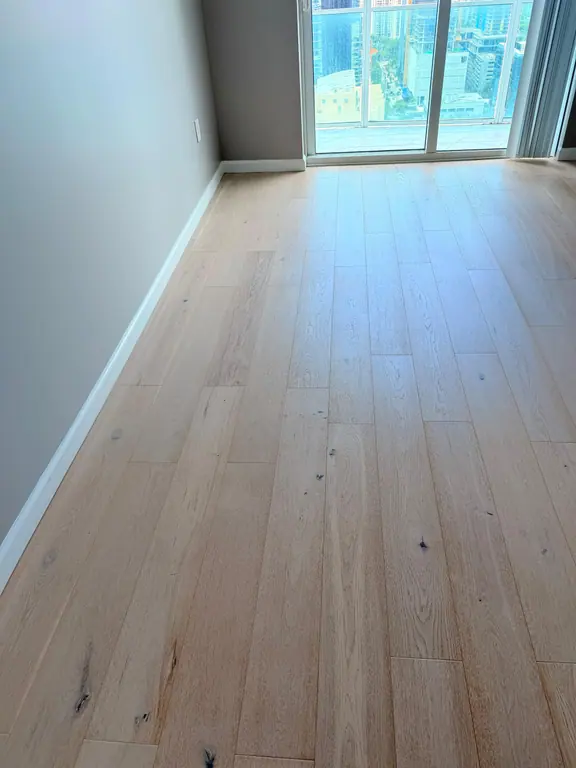
You're staring at a sink with hard-water spots, a fridge that needs emptying, and baseboards that have somehow collected a whole season of dust. That's exactly when a room-by-room apartment deep cleaning checklist pays off, because it turns a big, vague job into a sequence you can complete. The safest way to work is the same logic used in major apartment and move-in guides, kitchen and bathroom high-touch zones first, hidden edges and tight spaces next, floors last, and surface-specific care where damage is a risk, especially on wood and mixed finishes (University of Wyoming apartment cleaning checklist, surface-safe apartment deep clean guidance).
If you're resetting a rental, prepping for move-out, or trying to get ahead of Miami humidity, this guide keeps the work practical. It mixes a printable room-by-room order with eco-friendly product choices, stubborn-grime tactics, timing cues, and clear signs that it's smarter to book Canes Cleaners' 36-point or 48-point service instead of doing it all yourself. For faster reference, start with the kitchen and bathroom, then move through trim, soft surfaces, glass, ventilation, laundry, and post-construction dust if the space has recently been renovated.
Table of Contents
- 1. Kitchen Deep Clean – Appliances & Interior Surfaces
- 2. Bathroom Deep Clean – Fixtures, Grout & Tile
- 3. Baseboards, Walls & Trim Deep Clean
- 4. Carpet & Upholstered Surfaces Deep Clean
- 5. Window, Glass & Mirror Deep Clean
- 6. Ceiling, Lighting & Ventilation Deep Clean
- 7. Laundry Room & Appliance Deep Clean
- 8. Post-Construction Dust Remediation & Debris Removal
- 8-Area Apartment Deep-Cleaning Comparison
- Your Deep Clean Action Plan
1. Kitchen Deep Clean – Appliances & Interior Surfaces
Start with the kitchen because grease and food residue build fast, and they're the least forgiving when you're trying to make a rental look reset. A real kitchen deep clean means cabinet fronts and interiors, drawers, the fridge and freezer, the microwave, the oven, the stovetop, the sink, the faucet, backsplash, counters, and the floor, plus the hidden strip behind and under appliances that routine cleaning misses. That room-based structure matches apartment and move-in guidance from the University of Wyoming's checklist, which also puts floors last so dust doesn't land on already-cleaned surfaces (University of Wyoming apartment cleaning checklist).
Practical kitchen order that saves time
Empty the fridge first, then wipe shelves and bins before moving to the oven and stovetop. If you clean the microwave and oven before the fridge, you'll usually end up re-touching surfaces that get hit by crumbs, drips, or stacked items later.
Practical rule: Use food-safe, non-toxic cleaners on food-prep areas, then rinse or wipe with clean water so you're not leaving residue where meals will go.
For stainless steel, a dedicated method matters because streaks show every mistake. If the appliance faces get cloudy fast, follow a stainless-specific routine like Canes Cleaners' guide on how to clean stainless steel appliances and use a microfiber cloth instead of paper towels, which tend to leave lint.
A strong eco-friendly kit is simple. Use white vinegar, baking soda, dish soap, microfiber cloths, a soft scrub brush, and a non-abrasive sponge. For stubborn baked-on grease, let cleaner sit before wiping, then finish with a dry cloth so moisture doesn't linger around handles and control panels.
For occupied apartments, kitchen deep cleans make the most sense on a quarterly rhythm. Short-term rentals need them more often because the turnover window is tighter and guest expectations are less forgiving. If you're managing a move-out, photo-document the fridge interior, oven racks, and sink before and after, since those are the spots landlords and guests notice first.
2. Bathroom Deep Clean – Fixtures, Grout & Tile
Bathrooms are where moisture, soap scum, and mineral buildup stack up fastest, so they need a more aggressive approach than standard tidying. A true bathroom deep clean hits the toilet, shower, tub, grout, mirror, vanity, floors, faucets, and showerhead, plus the exhaust fan if you want humidity under control. That target list lines up with apartment checklists that focus on toilets, showers, grout, sinks, and floors as high-touch hygiene zones (University of Wyoming apartment cleaning checklist, apartment checklist coverage of hidden contamination zones).
A bathroom in good shape still benefits from a squeegee after showers. In humid apartments, that one habit slows down soap scum and water spotting, which means your next deep clean won't need as much scrubbing. If you're dealing with heavy buildup, a toilet bowl brush, vinegar, and a mild scrub paste can help, but avoid mixing random chemicals just because a surface looks dirty.
Where stubborn buildup hides
Soap scum usually settles on glass, tile edges, and fixture bases. Hard-water deposits cling to showerheads and faucet aerators, and grout lines trap grime where a normal wipe won't reach. For these jobs, let cleaner sit before scrubbing, because dwell time does more work than elbow grease alone.
The detailed timing guidance in one apartment deep-cleaning guide is useful here. It recommends letting bathroom cleaner or a vinegar-and-dish-soap mix sit for 10 to 15 minutes before scrubbing soap scum and hard-water deposits, and another guide suggests soaking a showerhead in vinegar for 30 minutes to loosen mineral buildup (Alpha Lux apartment deep-cleaning checklist).
For the eco-friendly side, stick with vinegar, baking soda, castile soap, microfiber, and a grout brush. On tile and sealed surfaces, those tools are usually enough. On wood vanities or finishes that don't like water, keep moisture controlled and dry the area immediately.
If the bathroom smells musty, the exhaust fan is part of the problem. That's a strong signal to book a deeper service instead of only wiping visible surfaces, because hidden humidity is what keeps mildew coming back.
3. Baseboards, Walls & Trim Deep Clean
Baseboards are one of the easiest places to miss and one of the first places a landlord or guest notices. They collect dust, pet hair, and floor grime, and they make an apartment look tired even when the rest of the space is fine. A proper trim clean means baseboards, door frames, wall scuffs, light switch plates, and visible trim, not just a quick pass with a vacuum wand.
Why trim work changes the whole room
White baseboards show streaks fast, so microfiber beats rough cloths every time. If the apartment has been occupied for months, start by dusting high edges and working down toward the trim, because loose dust will fall as you move through the room.
The practical trade-off is simple. You can wipe visible baseboards in minutes, or you can do a real detail pass that removes the line of grime hiding near the floor. If you're preparing for move-in, that detail pass also gives you a better baseline for future spot checks.
Best practice: Test wall-safe cleaner on a hidden patch first, especially on painted walls, because finish compatibility matters more than speed.
For pet-friendly rentals, baseboards deserve extra attention. Hair and dander cling there, and odors can settle into the same low areas that routine cleaning skips. In those units, a vacuum with a brush attachment is worth using before any wet wipe, so you're not smearing debris around.
Eco-friendly products work well here too. A bucket with warm water, a few drops of mild dish soap, and microfiber cloths usually handles most trim. For scuff marks, use a gentle sponge and light pressure rather than aggressive scrubbing, which can dull paint.
This is also one of the best places to call for a professional deep clean if you're short on time. Canes Cleaners' how to clean baseboards guide aligns with the fact that trim work is detail-heavy, and detail-heavy work is where move-out inspections often get picky.
4. Carpet & Upholstered Surfaces Deep Clean
Carpet and upholstery hold onto what hard floors can't, like embedded dirt, pet odors, and old spills. Hot-water extraction is the standard professional move because it reaches into fibers and padding instead of just freshening the surface. The practical difference shows up in occupied apartments, where a quick vacuum helps, but a real extraction pass is what resets the room.
What to tackle first on soft surfaces
Vacuum thoroughly before any wet treatment. That step matters because loose grit can turn into mud during extraction, and mud is harder to lift than dry debris. Upholstered furniture, area rugs, and curtains also need attention, but only with fiber-safe methods that match the material.
If there's a pet accident, treat it fast with an enzymatic cleaner. Old odors are harder to remove and usually need professional extraction instead of a home spray-and-blot routine. That's one of the clearest cases where “cheap and fast” becomes more expensive later, because the smell can linger in padding and seams.
The apartment deep-cleaning guide from Alpha Lux also notes a useful detail, vacuuming upholstered furniture, cleaning closets and drawers inside and out, and using attachments to reach corners and spaces under beds and couches (Alpha Lux apartment deep-cleaning checklist). Those are good reminders that soft-surface cleaning is a full-zone job, not just a carpet pass.
For timing, dry weather is your friend. Humid rooms dry slowly, and slow drying can create a mildew problem after cleaning if airflow is poor. If you're in a coastal apartment or a place with constant humidity, a professional visit is often safer than trying to dry thick carpet with only open windows.
A good eco-minded setup includes a HEPA or high-quality vacuum, an enzymatic spot cleaner, a carpet-safe mild detergent, and a fan for airflow. If the carpet smells stale even after a thorough vacuum, that's a sign it needs more than surface refreshment.
5. Window, Glass & Mirror Deep Clean
Clean glass changes the feel of an apartment faster than almost any other task. Windows, shower enclosures, mirrors, and glass doors all make a space look brighter when they're streak-free, and they make it look neglected when they're not. A deep-clean pass should include the panes, frames, sills, tracks, and any hard-water buildup that distorts the finish.
A squeegee usually beats a spray bottle in direct sun because the product won't flash-dry as quickly. That matters in warm apartments with a lot of light, where streaks appear almost instantly if you work too slowly. For mirrors, a microfiber cloth and a light spray of vinegar-water or glass cleaner usually do the job without leaving lint behind.
Glass details that people notice
Window tracks are a hidden problem in humid places. They collect dirt, grime, and mold faster than the glass itself, so a toothbrush or narrow detail brush earns its keep here. If you're cleaning a shower enclosure, handle the edges and seals too, because those corners trap residue that can make a clean panel look dingy.
For ocean-facing or coastal apartments, salt spray adds another layer of film. That's one reason glass can look dull even after a regular wipe. If the view matters for rentals or staging, a professional pass pays off because the clarity difference is visible immediately.
Clean the frame, sill, and track before you polish the pane. If you reverse that order, dust from the edges settles right back onto the glass.
A useful timing habit is to clean windows on a cloudy day when possible. The cooler surface gives you more working time and reduces streaking. If you're handling a high-rise unit, confirm that the crew has the right safety equipment and access plan before any exterior work begins.
If mirror haze or water spots keep returning, the issue is often ventilation and moisture management, not the glass itself. That's when pairing glass cleaning with fan checks makes more sense than repeating the same wipe-down over and over.
6. Ceiling, Lighting & Ventilation Deep Clean
Ceilings and vents are easy to ignore because they don't look dirty until light hits them at the wrong angle. Yet dust, spider webs, and fan debris can make the entire apartment feel less clean, even when the counters and floors are in decent shape. A real deep clean includes ceiling fans, light fixtures, exhaust fans, HVAC vents, and the visible ceiling surface itself.
The hidden air-pathway reset
This is one of the highest-value tasks in dense housing because dust doesn't stay where it lands. It moves through fan blades, vents, and returns, then settles again on surfaces you just cleaned. The apartment checklist research from George's Designs specifically calls out vents, ceiling fans, mattress vacuuming, under-furniture dust, and appliance maintenance as less visible contamination sources (George's Designs apartment cleaning checklist).
Use a microfiber duster with an extendable handle for fan blades and ceiling corners. For light fixtures, turn off the power first and clean the outer surfaces with a dry or barely damp cloth, depending on the fixture material. Popcorn ceilings need a gentler touch, so don't scrub them aggressively unless you know the finish can handle it.
For Miami-style humidity, exhaust fan cleaning matters more than looks. A clogged fan can't move moisture well, and moisture is what encourages mildew in bathrooms and kitchens. If you're deep cleaning on a schedule, monthly vent attention in occupied apartments is a smart maintenance habit, especially in humid or mold-prone units.
Practical rule: Clean the fan blades and vent covers before you wipe the furniture below them, or you'll drop fresh dust onto a finished room.
A small but useful eco-friendly kit includes a microfiber duster, a vacuum with brush attachment, and a soft brush for vent covers. If you're spotting staining around vents or ceilings, treat that as a warning sign, not a cleaning chore, because it can point to condensation or water intrusion.
7. Laundry Room & Appliance Deep Clean
Laundry rooms get overlooked because they don't feel public, but they're workhorse spaces that collect lint, detergent residue, and moisture. Washing machines can grow musty, dryer vents can clog, and both problems make the apartment less efficient and less safe. A proper laundry-room deep clean covers the machine interiors, hoses or seals where visible, dryer vent access, shelving, walls, and the floor.
Safety comes first in this room
Dryer vent cleaning deserves its own attention because lint buildup is a real hazard. The safer approach is to treat vent inspection and cleaning as a separate line item, not a quick add-on to a general wipe-down. If the dryer takes longer than it should, or if clothes come out damp more often, that's a sign the vent path needs a closer look.
For washing machines, the rubber seal is usually where odors hide. In humid apartments, a monthly vinegar rinse between professional services can help limit buildup, but it won't replace a true interior cleaning if mold or residue is already present. Keep the door cracked open after cycles if the model allows it, because trapped moisture is what feeds the smell.
A move-in photo set is worth doing here. Capture the washer drum, dryer lint trap, and any visible vent or shelf condition before the next tenant takes over, since utility spaces are easy to dispute later.
Canes Cleaners includes laundry-room work in its 36-point deep cleans, and that's the right kind of scope for apartments that rely on in-unit laundry. If the room has shelves or surrounding walls with detergent splash, wipe those too, because residue on nearby surfaces is often the first sign that the machine area needs more than a casual reset.
For an eco-friendly approach, use white vinegar sparingly, mild detergent, microfiber cloths, and a vacuum attachment for lint. If the vent line is packed or the drum smells persist after cleaning, book professional service rather than masking the problem with fragrance.
8. Post-Construction Dust Remediation & Debris Removal
Construction dust behaves differently from normal household dust. It gets into vents, settles on horizontal and vertical surfaces, and hides in places you wouldn't think to check until the sun exposes it. That's why renovation cleanup needs its own phase, not just a regular apartment tidy.
Why renovation dust is a different job
A real post-construction clean starts after the trades are done and final inspections are complete. First comes debris removal, then thorough dusting, then surface cleaning, then floors, glass, and fixtures. ServiceMaster Clean's post-construction checklist describes a multi-phase process, rough clean, light clean, and final clean, and it also calls out HEPA-filter vacuuming to reduce airborne particles (ServiceMaster Clean post-construction checklist).
That sequence matters because construction dust is stubborn and fine. If you mop before you vacuum, you can turn residue into paste. If you wipe before you dust, you'll just move the powder around. HEPA vacuuming is the right first move for particles that keep recirculating.
The practical scope should include inside cabinets, closet shelves, window sills, trim, bathrooms, kitchen surfaces, and glass, because renovation dust gets into every seam. If any hazardous debris may be involved, such as lead paint or asbestos, that's not a DIY situation, and separate handling rules apply.
For apartment owners, the smartest move is to coordinate with the contractor before scheduling the clean. You want all major work done, all coverings removed, and all access points open. That keeps the cleaning crew from chasing fresh dust or blocked areas.
Canes Cleaners offers dedicated post-construction service for Miami properties undergoing renovations, which is the right call when the job has moved beyond ordinary apartment maintenance. If you're facing cabinet dust, HVAC residue, or a full reset after a remodel, specialized cleaning is usually faster and safer than trying to piece it together yourself.
8-Area Apartment Deep-Cleaning Comparison
| Service | Implementation Complexity 🔄 | Resource Requirements ⚡ | Expected Outcomes ⭐ 📊 | Ideal Use Cases 💡 | Key Advantages ⭐ |
|---|---|---|---|---|---|
| Kitchen Deep Clean – Appliances & Interior Surfaces | High 🔄, multi-step, appliance access/disassembly | High ⚡, degreasers, steamers, appliance tools; 2–3 hrs | ⭐📊 Restaurant-quality sanitation; removes grease and hidden bacteria; extends appliance life | 💡 Short-term rental turnovers, move-in/move-out, health compliance | ⭐ Eliminates deep grease/bacteria; high visual impact; preventative maintenance |
| Bathroom Deep Clean – Fixtures, Grout & Tile | Medium–High 🔄, grout/acid treatments, descaling | Medium ⚡, scrubbing tools, acid-safe cleaners, mold inhibitors; 1.5–2.5 hrs | ⭐📊 Mold/mildew prevention; disinfected fixtures; restored tile/grout appearance | 💡 Humid climates, rental turnovers, move-outs, mold-prone bathrooms | ⭐ Prevents mold; improves hygiene; required for inspections |
| Baseboards, Walls & Trim Deep Clean | Medium 🔄, manual, whole-unit detailing | Medium ⚡, microfiber, paint-safe cleaners; 1–2 hrs | ⭐📊 Noticeably improved overall appearance; reduced allergens; better inspection outcomes | 💡 Move-in/move-out, staging, guest-ready apartments | ⭐ High ROI on appearance; reduces allergen load; improves inspection pass rates |
| Carpet & Upholstered Surfaces Deep Clean | Medium–High 🔄, equipment operation, stain protocols | High ⚡, hot-water extraction, stain enzymes, drying time 4–8 hrs | ⭐📊 Allergen and odor removal; restored carpet/furniture appearance; extends life | 💡 Move-out, pet-occupied rentals, annual maintenance or between guests | ⭐ Removes embedded allergens/odors; cost-saving vs replacement; improves air quality |
| Window, Glass & Mirror Deep Clean | Medium 🔄, access- and weather-dependent; high-rise limits | Medium ⚡, squeegees, hard-water treatments; 1–2 hrs | ⭐📊 Brighter interiors; improved curb appeal; prevents hard-water etching | 💡 Property showings, guest photos, ocean-view/sea-spray locations | ⭐ Immediate visual impact; enhances natural light and perceived cleanliness |
| Ceiling, Lighting & Ventilation Deep Clean | Medium 🔄, ladders/equipment, dust control | Medium ⚡, ladders/HEPA vacuums, microfiber; 1–1.5 hrs | ⭐📊 Reduced allergens; improved airflow and fixture performance; cleaner ceiling appearance | 💡 Allergy-sensitive units, move-in inspections, humid climates | ⭐ Removes hidden allergens; improves ventilation efficiency and lighting aesthetics |
| Laundry Room & Appliance Deep Clean | Medium 🔄, vent extraction and appliance interior care | Medium–High ⚡, vent tools, appliance-safe cleaners; 1.5–2 hrs | ⭐📊 Reduced fire risk; eliminated washer odors; improved appliance efficiency | 💡 Move-outs, safety inspections, in-unit laundry for rentals | ⭐ Critical safety (dryer vents); odor/mold prevention; lowers utility costs |
| Post-Construction Dust Remediation & Debris Removal | Very High 🔄, specialized protocols, hazardous material risk | Very High ⚡, industrial vacuums, PPE, HVAC cleaning, 3–8 hrs | ⭐📊 Occupancy-ready environment; removes fine particulates; protects HVAC and tenant health; compliance docs | 💡 After renovations/remodels before occupancy or guest arrivals | ⭐ Essential for safety/compliance; prevents equipment damage and respiratory hazards |
Your Deep Clean Action Plan
Print this apartment deep cleaning checklist and treat it like a room-by-room reset plan, not a vague weekend project. Start with the kitchen and bathroom, because those rooms carry the most visible grime and the most meaningful hygiene risks. Then move through trim, soft surfaces, glass, ventilation, laundry, and any post-construction dust that's been left behind after repairs or remodeling.
Use eco-friendly basics that work. Microfiber cloths, vinegar, baking soda, mild dish soap, a soft scrub brush, a grout brush, a squeegee, and a vacuum with attachments will cover a surprising amount of ground without leaving heavy residue on food-contact or high-touch surfaces. On delicate finishes, use the gentlest tool that gets the job done, because surface damage costs more than slow cleaning.
A practical schedule keeps the workload realistic. Kitchen and bathroom deep cleans belong on a quarterly rhythm for occupied apartments, while short-term rentals often need more frequent resets because guest turnover changes the pace. Baseboards, vents, and glass can be rotated through the month so the whole place stays ahead of buildup instead of falling behind all at once.
Know when to stop doing it yourself. If the apartment has heavy soap scum, musty laundry smells, dirty vents, renovation dust, or trim and appliance detail work that's eating your whole day, the job is no longer a simple clean. That's the point where Canes Cleaners' 36-point or 48-point service makes sense, especially for move-in, move-out, student turnover, or guest-ready apartments that need a reliable finish.
Print the list, choose your rooms, and set the date before the grime gets another week ahead of you. If you want the apartment reset without losing your weekend, book Canes Cleaners online and let a trained crew handle the deep detail work.
A CTA for Canes Cleaners.